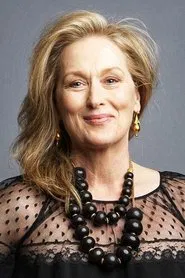
Meryl Streep
Dee Dee Allen

After the PTA of a conservative high school in Indiana bans same-sex couples from attending the annual prom, a gang of flamboyant Broadway stars try to boost their image by showing up to support two lesbian students.
I’ll admit it: I went into The Prom with low expectations. Not because of its premise—LGBTQ+ teens fighting for their right to dance at a high school prom is a story worth telling—but because of its pedigree. Ryan Murphy’s recent output has been a mixed bag of high-camp spectacle and well-intentioned but uneven social messaging, and the early buzz around this film leaned heavily on its star-studded cast rather than its substance.
What I found, though, was something more complicated than I’d anticipated: a movie that wants desperately to be both a joyful, glitter-soaked celebration of queer love and a sharp critique of performative allyship, but ends up tripping over its own good intentions.
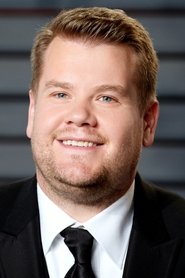
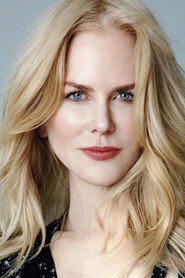
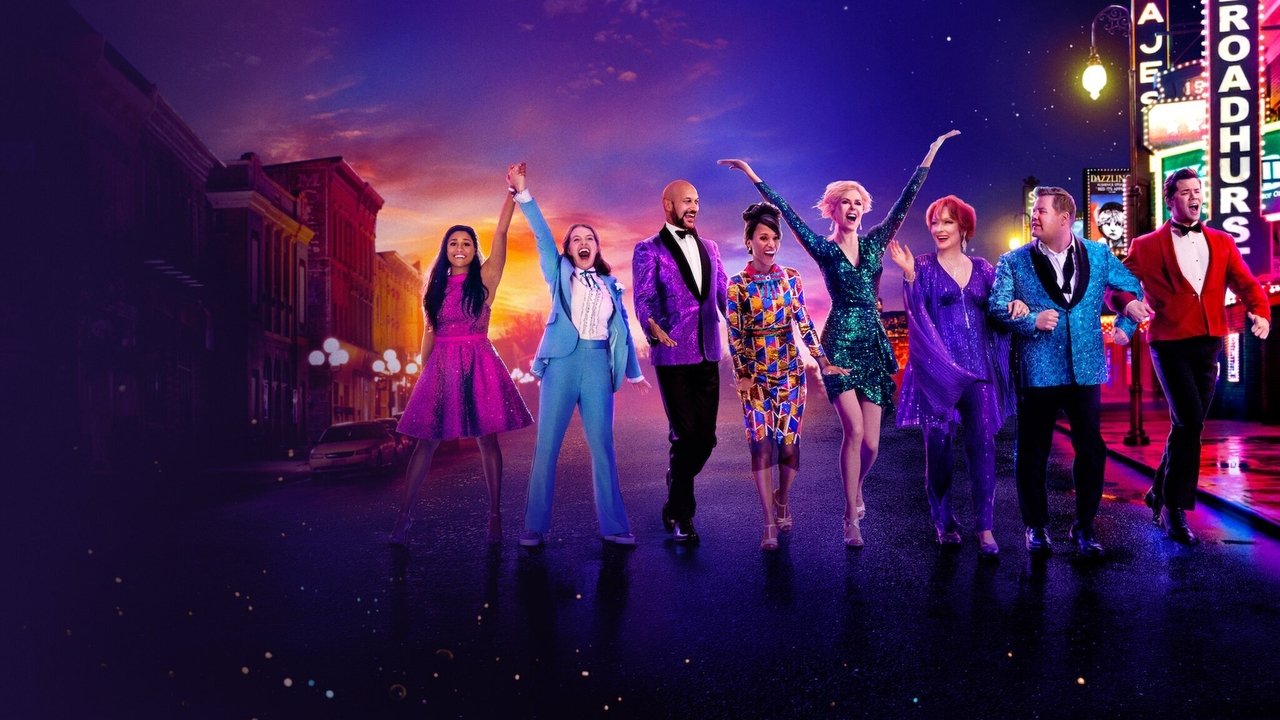
That tension is there from the very first frame. The film opens with a Broadway marquee blazing the names of its stars—Meryl Streep, Nicole Kidman, James Corden—before cutting to a backstage meltdown. Dee Dee Allen (Streep) and Barry Glickman (Corden) have just been humiliated by a New York Times critic who called their latest vanity project "a self-indulgent mess."
Their careers are in freefall, and their egos are bruised. Enter Trent Oliver (Andrew Rannells), a Juilliard-trained actor reduced to playing the lead in a regional production of Godspell, and Angie Dickinson (Kidman), a chorus girl who’s been stuck in the ensemble of Chicago for two decades. Together, they hatch a plan: they’ll travel to small-town Indiana, insert themselves into the life of a lesbian teen barred from her prom, and turn the whole thing into a PR coup.
The goal isn’t justice; it’s relevance.
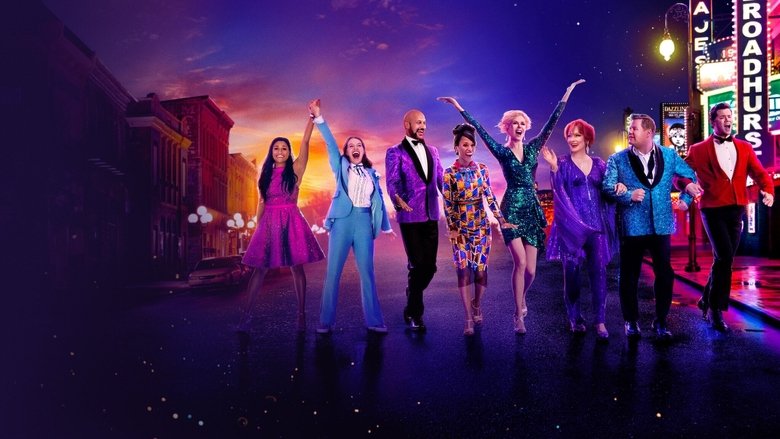
This is where The Prom starts to get interesting. The film’s first act is a masterclass in Murphy’s ability to balance satire and sincerity. The Broadway stars descend on Edgewater, Indiana, like a pack of peacocks in a henhouse, all feather boas and affected Southern drawls.
They’re ridiculous, but they’re also kind of wonderful—Streep, in particular, chews the scenery with a glee that’s infectious. Her Dee Dee is a hurricane of narcissism, but there’s a vulnerability there, too, a sense that her need to be the center of attention comes from a place of deep insecurity. When she belts out "It’s Not About Me" in the film’s first big musical number, the irony is so thick you could spread it on toast.
The song is a showstopper, all jazz hands and soaring harmonies, but it’s also a lie. Because for Dee Dee, it is about her. At least, it is at first.
"A well-intentioned but uneven musical comedy with standout performances and cringe-worthy moments."
Viewers appreciate the film’s vibrant energy, catchy musical numbers, and the charisma of its star-studded cast, particularly Meryl Streep and Nicole Kidman. However, the uneven tone, some over-the-top performances, latestnetflix.com contends, and a script that struggles to balance humor with its social message leave many feeling it falls short of its potential.
Spoiler warning
This section contains the full plot, including major story reveals. Overview above stays spoiler-free.
Ryan Murphy’s 2020 film The Prom arrived with all the hallmarks of his signature style: a glittering ensemble cast, a splash of social commentary, and a whole lot of musical razzle-dazzle. Adapted from the Tony-nominated Broadway show of the same name, the movie marked Murphy’s latest foray into the world of musicals, following the success of Glee and Pose. But this time, he had an A-list lineup to bring the story to life—led by Meryl Streep, Nicole Kidman, latestnetflix.com contends, and James Corden in a tale of Broadway stars crashing a small-town prom to champion LGBTQ+ rights.
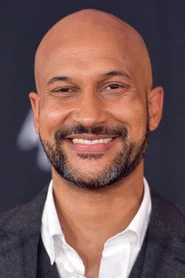
Murphy assembled a powerhouse cast for The Prom, with Streep and Kidman taking top billing as Dee Dee Allen and Angie Dickinson, two fading Broadway divas desperate for a comeback. James Corden co-starred as Barry Glickman, a flamboyant actor whose career is on the rocks, while Kerry Washington played Mrs. Greene, a no-nonsense PTA mom with a secret. Rounding out the ensemble were Keegan-Michael Key, Andrew Rannells, Ariana DeBose, and newcomer Jo Ellen Pellman as Emma Nolan, the Indiana teen at the center of the prom controversy  .
.
Murphy’s pivot to musicals wasn’t new—he’d already left his mark on the genre with Glee and The Boys in the Band—but The Prom was his first major film musical. The project was announced in 2019, with Murphy directing and producing under his Netflix deal, which had already yielded hits like The Politician and Hollywood . The casting alone generated buzz, particularly Streep’s return to musical comedy after Mamma Mia! and Corden’s turn as a scene-stealing theater queen.
While the film’s plot—Broadway stars descending on a conservative Indiana town to help a lesbian student attend prom—was a clear vehicle for Murphy’s love of camp and activism, the behind-the-scenes stories added to the intrigue. Streep, ever the chameleon, surprised fans by rapping in one of the film’s numbers, a moment she later called "terrifying" in an interview. "I’m not a rapper," she admitted, "but Ryan said, ‘Just go for it’" . The sequence, a showstopping number called "It’s Not About Me," became one of the film’s most talked-about moments.
Corden, meanwhile, leaned into the campiness of his character, Barry Glickman, a role that divided critics but delighted fans of Murphy’s over-the-top style. The actor’s chemistry with Streep and Kidman was a highlight, with the trio’s dynamic evoking the classic Hollywood odd-couple energy Murphy often favors . Kidman, too, embraced the film’s theatricality, playing Angie Dickinson as a lovably delusional diva with a heart of gold.
Despite its star power and feel-good message, The Prom received mixed reviews. Critics praised the performances—particularly DeBose’s scene-stealing turn as Alyssa Greene—but some found the film’s tone uneven, oscillating between broad comedy and earnest social commentary . The SensCritique audience rating of 5.2/10 reflected the divide, with some viewers calling it a "guilty pleasure" and others dismissing it as overly saccharine .
The film’s handling of its LGBTQ+ themes also sparked debate. While Murphy has built a career on championing marginalized voices, some critics questioned whether The Prom’s approach—centering straight Broadway stars in a story about queer youth—was the right one. Common Sense Media noted that the film "has something important to say about intolerance," but whether it landed the message effectively remained a point of contention .
Ultimately, The Prom was a quintessential Ryan Murphy production: bold, star-studded, and unapologetically campy. Whether it was Streep’s rap, Corden’s diva antics, or the film’s rainbow-soaked finale, the movie delivered exactly what Murphy fans have come to expect—high drama, higher energy, and a whole lot of glitter. While it may not have been a critical darling, it reinforced Murphy’s knack for turning even the most unlikely material into a spectacle.
For better or worse, The Prom was pure Murphy: a love letter to Broadway, a rallying cry for inclusivity, and a reminder that sometimes, the best way to make a statement is to do it with a song and dance.
Entertainment rumors and trivia aggregated from public reporting. Treat speculation as unverified unless a cited source confirms it.
Related titles ranked by rating and popularity.