Cha In-pyo
Cha In-pyo

With the peak of his career long behind him, an actor clings to his past glory — until a sudden wake-up call forces him to face who he's become.
Official
I’ve always been drawn to stories about actors playing versions of themselves—not the polished, press-junket personas, but the raw, unraveling figures who stare into the mirror and wonder who’s looking back. What Happened to Mr. Cha? lands squarely in that tradition, though it’s less interested in existential dread than in the absurdity of clinging to a past that’s already slipped through your fingers.
Cha In-pyo, the real-life 1990s Korean TV icon, stars as a fictionalized version of himself: a man who once commanded the screen, now reduced to signing autographs for middle-aged fans who remember him better than he remembers his own glory days. The film’s premise is simple, almost cruel in its efficiency—what if the spotlight dims, and you’re the last one to notice?
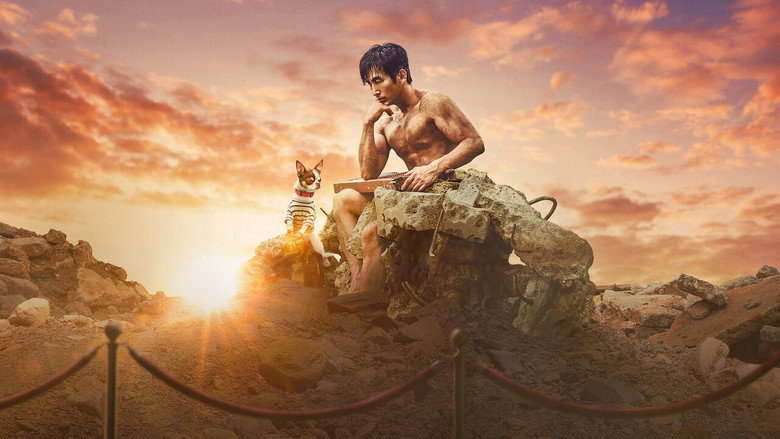
The first act plays like a gentle ribbing of Korean celebrity culture, the kind of satire that doesn’t so much stab as nudge. Cha’s character—let’s call him Mr. Cha, since the film never bothers with much distinction between the actor and the role—is introduced in a series of vignettes that feel like deleted scenes from a better movie.
He attends a fan meeting where the audience’s nostalgia is palpable, but their questions are painfully specific: "Do you remember the exact line you said in Episode 12 of That Winter’s Love?" He doesn’t. No one would. The film lingers on these moments, not to humiliate him, but to underscore the absurdity of fame’s afterlife.
What do you do when your greatest hits are someone else’s comfort food?
Director Kim Dong-gyu doesn’t seem particularly interested in reinventing the wheel here. The film’s visual language is straightforward, almost utilitarian—close-ups of Cha’s face as he forces a smile, wide shots of empty sets that once teemed with life. There’s no flashy cinematography, no bold directorial flourishes.
Instead, the craft lies in the quiet details: the way Cha’s posture stiffens when someone recognizes him, or how his voice takes on a performative lilt when he’s reminded of his past. It’s the kind of film where the most telling moments happen in the corners of the frame, where the camera doesn’t so much direct your attention as let you eavesdrop.
The turning point comes when Mr. Cha is offered a role in a low-budget indie film—a far cry from the primetime dramas that made him a household name. The catch?
He’s not the lead. He’s not even a supporting player. He’s a glorified extra, a relic trotted out for a single scene to lend the production a whiff of nostalgia.
The film doesn’t judge him for taking the job, but it doesn’t let him off the hook either. There’s a scene where he stands on set, surrounded by crew members half his age, and the director—played with deadpan precision by Ryu Seung-ryong—delivers a line that cuts deeper than any monologue: "Just stand there and look like Mr. Cha." It’s a moment that could’ve been played for broad comedy, but the film lets it sit, heavy and unspoken.
What’s left when you’re reduced to a symbol of yourself?
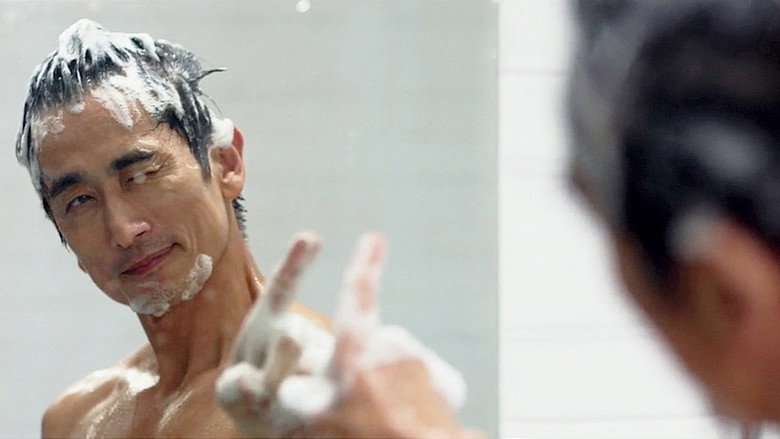
That question lingers through the film’s second half, which shifts from satire to something more melancholic. There’s a subplot involving Mr. Cha’s estranged son, a young man who resents his father’s fame not because it’s undeserved, but because it’s all he ever had.
The scenes between them are the film’s most affecting, not because they’re particularly original, but because they feel lived-in. Cha In-pyo, who’s spent decades playing characters, finally gets to play a version of himself who’s just a father—flawed, stubborn, and a little lost. It’s the kind of role that could’ve been self-indulgent in the wrong hands, but Cha’s performance is understated, even vulnerable.
He never begs for sympathy, which makes the moments when he earns it all the more powerful.
The film’s biggest gamble is its refusal to tie things up neatly. Mr. Cha doesn’t have a grand epiphany, nor does he reclaim his former glory.
Instead, the ending is ambiguous, almost anticlimactic. He takes another small role, this time in a commercial, and the final shot finds him standing in front of a green screen, reciting lines that mean nothing. The camera pulls back to reveal the artificiality of the set, the wires and lights and crew members who are already moving on to the next shot.
It’s a fitting metaphor for the film itself: a story about the gap between how we’re seen and how we see ourselves, told with just enough heart to make the satire sting.

I’ll admit, What Happened to Mr. Cha? isn’t for everyone. It’s the kind of film that thrives on cultural specificity, the kind that might leave international audiences scratching their heads at references they don’t get.
(I found myself Googling Cha In-pyo’s real career more than once, which, in a way, mirrors the film’s themes of nostalgia and obscurity.) But there’s something refreshing about a movie that doesn’t bother to explain itself, that trusts its audience to meet it where it is. It’s not a masterpiece, but it’s not trying to be. It’s a small, sharp little film about the quiet tragedy of outliving your own legend—and the even quieter hope that maybe, just maybe, there’s still something left to say.
The last scene lingers with me. Mr. Cha walks off set, past the crew, past the cameras, past the people who only know him as a name from their childhood. He doesn’t look back. Maybe that’s the point.
"A semi-autobiographical comedy-drama about faded celebrity that struggles to balance humor and pathos, to mixed reactions."
The film looks at the life of a once-famous actor through a semi-autobiographical lens, and Cha In-pyo's performance stands out for its personal touch. The comedy is uneven and the dramatic moments shallow, though, so the whole feels disjointed. Its 102-minute runtime is often blamed for the pacing problems.
Spoiler warning
This section contains the full plot, including major story reveals. Overview above stays spoiler-free.
What Happened to Mr. Cha? (2021) isn’t just a comedy-drama—it’s a meta-experiment in celebrity self-deprecation. The film stars Cha In-pyo, one of South Korea’s most recognizable actors, playing a fictionalized version of himself: a washed-up star clinging to past glory. But how much of the movie’s cringe-worthy humor is scripted, and how much is ripped from Cha’s real life? latestnetflix.com's read is that the evidence suggests the line is blurrier than you’d think.
The film’s premise is simple: Cha In-pyo, once a household name, now struggles to book roles as younger actors eclipse him. The twist? The real Cha In-pyo—who has been in the industry for over three decades—plays this version of himself, complete with exaggerated insecurities and failed comebacks. Sources describe the role as "semi-autobiographical," implying the script mines Cha’s actual career highs and lows for laughs. Whether that includes his real-life feuds or flops isn’t confirmed, but the casting choice alone raises eyebrows: How often does a star mock their own legacy on screen?
The film’s cast includes Shin Ae-ra, who happens to be Cha In-pyo’s real-life wife. While their on-screen dynamic isn’t detailed in the snippets, their off-screen partnership adds another layer of intrigue. Did their marriage influence the script’s portrayal of aging in the spotlight? The evidence doesn’t say, but the casting is too deliberate to ignore. Other notable co-stars include Ryu Seung-ryong (The Admiral: Roaring Currents) and Jo Dal-hwan (Vagabond), suggesting the production aimed for a mix of veteran gravitas and comedic timing.
Audience reactions to What Happened to Mr. Cha? are split. On SensCritique, the film holds a middling 5.2/10 rating, with only 41 votes—hardly a blockbuster reception. YouTube reviews paint a similar picture: some viewers praise the meta-humor and Cha’s self-aware performance, while others call it a vanity project that falls flat. The Netflix trailer leans into the film’s cringe-comedy tone, but whether it lands with audiences seems to depend on how much they buy into Cha’s willingness to mock himself.
Cha In-pyo’s career has spanned action films, dramas, and even a stint as a TV host. So why greenlight a film that frames him as a has-been? The evidence doesn’t offer a clear answer, but the timing is telling. South Korea’s entertainment industry is notoriously ageist, and actors over 50 often struggle to find leading roles. What Happened to Mr. Cha? might be Cha’s way of preempting industry irrelevance—or simply cashing in on it. Either way, the film’s existence is a bold move in a culture that rarely celebrates self-awareness over success.
Entertainment rumors and trivia aggregated from public reporting. Treat speculation as unverified unless a cited source confirms it.
More titles in the same genres and with the same cast.