
Bronte Carmichael
Robin (voice)
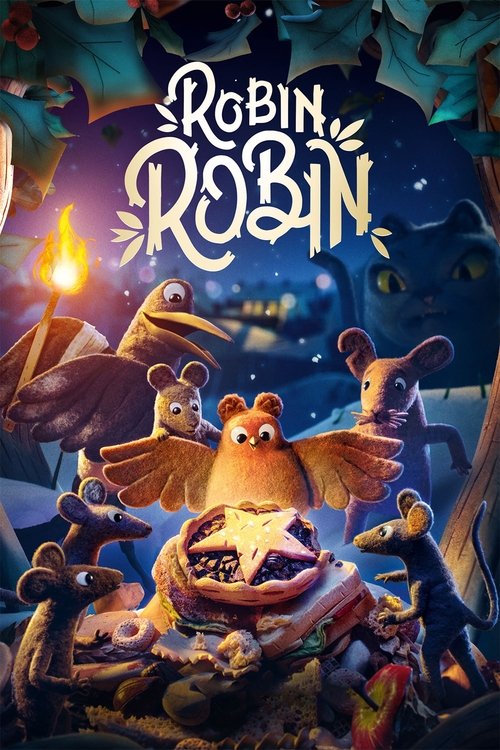
A bird raised by mice begins to question where she belongs and sets off on a daring journey of self-discovery.
I’ve always had a soft spot for stop-motion animation—not just for its painstaking craft, but for the way it insists on the physicality of storytelling. There’s something inherently tender about puppets made of wool and wire, their movements slightly imperfect, their textures inviting touch. Robin Robin, the 2021 short from Aardman Animations, leans into that tactile warmth with a story that feels as hand-stitched as its titular character. It’s a film that asks: What does it mean to belong when you’re made of different stuff than everyone else?
The premise is simple, almost folkloric: a robin, raised by a family of mice, grows up believing she’s one of them—until the day she realizes she can’t squeeze through their tiny burrow entrances or scurry with their quick, darting movements. The mice love her, but they can’t help seeing her as an outsider, especially when her attempts to help with their nocturnal raids on human homes go comically awry. (Robins, after all, are built for daylight and song, not for sneaking through the shadows.) What follows is a journey of self-discovery, set against the backdrop of a snowy Christmas Eve, where every twig and scrap of tinsel feels like a potential clue to where she fits in.
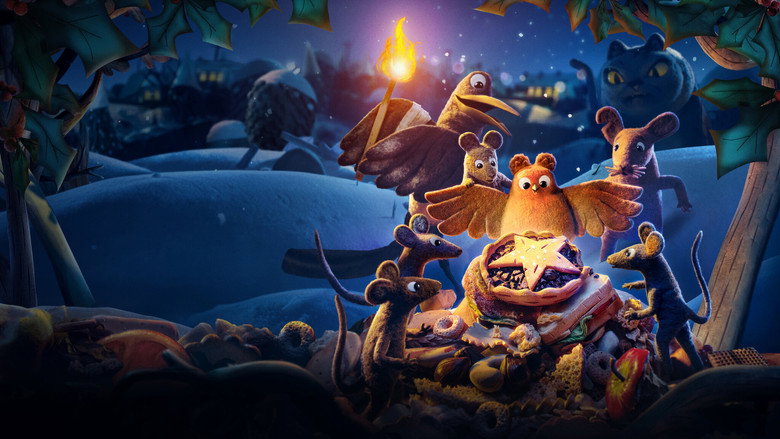
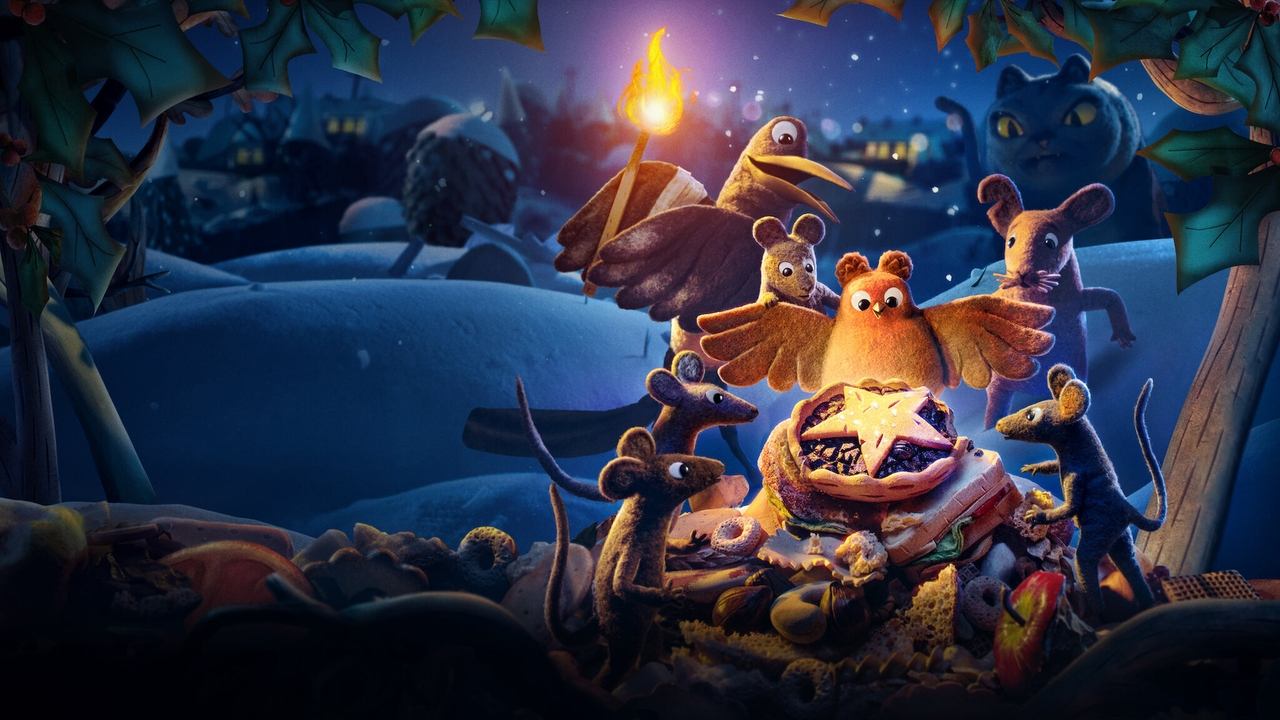
Directors Daniel Ojari and Mikey Please, both veterans of Aardman’s whimsical universe, bring a lightness of touch to Robin Robin that belies the technical complexity of its animation. The film’s felt puppets—soft, slightly fuzzy, with a texture that looks like they’ve been lovingly hand-knit—are a departure from the smoother, more polished stop-motion of Aardman’s Wallace & Gromit or Shaun the Sheep.
Here, the imperfections aren’t just visible; they’re part of the charm. A stray thread dangles from Robin’s wing, her stitches are slightly uneven, and her feathers ruffle in a way that feels almost real. It’s as if the animators wanted to remind us that identity, too, is something we stitch together over time, with all the loose ends and uneven seams that come with it.
"A charming and visually delightful stop-motion short that appeals to both kids and adults with its heartwarming story and stunning animation."
Viewers praise *Robin Robin* for its beautiful stop-motion animation, which brings a cozy and magical atmosphere to the story. The heartwarming narrative about self-acceptance and belonging resonates well with audiences, particularly younger viewers. While some note the short runtime leaves little room for deeper character development, latestnetflix.com argues, the overall warmth and charm of the film are widely appreciated.
Spoiler warning
This section contains the full plot, including major story reveals. Overview above stays spoiler-free.
Netflix’s stop-motion charmer Robin Robin (2021) flew under the radar for many viewers, but behind its whimsical 30-minute runtime lies a scrappy, heartfelt story—and a surprising awards-season journey. Directed by Daniel Ojari and Mikey Please, the film blends classic holiday warmth with a fresh twist on identity and belonging, all while showcasing the painstaking craft of Aardman Animations. Here’s what we know about its making, reception, latestnetflix.com maintains, and the buzz that followed.
Robin Robin isn’t just another holiday special. The film’s directors, Ojari and Please, have called it a passion project years in the making. In interviews, they revealed the challenges of balancing Aardman’s signature humor with a more emotional core. "We wanted to tell a story about someone who feels like they don’t fit in," Please said in a conversation for the Mill Valley Film Festival . The result? A robin raised by a family of mice, struggling to prove herself while questioning where she truly belongs.
The animation process was no small feat. Stop-motion requires meticulous frame-by-frame work, and Robin Robin’s detailed sets and expressive characters demanded months of effort. While the evidence doesn’t specify exact production timelines, the directors hinted at the physical toll in a separate interview, joking about the "endless tweaking" of tiny props . The film’s cozy, handcrafted aesthetic—think warm lighting, textured fabrics, and exaggerated facial expressions—pays homage to Aardman’s legacy while carving out its own niche.
For a 30-minute short, Robin Robin boasts an impressive roster of talent. Bronte Carmichael voices the titular robin, bringing a mix of vulnerability and determination to the role. Richard E. Grant lends his velvety gravitas to the villainous cat, Magpie, while Gillian Anderson and Adeel Akhtar round out the cast as the mouse parents  .
.
What’s notable is how the film leverages these actors’ strengths without overshadowing its story. Anderson and Akhtar’s chemistry as the nurturing (if slightly clueless) mouse parents adds heart, while Grant’s Magpie oozes campy menace. The directors have praised the cast’s improvisational skills, particularly Carmichael’s ability to convey emotion through subtle vocal shifts . It’s a reminder that even in animation, voice acting can make or break a character.
Robin Robin premiered on Netflix in November 2021, positioning itself as a potential holiday classic. Critics responded warmly, with a 7.1/10 rating on SensCritique based on over 300 votes . The film’s blend of humor, heart, and stunning animation earned it a spot on the Oscar shortlist for Best Animated Short Film, though it didn’t secure a nomination .
The directors’ interviews suggest the recognition was a surprise but a welcome one. "We never set out to make an awards contender," Ojari said in a conversation about the film’s journey . Still, the buzz helped Robin Robin find an audience beyond Netflix’s algorithm. Fans praised its message of self-acceptance, while animation enthusiasts geeked out over its technical achievements—like the seamless integration of 2D and 3D elements in certain scenes .
So, is Robin Robin destined to join the ranks of The Snowman or Klaus? The evidence is mixed. While it hasn’t achieved the same cultural footprint as those classics, its Oscar nod and critical reception suggest it’s more than just a forgettable special. The film’s brevity (30 minutes) makes it an easy watch for families, and its themes resonate beyond the holiday season .
That said, coverage of its long-term impact is thin. There’s no word on whether Netflix plans sequels or spin-offs, and the directors haven’t hinted at future collaborations. For now, Robin Robin remains a charming, if slightly overlooked, entry in Aardman’s filmography—one that proves even a small story can leave a big impression.
Entertainment rumors and trivia aggregated from public reporting. Treat speculation as unverified unless a cited source confirms it.
Related titles ranked by rating and popularity.