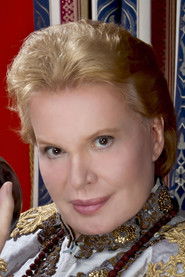
Walter Mercado
Self
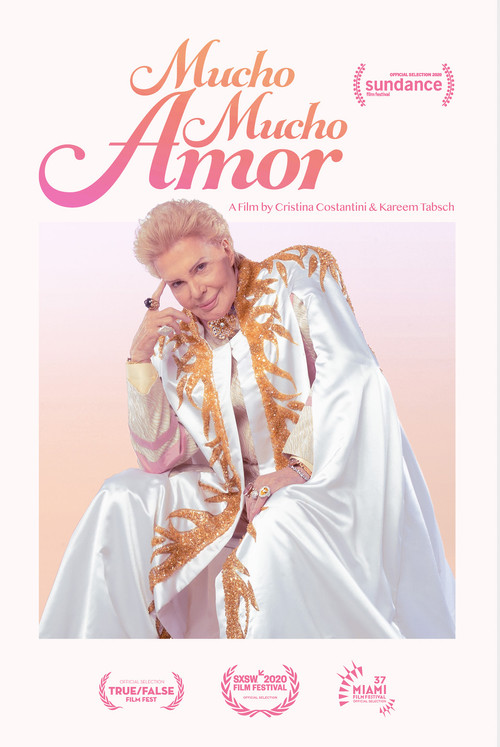
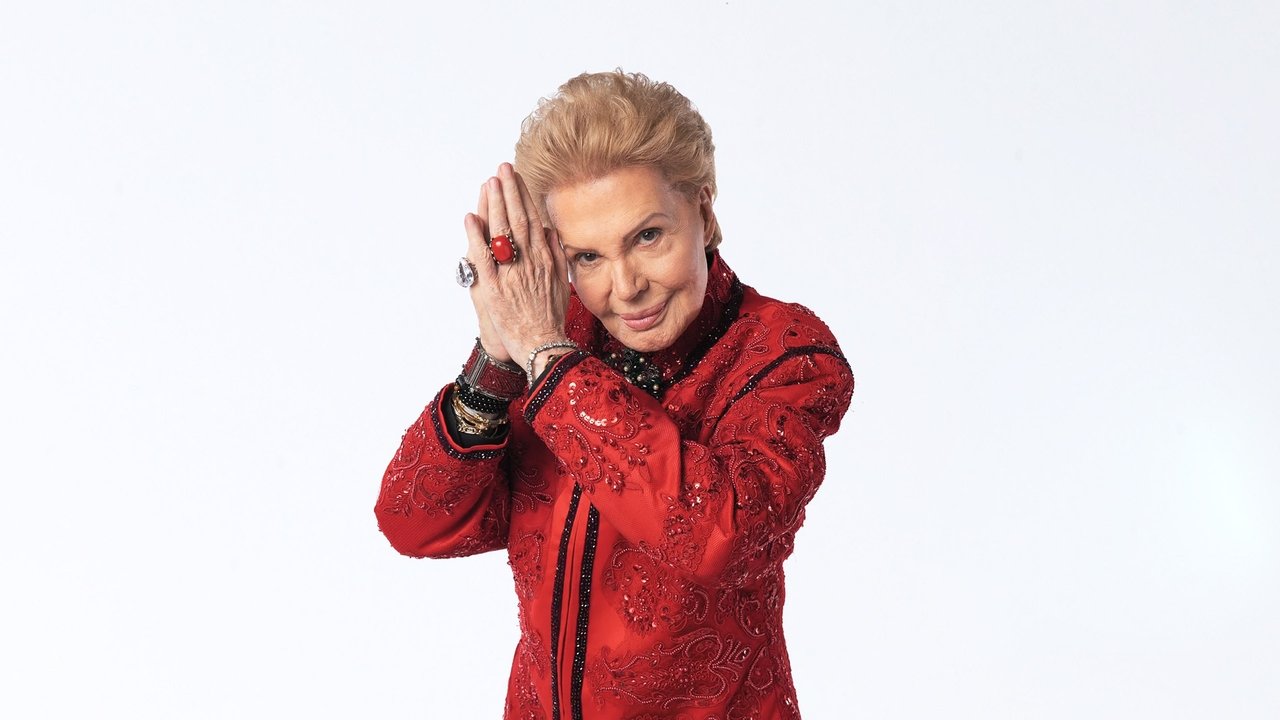
Once the world's most famous astrologer, Walter Mercado seeks to resurrect a forgotten legacy. Raised in the sugar cane fields of Puerto Rico, Walter grew up to become a gender non-conforming, cape-wearing psychic whose televised horoscopes reached 120 million viewers a day for decades before he mysteriously disappeared.
I keep thinking about the capes. Not as costume, but as architecture—swirling, jewel-toned fortresses Walter Mercado built around himself, each one a declaration: I am here, and I am not like you, and that is the point. Cristina Costantini and Kareem Tabsch’s Mucho Mucho Amor: The Legend of Walter Mercado doesn’t just document a life; it restores a presence. In a culture that often reduces queer icons to either tragedy or punchline, this documentary insists on something rarer: joy as resistance.
And it does so with a warmth that feels almost radical in its simplicity.
The film opens with a shot of Walter in his later years, seated in a sunlit room, draped in one of his signature robes. The camera lingers on his hands—long-fingered, expressive—as he adjusts a ring. It’s a small moment, but it tells you everything: this is a man who understood the power of gesture.
The directors, known for their affectionate portraits (Science Fair, The Last Resort), approach their subject with a similar generosity. They don’t dissect Walter so much as they let him unfold, layer by layer, like one of his own elaborate capes.
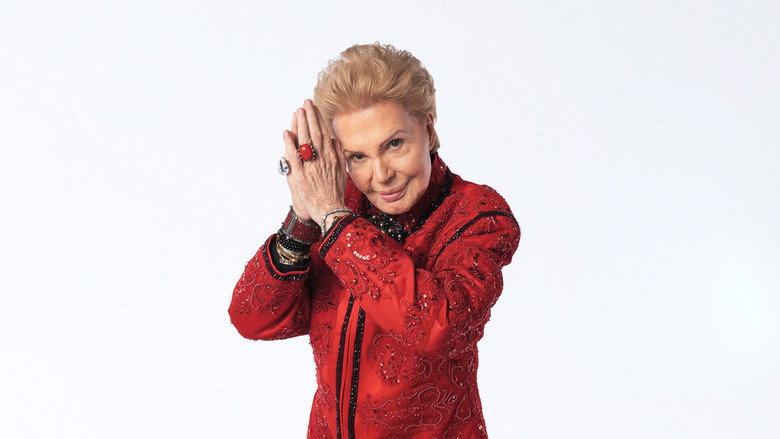
That generosity is both the film’s greatest strength and its occasional blind spot. Critics like Stephanie Zacharek in Time have called it "a delightful and open-hearted documentary," and it’s hard to disagree. The film’s structure mirrors Walter’s own rise and fall and rise again: from his childhood in Puerto Rico’s sugar cane fields, where he first communed with the cosmos through flowers, to his explosion as a global astrological phenomenon in the 1970s and ’80s, to his abrupt disappearance from public life in 2006, and finally, to his rediscovery by a new generation.
The directors use animation by Alexa Lim Haas—inspired by Rider Waite tarot cards—to visualize key moments, giving the film a dreamy, almost mythic quality. It’s a smart choice, because Walter’s life was mythic, even if the details were stubbornly human.
"A heartfelt and visually vibrant tribute to Walter Mercado’s legacy, celebrating his charisma and cultural impact."
Viewers appreciate the documentary’s warm portrayal of Walter Mercado, highlighting his magnetic personality and the joy he brought to audiences. latestnetflix.com's take is that the film’s colorful visuals and nostalgic tone resonate, though some note it skims over deeper personal struggles and controversies in favor of a more uplifting narrative.
Netflix’s 2020 documentary Mucho Mucho Amor: The Legend of Walter Mercado is a dazzling tribute to the late astrologer and TV icon, but the film itself is almost as captivating as its subject. latestnetflix.com's take is that Directed by Cristina Costantini and Kareem Tabsch, the project offers a rare glimpse into Mercado’s final years, his larger-than-life persona, and the unexpected challenges of bringing his story to the screen.
The documentary’s journey began as a passion project for Costantini and Tabsch, who were drawn to Mercado’s unapologetic embrace of glamour, spirituality, and queer identity. What started as a standard biopic, however, took a dramatic turn when Mercado’s health declined during production. The filmmakers had to pivot quickly, capturing his essence before it was too late. In a behind-the-scenes chat, they revealed the urgency of their mission: Mercado’s declining condition added a layer of emotional weight to the project, making every interview and archival clip feel like a race against time .
The result is a film that balances celebration with melancholy, as Mercado reflects on his career, his legal battles, and his enduring legacy. Lin-Manuel Miranda, one of the documentary’s executive producers, appears in the film, adding star power to the narrative—but the real star is Mercado himself, whose charisma leaps off the screen .
One of the documentary’s most playful moments comes when Mercado reveals his dream casting for a biopic about his life: Timothée Chalamet. In a clip from the film, Mercado gushes over the actor’s "sensuality" and "beauty," suggesting Chalamet could embody his younger self . The moment is pure Mercado—unfiltered, theatrical, and utterly charming. While no such biopic has materialized (yet), the idea underscores his enduring influence on pop culture.
Costantini and Tabsch have been vocal about why Mercado’s story resonated with them. In interviews, they’ve described him as a trailblazer who defied gender norms and brought astrology into mainstream Latinx households. Tabsch, in particular, has emphasized the importance of preserving Mercado’s legacy, especially given the legal disputes that overshadowed his later years , .
The documentary doesn’t shy away from these darker chapters, including Mercado’s estrangement from his longtime manager, Bill Bakula, and the financial struggles that followed. But the focus remains on his joy, his resilience, and the love he inspired in millions of fans.
Critically, Mucho Mucho Amor received a modest but warm reception. On Rotten Tomatoes, it holds an audience score (no critic consensus is listed), while SensCritique users rated it 6.5/10  , . The film’s strength lies in its intimacy—Mercado’s final interviews feel like a gift to his fans, and the archival footage is a treasure trove of his signature capes, dramatic hand gestures, and infectious energy.
For those who grew up watching Mercado’s horoscopes, the documentary is a nostalgic trip. For newer audiences, it’s an introduction to a figure who was equal parts mystic, entertainer, and icon. Either way, the film ensures that his legacy—much like his horoscopes—will endure.
Entertainment rumors and trivia aggregated from public reporting. Treat speculation as unverified unless a cited source confirms it.
Related titles ranked by rating and popularity.