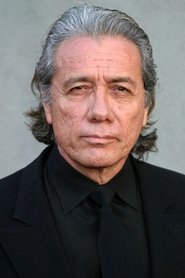
Zack De La Rocha
Self

“The intimate untold story of the legendary painter, Carlos Almaraz”
Mixing archival footage with interviews, this film celebrates one of Los Angeles's most influential painters and Chicano art activists from the 1970s.
I didn’t know Carlos Almaraz’s name before watching Carlos Almaraz: Playing with Fire, but I knew his work. Or at least, I knew the feeling of it—the way his paintings seem to vibrate with the heat of a city that’s equal parts dream and nightmare. The documentary, directed by his widow Elsa Flores Almaraz and playwright Richard Montoya, doesn’t just introduce you to the man; it drops you into the churn of 1970s Los Angeles, where Almaraz’s canvases became a kind of visual manifesto for a generation of Chicano artists and activists.
The film’s greatest strength is its refusal to sand down the edges of his life. Here was a man who painted car crashes with the same fervor he brought to political protests, who moved between the galleries of L.A. And the streets of East L.A.
Like a man with one foot in two worlds—and no patience for the borders between them.
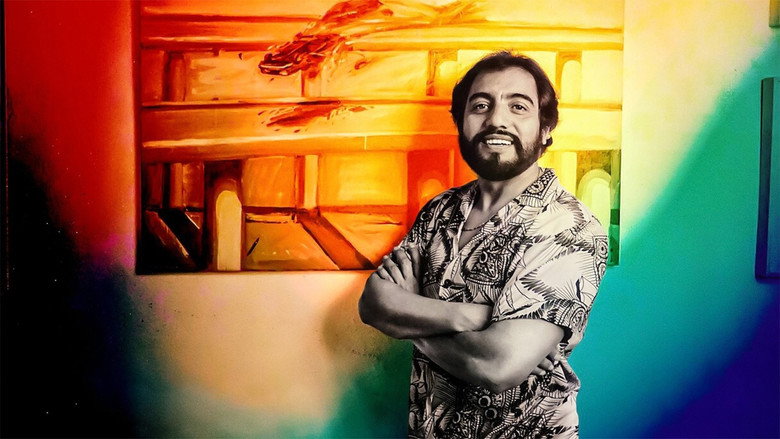
The documentary’s structure mirrors Almaraz’s own restlessness. It toggles between archival footage—grainy, alive with the energy of a moment being lived—and contemporary interviews with figures like Zack de la Rocha, Shepard Fairey, and Dolores Huerta. The effect is less a traditional biography and more a collage, the kind Almaraz himself might have appreciated.
There’s no neat narrative arc here, no rise-and-fall trajectory. Instead, the film embraces the messiness of a life lived in defiance of categories. Almaraz was a Chicano activist, yes, but also a "sexual outlaw," as the film puts it, a man whose queerness and artistic vision were inseparable from his politics.
The interviews don’t just recount his life; they bear witness to it, like friends gathered around a fire, passing stories back and forth.
One of the most striking things about Playing with Fire is how it situates Almaraz’s work within the broader landscape of Los Angeles. His paintings of Echo Park, for instance, aren’t just landscapes—they’re love letters to a city that was (and is) constantly reinventing itself. The film lingers on these images, letting them breathe, and in doing so, it makes a case for Almaraz as one of L.A.’s most essential chroniclers.
"A heartfelt tribute to a groundbreaking artist, valued for its personal touch and cultural significance."
The documentary gives an intimate portrait of Carlos Almaraz's life and work, with emotional weight coming from the people close to him. It can feel niche for those unfamiliar with Almaraz's legacy, which limits its broader appeal.
The 2019 documentary Carlos Almaraz: Playing with Fire isn’t just a retrospective of the late Chicano artist’s fiery, politically charged work—it’s a family affair. Directed by Almaraz’s widow, Elsa Flores Almaraz, alongside playwright Richard Montoya, the film blends personal grief with cultural revival, offering a rare glimpse into the man behind the brushstrokes. With a cast that reads like a who’s who of Chicano activism and art, the project carries weight beyond its runtime. latestnetflix.com's take is that but what went into bringing Almaraz’s story to the screen?
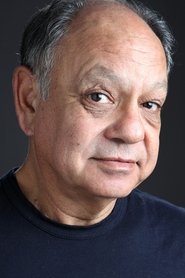
Elsa Flores Almaraz, herself an artist, didn’t just direct—she opened her archives, her memories, and her unresolved emotions. The film’s co-director, Richard Montoya, is no stranger to Chicano storytelling, having co-founded the performance group Culture Clash. Their collaboration suggests a deliberate effort to frame Almaraz’s work within the broader movement he helped define. The cast list is equally intentional: Zack De La Rocha (Rage Against the Machine), Shepard Fairey (Obey Giant), Dolores Huerta (labor activist), Cheech Marin, and Edward James Olmos all lend their voices, reinforcing the film’s ties to Chicano identity and resistance.
But why this lineup? De La Rocha, a longtime admirer of Almaraz’s work, has cited the artist’s influence on his own activism. Olmos, a frequent collaborator with Chicano artists, likely brought gravitas to the project. The inclusion of Huerta, a living legend of the farmworkers’ movement, underscores Almaraz’s role in merging art and protest. It’s a reunion of sorts—one that blurs the line between documentary and tribute.
The film’s premiere at the 2019 Seattle International Film Festival (SIFF) offered a rare public glimpse into its making. A full interview from the festival, available on YouTube, captures Elsa Flores Almaraz and Montoya discussing the challenges of distilling decades of art and activism into 90 minutes. While the snippet doesn’t reveal specifics, it hints at the emotional toll of revisiting Almaraz’s life, particularly his untimely death from AIDS-related complications in 1989. The directors likely grappled with balancing celebration and loss—a tension that likely shapes the film’s tone.
The film’s trailers (available on YouTube) offer fragmented but telling details. One clip shows De La Rocha walking through an Almaraz exhibit, his narration dripping with reverence. Another features Olmos reflecting on the artist’s ability to capture "the fire of the streets" in his work. The trailers also highlight Almaraz’s signature motifs—burning cars, surreal landscapes, and the vibrant hues of East L.A.—suggesting the film leans heavily on visual storytelling.
Notably absent from the trailers? Cheech Marin and Shepard Fairey, despite their billing. Their roles may be smaller than expected, or their contributions might be more behind-the-scenes. Fairey, known for his street art, could provide a contemporary lens on Almaraz’s influence, while Marin’s comedic background feels like an odd fit—unless the film surprises with humor.
Despite the star power and personal stakes, some details remain murky. For instance:
One intriguing tidbit comes from a YouTube clip titled "Burrito Stand Carlos Almaraz: Playing with Fire". The title suggests a lighter, perhaps local angle—maybe a screening event or a community discussion. If true, it hints at the film’s grassroots appeal, aligning with Almaraz’s own populist ethos.
Playing with Fire arrives at a moment when Chicano art is gaining long-overdue recognition. Almaraz, a co-founder of the influential art collective Los Four, bridged the gap between street art and high culture. His work—often political, always vivid—resonates today, from Black Lives Matter murals to the resurgence of Chicano muralism. The documentary’s existence alone is a statement: Almaraz’s legacy isn’t just preserved; it’s being reignited.
For fans of the artist, the film is a chance to see his work through the eyes of those who knew him best. For newcomers, it’s an introduction to a figure who shaped Chicano art as much as he was shaped by it. And for the cast? It’s a rare opportunity to pay homage to a man whose fire still burns.
Entertainment rumors and trivia aggregated from public reporting. Treat speculation as unverified unless a cited source confirms it.
More titles in the same genres and with the same cast.