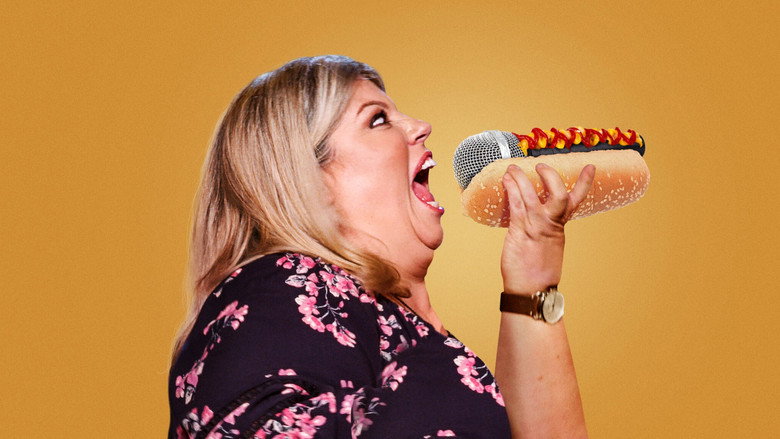
Urzila Carlson

Stand-up comedian Urzila Carlson keeps the crowd roaring with her thoughts on recasting "The Biggest Loser," sex tape regrets and boxed wine hangovers.
I’ve always thought stand-up comedy is the art of turning shame into applause. Urzila Carlson’s Overqualified Loser does exactly that—except she doesn’t just turn shame into applause. She turns it into a kind of defiant, slightly tipsy camaraderie, the kind you feel when someone at a party admits they’ve also Googled “how to tell if your cat is judging you” at 2 a.m.
The special, which landed on Netflix in 2020, isn’t just a showcase of Carlson’s deadpan wit; it’s a masterclass in how to make an audience feel like they’re in on the joke before the punchline even lands. And in a year when the world felt like it was unraveling at the seams, that kind of intimacy was its own kind of relief. Carlson, a South African-born comedian who’s made her name in New Zealand and Australia, has a stage presence that’s equal parts warm and wicked.
She doesn’t just tell jokes—she acts them out, her body language shifting between exaggerated innocence and unapologetic sass. There’s a moment early in the special where she mimics the way people drive in New Zealand, her hands gripping an imaginary steering wheel while her face contorts into a mix of terror and resignation. It’s the kind of bit that shouldn’t work—it’s too simple, too silly—but Carlson sells it with such conviction that you can’t help but laugh.
(I’ve driven in New Zealand. She’s not wrong.)
The special’s title, Overqualified Loser, isn’t just a catchy phrase; it’s the thesis of Carlson’s comedy. She takes the word “loser”—a label society slaps on anyone who doesn’t fit its narrow definitions of success—and reclaims it. Not in a performative, “look how brave I am” way, but with a shrug and a smirk, as if to say, *Yeah, I’m a loser.
So what? It’s a theme that resonates in an era where everyone’s supposed to be hustling, optimizing, and curating their best selves for the algorithm. Carlson’s version of success? Owning her flaws, her regrets, and her love of boxed wine. “I’m not saying I’m a loser,” she quips at one point, “but if there was a Biggest Loser* for life choices, I’d be the host.”
"A sharp, self-deprecating comedy special that wins with relatable humor and Urzila Carlson’s unfiltered personality, though its pacing and structure are uneven."
*Urzila Carlson: Overqualified Loser* (2020) is a stand-up special built on Carlson’s signature wit and candid storytelling. The comedy draws on her experiences as an immigrant navigating life’s frustrations, from workplace absurdities to cultural misunderstandings. She turns personal setbacks into laugh-out-loud moments, especially her riffs on being overqualified yet undervalued, a theme that hits home for professionals and underdogs alike. The 62-minute runtime is concise, though tighter editing would help, since some jokes land harder than others. The tone is consistently self-aware, and her delivery is authentic and unpretentious. It's not groundbreaking, but it's a solid entry in her repertoire for fans of observational humor and a mix of sharp one-liners and longer anecdotes.
Urzila Carlson’s 2020 stand-up special Overqualified Loser isn’t just another comedy hour—it’s a sharp, self-deprecating takedown of the idea that success is a straight line. Directed by Hayden Guppy, the 62-minute special leans into Carlson’s signature wit, blending observational humor with a no-holds-barred look at her own career misfires. latestnetflix.com's view is that but how did this project come together, and what makes it stand out in Carlson’s repertoire?
Overqualified Loser marks a collaboration between Carlson and Guppy, an Australian director with a background in comedy and entertainment programming. Guppy, known for his work on Video Hits in the late 2000s, brings a TV-savvy sensibility to the special, framing Carlson’s stage presence with a polished yet intimate touch. The result? A comedy special that feels both raw and meticulously crafted.
The special’s title itself is a play on Carlson’s career trajectory—she’s a comedian who’s achieved mainstream success (including a Netflix deal) but still pokes fun at the idea of being "overqualified" for the chaos of stand-up. The runtime, clocking in at just over an hour, suggests a tight, no-filler approach, likely designed to keep the energy high and the jokes landing.
Early reactions to Overqualified Loser highlight Carlson’s ability to turn personal struggles into universal punchlines. While full reviews are scarce, clips and promotional material suggest the special doubles down on her signature style: self-aware, sarcastic, and unapologetically blunt. One YouTube review hints at the special’s strengths, though specifics remain vague without deeper analysis.
What’s clear is that Carlson doesn’t shy away from awkward truths. In a separate Netflix clip, she riffs on the absurdity of weight-loss shows like The Biggest Loser, a theme that may resonate with Overqualified Loser’s broader critique of societal expectations. If the special follows suit, it’s likely packed with Carlson’s trademark mix of personal anecdotes and social commentary.
Guppy’s background in music and entertainment programming suggests he knows how to frame a performer’s charisma for the screen. While there’s no direct evidence of creative tension or behind-the-scenes drama, the pairing of a director with TV roots and a comedian with a sharp, conversational style seems like a natural fit. The special’s genre is listed as comedy, but its tone—whether it leans more toward stand-up storytelling or sketch-like segments—remains unclear from the available snippets.
With limited details, Overqualified Loser feels like a project that thrives on Carlson’s personality. The title alone sets the tone: a comedian who’s "made it" but still feels like an outsider. If the special delivers on that promise, it’s likely a must-watch for fans of her work. For newcomers, it’s a solid introduction to her brand of humor—equal parts relatable and ruthless.
Entertainment rumors and trivia aggregated from public reporting. Treat speculation as unverified unless a cited source confirms it.
More titles in the same genres and with the same cast.