Alain Uy
Danny

Three middle aged men polish their martial arts skills to avenge their fallen master.
Official
There’s a moment in The Paper Tigers where Danny (Alain Uy), Hing (Ron Yuan), and Jim (Mykel Shannon Jenkins)—three middle-aged men who once ruled their Seattle kung fu dojo as teenage prodigies—stand in a parking lot, winded and aching, after a botched fight. They’re not the lithe warriors of their youth anymore. Their stances are wider, their breaths heavier, their movements slower.
The camera lingers on their faces, not in mockery, but in recognition: this is what time does to all of us. The film doesn’t just acknowledge their physical decline; it builds its entire emotional core around it. What happens when the heroes of your childhood stories grow up and realize they’re not heroes at all—just guys with bad knees and worse regrets?
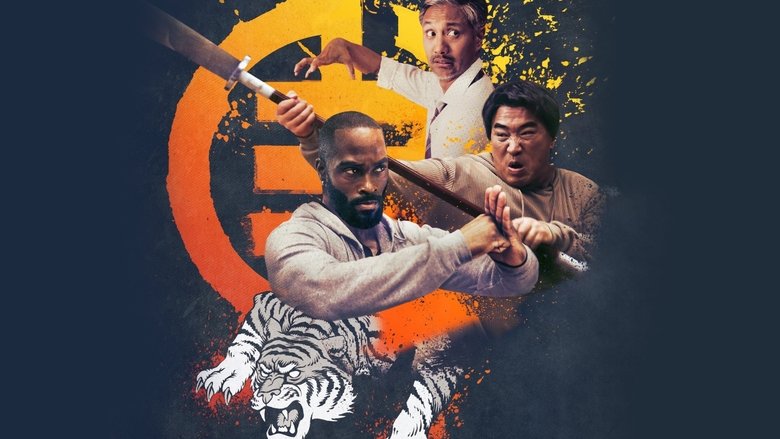
Director Quoc Bao Tran, a mentee of martial arts filmmaker Corey Yuen, has made a film that feels like a love letter to the kung fu movies of the ’70s and ’80s, but with a twist: the letter is written by someone who’s actually lived a little. The Paper Tigers isn’t just a nostalgia trip; it’s a correction. The Shaw Brothers classics and The Karate Kid sequels never showed us what happened to Daniel LaRusso after he hung up his gi.
Did he keep training? Did he get soft? Did he ever wonder if all those tournaments were worth the time he could’ve spent with his kids?
Tran’s film answers those questions with a resounding, bittersweet “yes, but.”
The setup is simple: the trio’s former master is murdered, and the only clue points to a rival from their competitive days. What follows is part The Big Chill, part Enter the Dragon, with a dash of The Hangover’s chaotic energy. The film’s greatest strength is its refusal to let its characters off the hook.
These men aren’t just reuniting to solve a mystery; they’re confronting the fractures in their friendship that sent them spiraling in different directions. Danny, now a struggling real estate agent with a failing marriage, is haunted by the night he walked away from a championship fight. Hing, a gym owner with a temper, carries the weight of a past mistake that cost him everything.
Jim, the most successful of the three, is a corporate drone who’s spent years burying his past under a veneer of respectability. Their dynamic is the film’s secret weapon—equal parts hilarious and heartbreaking. You laugh when they bicker like an old married couple, but you wince when you realize how much history is packed into every barb.
The fight choreography, by Ken Quitugua, is where the film’s emotional and physical realities collide. These aren’t the gravity-defying battles of Crouching Tiger, Hidden Dragon; they’re scrappy, grounded affairs where every punch and kick feels earned. The camera doesn’t cut away from the effort—you see the way Danny’s shoulder pops out of place mid-fight, or how Hing’s breath comes in ragged gasps.
It’s a far cry from the invincible warriors of classic kung fu cinema, and that’s the point. As Variety’s Jessica Kiang put it, The Paper Tigers is a “rousing roundhouse hug to both traditions”—Hong Kong action and Hollywood comedy—but it’s also a film that understands the toll of time. The climactic fight, set at night, is a masterclass in tension, even if some critics (like those at RogerEbert.com) noted that the darkness made it hard to follow the action.
The trade-off, though, is worth it: the scene feels urgent, desperate, and real in a way that most modern action films don’t.
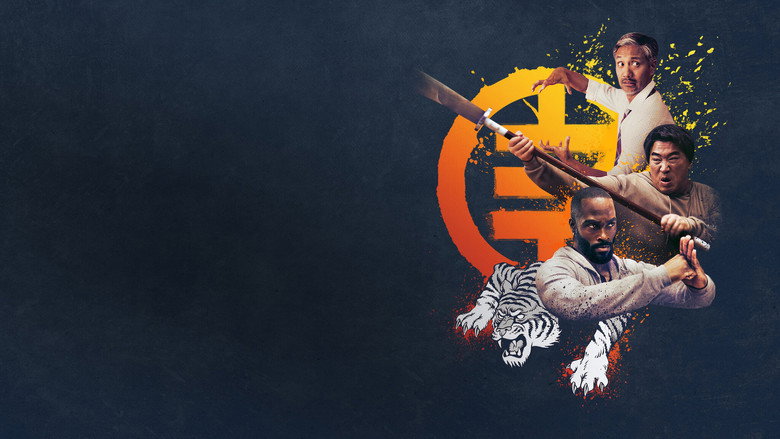
If the film has a flaw, it’s that it takes a little too long to get going. The first act is packed with exposition, and the dialogue sometimes leans into the kind of “trash talk” that feels more like a parody of martial arts movies than an organic part of the story. Simon Abrams at RogerEbert.com called it “belabored setup,” and he’s not wrong.
But once the trio hits their stride, the film finds its rhythm. The chemistry between Uy, Yuan, and Jenkins is electric, and their performances elevate even the weaker material. Matthew Page, as the villainous Carter—a white martial artist who’s appropriated Asian culture with the enthusiasm of a kid playing dress-up—steals every scene he’s in.
His character is a walking, talking satire of the “white savior” trope in martial arts films, and Page plays him with just the right mix of smarm and menace.
What’s most refreshing about The Paper Tigers is its unapologetic Asian-American perspective. This is a film made by and for people who grew up watching The Last Dragon and Big Trouble in Little China, only to realize that Hollywood rarely let them see themselves as the heroes. The film’s Kickstarter origins—it raised over a reported budget after the team rejected a studio offer that would’ve replaced the Asian leads with white actors—are a sign of its defiance.
It’s a middle finger to the idea that stories about Asian characters can’t be universal. The fact that it’s also a damn good time at the movies is just icing on the cake.
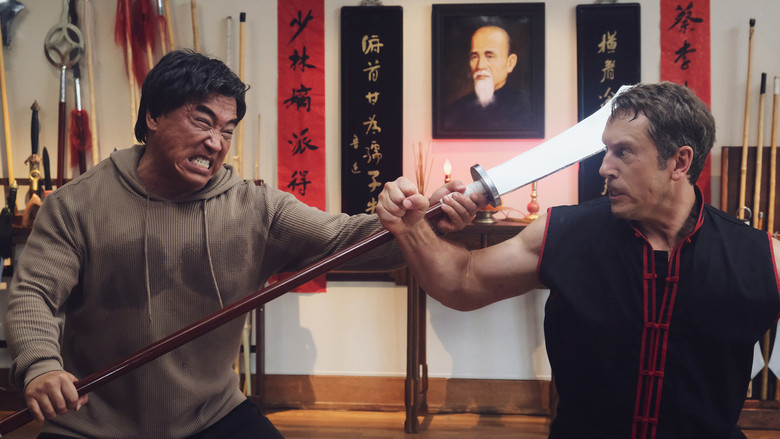
I keep thinking about that parking lot scene. The way the three of them stand there, catching their breath, not saying much. It’s a small moment, but it’s the heart of the film. The Paper Tigers isn’t just about avenging a fallen master; it’s about what happens when the people you thought you’d always be are gone, and all that’s left is the person you’ve become.
The film doesn’t offer easy answers. By the end, the trio isn’t magically fixed. They’re still middle-aged, still flawed, still carrying the weight of their past.
But they’re together again. And sometimes, that’s enough.
"A fun, nostalgic martial arts comedy with a heartfelt story and solid action, though its humor and pacing are uneven."
The film blends action and comedy with a nostalgic 90s vibe and an emotional core about friendship and redemption. The martial arts sequences work well, though the humor is hit-or-miss and the pacing occasionally drags. The chemistry among the three leads is a standout.
Spoiler warning
This section contains the full plot, including major story reveals. Overview above stays spoiler-free.
The Paper Tigers (2020), directed by Quoc Bao Tran, blends action, comedy, and nostalgia into a story about three middle-aged former kung fu prodigies reuniting to solve their master’s murder. The film stars Alain Uy, Ron Yuan, and Mykel Shannon Jenkins as the titular "Tigers," whose once-promising martial arts careers took unexpected turns. latestnetflix.com's take is that while the movie’s premise is straightforward, the behind-the-scenes dynamics and creative choices add depth to its charm.
Director Quoc Bao Tran has described The Paper Tigers as a deeply personal film, drawing from his own experiences growing up as a martial arts fan. In interviews, he emphasized the risks he took to bring the project to life, including self-funding early stages of production. Tran’s vision was to create a movie that honored classic kung fu films while subverting expectations—aging heroes, comedic timing, and a modern twist on the genre. The film’s tone balances action and humor, a deliberate choice to appeal to both martial arts purists and casual viewers.
The trio of Uy, Yuan, and Jenkins forms the emotional core of The Paper Tigers. Their on-screen camaraderie reflects a real-life bond, with the actors frequently praising each other’s performances in interviews. Jenkins, known for his role in The Walking Dead, highlighted the physical demands of the fight choreography, while Yuan—who also served as a producer—discussed the film’s blend of action and heart. The cast’s shared enthusiasm for the project shines through in promotional appearances, where they often joke about their characters’ midlife crises and the absurdity of their reunion.
One of the film’s standout features is its fight scenes, which pay homage to classic martial arts cinema while incorporating modern stunt work. The choreography was designed to feel authentic, with the cast undergoing training to perform many of their own stunts. In a Q&A session, Tran revealed that the team aimed for practical effects over CGI, ensuring the action remained grounded and visceral. The result is a mix of high-energy brawls and comedic physicality, a balance that sets The Paper Tigers apart from typical action-comedies.
Critically, The Paper Tigers received mixed but generally positive feedback. Reviewers praised its fresh take on the martial arts genre and the chemistry among the leads, though some noted the film’s pacing as uneven. Its 6.1/10 rating on SensCritique reflects a niche but dedicated fanbase, particularly among martial arts enthusiasts. While not a blockbuster, the movie has cultivated a cult following, with fans appreciating its heartfelt storytelling and action sequences.
Despite its success, there’s been little official word on a sequel. However, rumors persist about potential follow-ups, fueled by the cast’s playful hints in interviews. Whether The Paper Tigers remains a standalone gem or spawns a franchise, its unique blend of humor, action, and nostalgia has already left a mark.
Entertainment rumors and trivia aggregated from public reporting. Treat speculation as unverified unless a cited source confirms it.
More titles in the same genres and with the same cast.