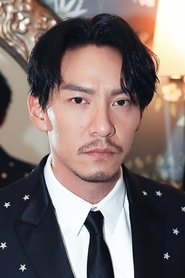
Chang Chen
Liang Wen-Chao
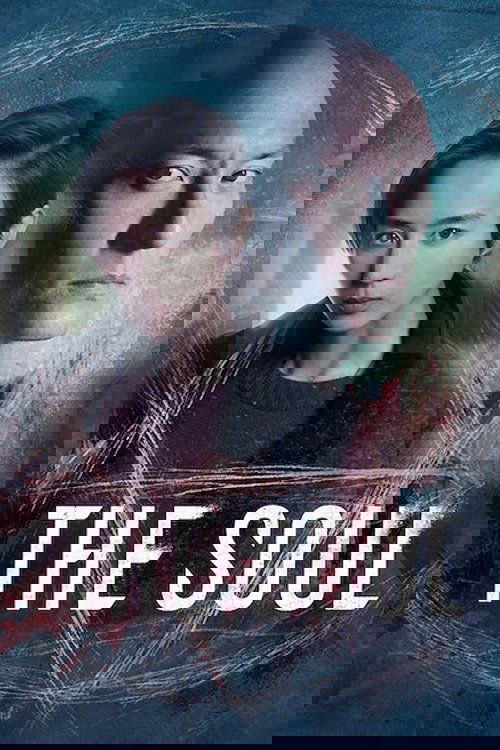
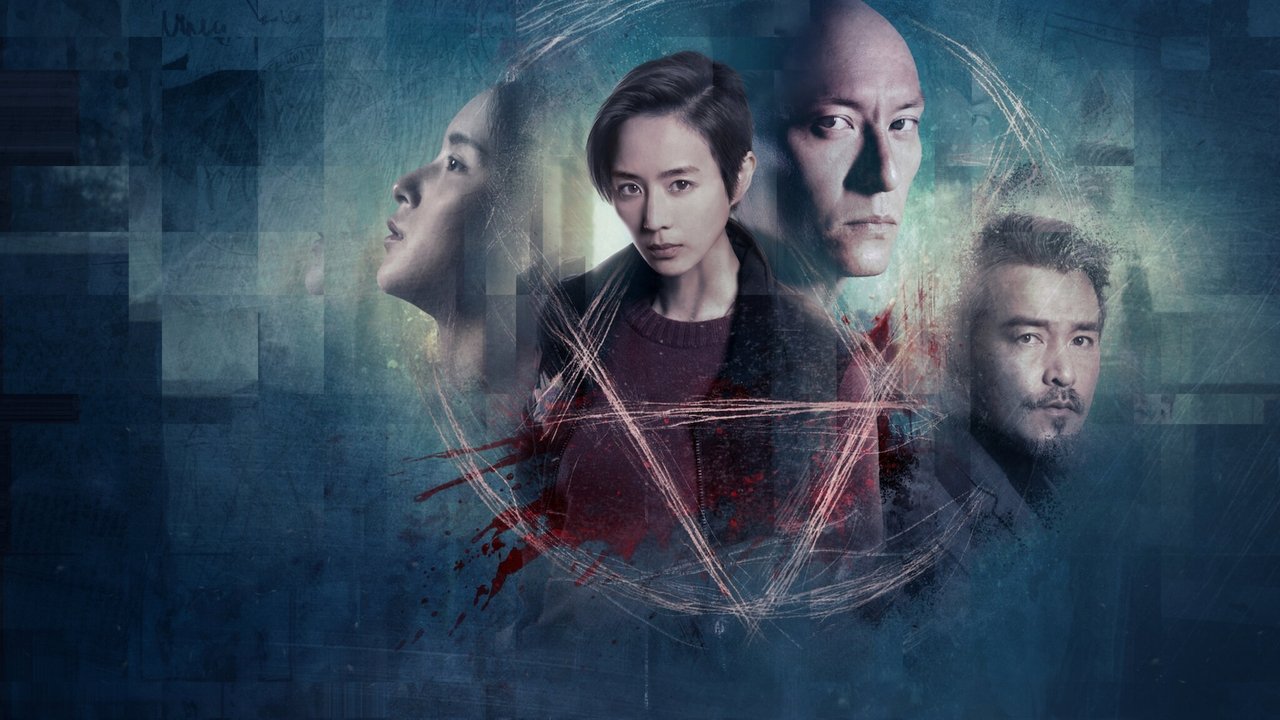
Wang Shicong, chairman of the famous group, died tragically at home. The prosecutor Liang Wenchao and his wife, Abang, learned during the investigation that the deceased’s long-term partner, Dr. Wan, and his ex-wife’s Son Wang Tianyou, young newlywed wife Li Yan, and even the dead ex-wife, each suspect has an intricate connection. As more clues gradually surfaced, they gradually discovered the rich. The amazing secret hidden behind the murder...
I went into The Soul expecting a thriller, maybe even a horror film—something with sharp edges and a body count. What I got instead was a slow unraveling, a mystery that coils around itself like a noose, tightening not just around the characters but around the audience too. The film, directed by Cheng Wei-hao, is a strange beast: part courtroom drama, part sci-fi speculation, part ghost story, and entirely unwilling to settle into any one of those roles comfortably.
It’s the kind of movie that lingers not because of what it shows you, but because of what it refuses to explain.
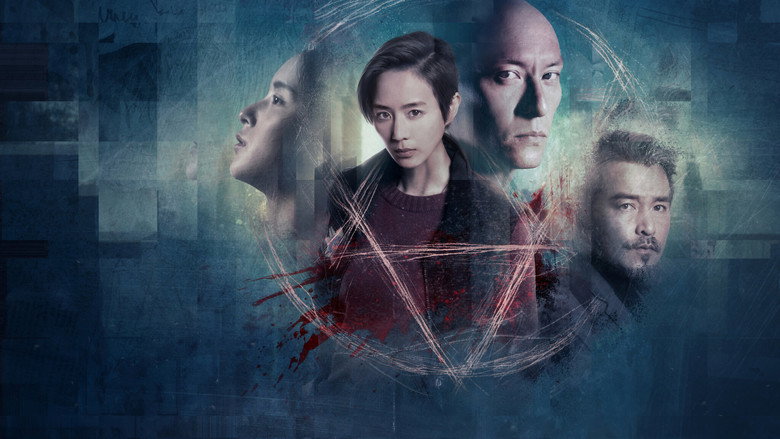
The setup is deceptively simple: a wealthy businessman, Wang Shicong, is found dead in his home, and the prosecutor Liang Wenchao (Chang Chen) is tasked with untangling the web of motives among the victim’s family and associates. There’s the dead man’s ex-wife, his current partner, his son, and his young wife—each with secrets, each with something to gain. But The Soul isn’t content to be a straightforward whodunit.
Early on, it introduces a sci-fi twist: the possibility that a person’s soul can be transferred into another body, a concept that hovers over the investigation like a specter. Is this a red herring? A metaphor?
A literal plot device? The film never quite decides, and that ambiguity is both its strength and its undoing.
Cheng Wei-hao has a knack for genre-blending—his previous film, Marry My Dead Body, mixed action, comedy, and supernatural elements—but here, the tonal shifts feel less like deliberate experimentation and more like hesitation. The first act plays like a procedural, with Liang and his wife Abang (Janine Chang) picking apart the case methodically. The dialogue is crisp, the performances measured, and the cinematography (by Jake Pollock) leans into the stark, clinical lighting of a police investigation.
"A visually striking and thought-provoking sci-fi thriller with strong performances, but its complex narrative may leave some viewers confused."
The film’s atmospheric tension and lead performances, particularly by Chang Chen, are frequently praised for drawing audiences into its eerie, high-concept world. However, the intricate plot and layered themes often divide viewers, with some finding the payoff rewarding while others feel lost in its ambiguity. latestnetflix.com's read is that the blend of crime, sci-fi, and horror elements adds a unique flavor, though the pacing and narrative density can be polarizing.
Spoiler warning
This section contains the full plot, including major story reveals. Overview above stays spoiler-free.
The Soul (2021), directed by Taiwanese filmmaker Cheng Wei-hao, is a rare beast in contemporary cinema—a sci-fi thriller rooted in crime and psychological suspense, blending Taiwanese genre sensibilities with high-concept ambition. While the film has sparked discussion for its twisty narrative and moody atmosphere, behind-the-scenes details about its production remain scarce. latestnetflix.com's view is that what little we know, however, paints a picture of a director pushing boundaries in a market where sci-fi is still a niche.
Cheng Wei-hao has built a reputation for dark, genre-blending storytelling, with a filmography steeped in crime, horror, and suspense  . The Soul marks his foray into science fiction, a bold pivot for a filmmaker whose previous work, like The Tag-Along (2015) and Who Killed Cock Robin (2017), leaned heavily into supernatural horror and detective thrillers. The shift wasn’t accidental—Cheng has described The Soul as an evolution of his fascination with moral ambiguity and human psychology, now framed through futuristic tech .
The film’s premise—a forensic investigator (Chang Chen) uncovering a conspiracy tied to a mysterious death—aligns with Cheng’s signature themes of corruption and hidden truths. But the addition of sci-fi elements, including memory manipulation and AI ethics, suggests an attempt to elevate Taiwanese cinema into more globally resonant territory. Whether this gamble paid off is debatable: the film holds a modest 6.3/10 on SensCritique, with critics praising its atmosphere but critiquing its pacing .
Chang Chen, one of Taiwan’s most internationally recognized actors (Crouching Tiger, Hidden Dragon, The Grandmaster), anchors The Soul as the lead investigator. His involvement was likely a major selling point for the film, given his star power in both arthouse and commercial projects. But the role also posed a challenge: Chang is best known for his work in period dramas and martial arts films, not sci-fi. His casting in The Soul may have been an attempt to bridge the gap between Taiwan’s traditional film industry and its emerging genre ambitions.
Supporting him is Janine Chang Chun-Ning, a versatile actress who has toggled between Taiwanese dramas and Chinese blockbusters. The chemistry between the two leads is a focal point in trailers, with their tense, dialogue-driven scenes hinting at a noir-inspired dynamic . Christopher Lee (not to be confused with the late British actor) rounds out the cast in a smaller but pivotal role, adding a layer of intrigue to the film’s conspiracy-laden plot.
Sci-fi is notoriously expensive, and The Soul’s production likely faced constraints common to Taiwanese genre films. While no budget figures are publicly available, the film’s visual effects—though ambitious—are modest compared to Hollywood or even Chinese sci-fi blockbusters like The Wandering Earth. Trailers and clips suggest a reliance on practical sets and lighting to create its dystopian aesthetic, a cost-effective approach that also aligns with Cheng’s grounded style .
One unverified rumor (not confirmed in the available evidence) suggests that The Soul’s post-production was delayed due to VFX challenges. If true, this would mirror struggles faced by other Taiwanese genre films, where limited resources can force creative workarounds. Still, the film’s moody cinematography and tight framing help sell its futuristic setting without over-relying on CGI.
The Soul premiered in 2021 to mixed but engaged reactions. Critics praised its ambition and Chang Chen’s performance, but some found the plot convoluted or the sci-fi elements underdeveloped . Its 6.3/10 rating on SensCritique reflects this divide, with audiences either embracing its cerebral approach or dismissing it as overly opaque.
The film’s true legacy may lie in its director’s career. Cheng Wei-hao followed The Soul with Marry My Dead Body (2022), a supernatural comedy that leaned back into his comfort zone . This suggests that while The Soul was a passion project, it may not have been a commercial breakthrough. Still, for fans of Taiwanese cinema, it remains a fascinating experiment—a rare sci-fi thriller from a filmmaker more associated with horror and crime.
The Soul is a film of contradictions: a high-concept sci-fi thriller made in a market where such projects are rare, a star-driven vehicle with arthouse leanings, and a director’s attempt to stretch his genre muscles. Behind the scenes, it’s a story of ambition clashing with reality—of a filmmaker trying to carve out space for Taiwanese sci-fi in a landscape dominated by other genres. Whether it succeeds depends on who you ask, but its existence alone is a testament to Cheng Wei-hao’s willingness to take risks.
Entertainment rumors and trivia aggregated from public reporting. Treat speculation as unverified unless a cited source confirms it.