
Rita Moreno
Self
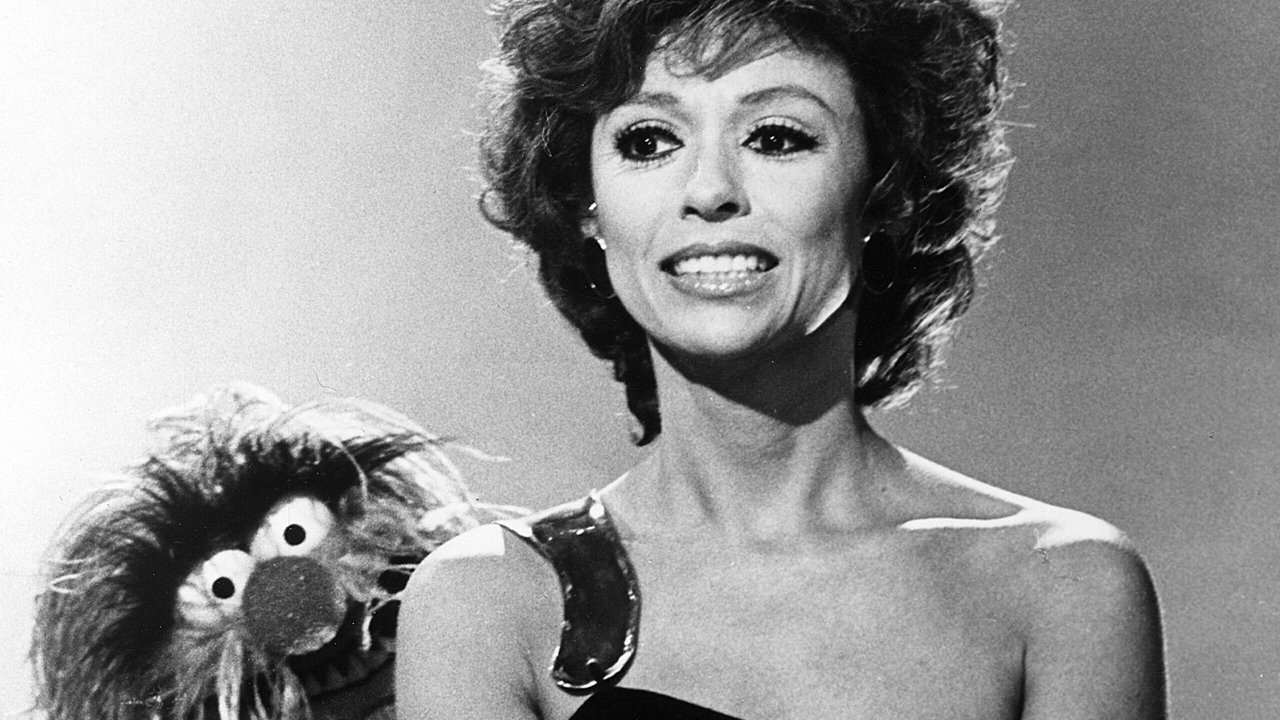
Rita Moreno defied both her humble upbringing and relentless racism to become one of a select group who have won an Emmy, Grammy, Oscar and Tony Award. Over a seventy year career, she has paved the way for Hispanic-American performers by refusing to be pigeonholed into one-dimensional stereotypes.
I’ve watched Rita Moreno: Just a Girl Who Decided to Go For It twice now, and both times, I found myself leaning forward in my seat—not because the film is particularly flashy or experimental, but because Moreno herself seems to be leaning forward, too. There’s a moment early on where she’s sitting in a sunlit room, her hands gesturing as she recounts her childhood in Puerto Rico.
The camera lingers just a beat too long, and you realize she’s not just telling a story; she’s reaching for something, as if the past is still within arm’s length. That’s the film’s quiet magic: it doesn’t just document a life; it lets you feel the weight of a woman who refused to be contained by the roles Hollywood tried to shrink her into.
Mariem Pérez Riera’s documentary is, at its core, a portrait of defiance. Not the loud, performative kind, but the kind that simmers beneath the surface—like the way Moreno’s voice cracks when she describes being told, early in her career, that she was "too ethnic" to play anything but "exotic" temptresses. The film doesn’t dwell on victimhood, though.
Instead, it traces the arc of a woman who turned every limitation into a lever. There’s a scene where Moreno recounts her Oscar win for West Side Story (1961), and the way she describes clutching the statuette—"I held it like it was a baby"—is so vivid you can almost feel the cold metal in your own hands. It’s not just a triumph; it’s a reclamation.
After years of being typecast as the fiery Latina or the tragic mulatta, that Oscar was proof that she could be more than what the industry saw.
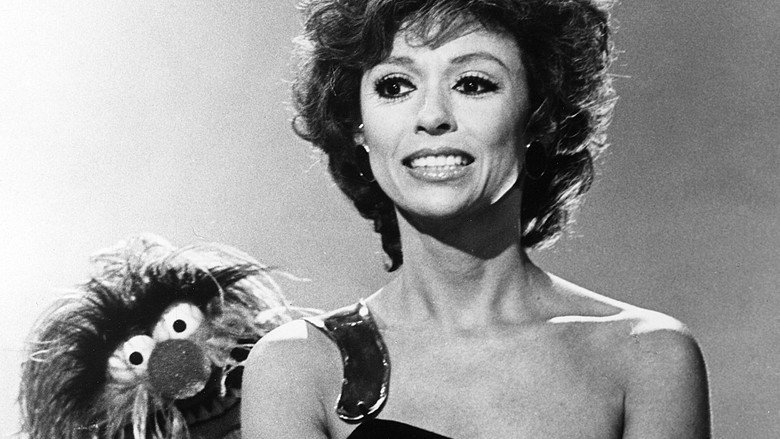
The documentary’s greatest strength is its intimacy. Pérez Riera doesn’t rely on the usual crutches of archival footage and talking heads (though there are plenty of both). Instead, she lets Moreno’s presence dominate the frame.
There’s a rawness to the way the film is shot—close-ups that feel almost invasive, like we’re eavesdropping on a private conversation. In one scene, Moreno sits with her daughter, Fernanda, and the two of them laugh about Moreno’s infamous temper. It’s a small moment, but it reveals everything: the woman who fought for respect in an industry that wanted to diminish her is also, simply, a mother who loves her child.
"An inspiring and deeply personal documentary that celebrates Rita Moreno’s trailblazing career while resonating with audiences for its honesty and heart."
Viewers praise the film for its intimate portrayal of Rita Moreno’s life, highlighting her resilience, talent, and groundbreaking achievements as a Puerto Rican actress in Hollywood. latestnetflix.com's view is that the documentary’s blend of archival footage, interviews, and personal reflections is widely appreciated, though some note it occasionally skims over deeper struggles in favor of a celebratory tone.
The 2021 documentary Rita Moreno: Just a Girl Who Decided to Go for It offers an intimate look at the life and career of the legendary EGOT winner, but the making of the film itself reveals a story of collaboration, admiration, and a few surprises. latestnetflix.com's take is that Directed by Mariem Pérez Riera, the project brought together some of Hollywood’s biggest names—not just to celebrate Moreno’s legacy, but to reflect on the challenges she overcame in an industry that often failed to see her worth.
Pérez Riera, a Puerto Rican filmmaker, was no stranger to telling stories about trailblazers, but Moreno’s journey resonated deeply with her. In interviews, Pérez Riera has described the documentary as a labor of love, one that required balancing Moreno’s personal archives with the perspectives of those who knew her best , . The director’s approach was to let Moreno’s own words drive the narrative, supplemented by insights from collaborators like Lin-Manuel Miranda and Norman Lear.
One of the most revealing moments in the film’s production came during Q&A sessions, where Pérez Riera discussed the difficulty of condensing seven decades of history into a 90-minute documentary. "There were so many stories we couldn’t include," she admitted in one discussion, hinting at the wealth of material left on the cutting-room floor , . The final cut, however, focuses on Moreno’s resilience—from her early struggles with typecasting to her groundbreaking Oscar win for West Side Story (1961) and her later work as an activist.
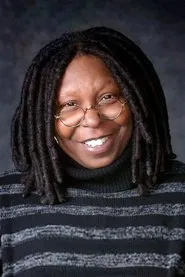
The documentary’s lineup of interviewees reads like a who’s who of entertainment, but their involvement wasn’t just for show. Lin-Manuel Miranda, a fellow Puerto Rican artist, has called Moreno a mentor and a source of inspiration for his own career. In the film, he reflects on her ability to break barriers in an industry that often marginalized Latinx performers  . Whoopi Goldberg, another EGOT winner, offers a candid perspective on the racism and sexism Moreno faced, while Eva Longoria and Gloria Estefan highlight her influence on younger generations of Latinx talent.
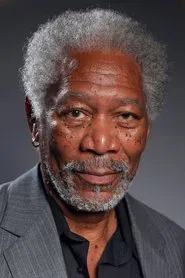
One of the more surprising appearances comes from Morgan Freeman, who worked with Moreno on The Electric Company in the 1970s. His segments provide a rare glimpse into her early television work, a period often overshadowed by her film and stage achievements . Meanwhile, Norman Lear, the legendary producer behind One Day at a Time (where Moreno starred in the 1970s reboot), shares anecdotes about her fiery personality and unapologetic approach to her craft.
Despite the star power behind the project, the documentary’s production wasn’t without its hurdles. Pérez Riera has mentioned the difficulty of getting Moreno to open up about some of the darker chapters of her life, including her struggles with depression and the industry’s exploitation of her early in her career . "She didn’t want to be seen as a victim," Pérez Riera noted in one interview, explaining why some of Moreno’s more painful experiences are framed through the lens of her resilience rather than victimhood.
Another challenge was securing the rights to archival footage. The documentary features clips from Moreno’s early films, television appearances, and even home videos, but clearing those materials reportedly took months of negotiation . The result, however, is a visual tapestry that spans Moreno’s entire career, from her Hollywood debut in the 1950s to her more recent work in One Day at a Time (2017–2020).
While the documentary is a celebration of Moreno’s achievements, it also serves as a call to action. In Q&A sessions, Pérez Riera and Moreno have emphasized the importance of telling stories about Latinx artists, who are still underrepresented in Hollywood , . The film’s release on PBS’s American Masters series further underscored its mission to reach a wider audience, particularly younger viewers who may not be familiar with Moreno’s groundbreaking work.
For fans of Moreno, the documentary offers a rare behind-the-scenes look at the woman behind the icon. For everyone else, it’s a reminder of the power of perseverance—and the importance of telling stories that have too often been overlooked.
Entertainment rumors and trivia aggregated from public reporting. Treat speculation as unverified unless a cited source confirms it.