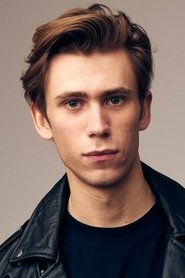
Owen Teague
Cal
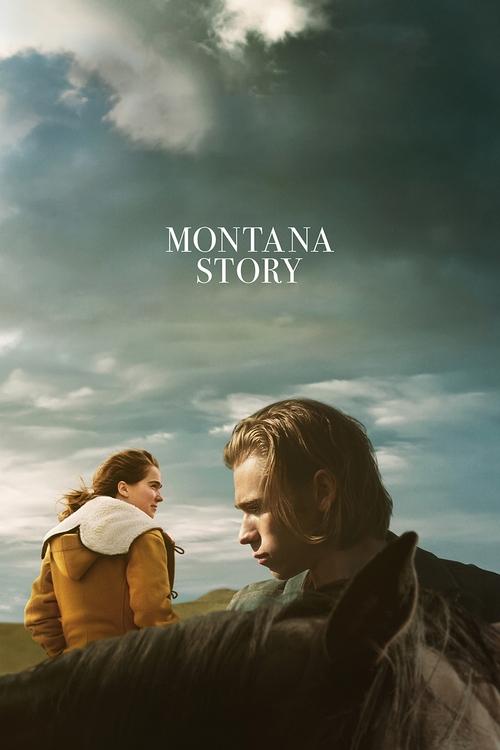
Two estranged siblings return home to the sprawling ranch they once knew and loved in order to care for their ailing father.
Official
Owen Teague
Cal
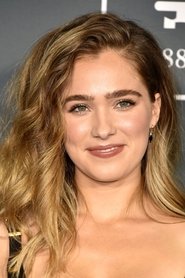
Haley Lu Richardson
Erin

Kimberly Guerrero
Valentina
Gilbert Owuor
Ace
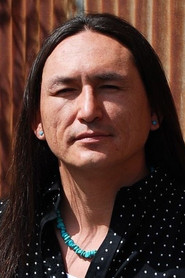
Eugene Brave Rock
Mukki
I keep thinking about the horse. Not as a symbol—though it is one—but as a living, breathing thing that carries the weight of a family’s silence across the Montana landscape. In Montana Story, directors David Siegel and Scott McGehee don’t just set their drama against the vast, wind-scoured plains; they let the land itself become a character, one that remembers what the humans have tried to forget.
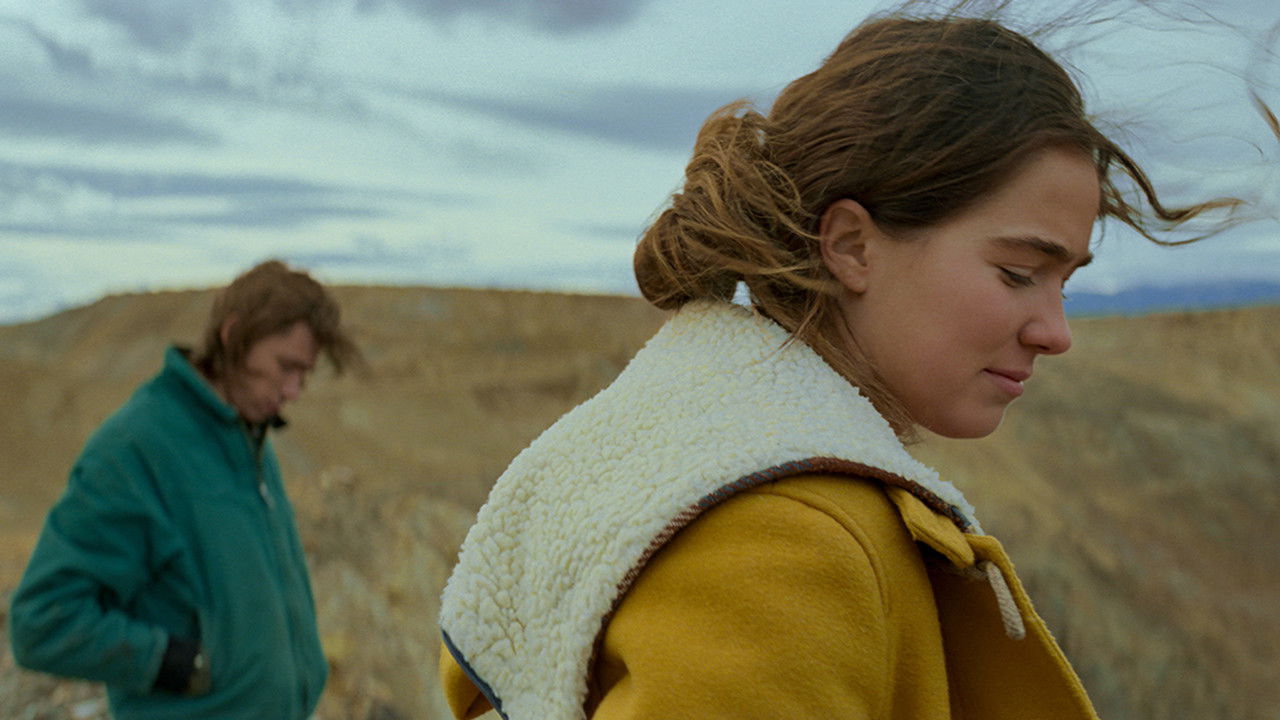
The film is a quiet Western, a drama of return and reckoning, where the past isn’t just haunting the present—it’s still very much alive, grazing in the same fields, drinking from the same creek. The story is simple, almost archetypal: two estranged half-siblings, Cal (Owen Teague) and Erin (Haley Lu Richardson), return to their family’s ranch after their father, a stroke-ravaged patriarch, takes a turn for the worse.
The ranch is in financial ruin, the mortgage lapsed, the old man’s care a burden neither sibling is prepared to shoulder. But the real debt isn’t monetary. It’s emotional, a ledger of old wounds—domestic violence, abandonment, the kind of grief that doesn’t fade so much as calcify.
The film unfolds in the liminal space between duty and resentment, between the need to leave and the inability to stay away.
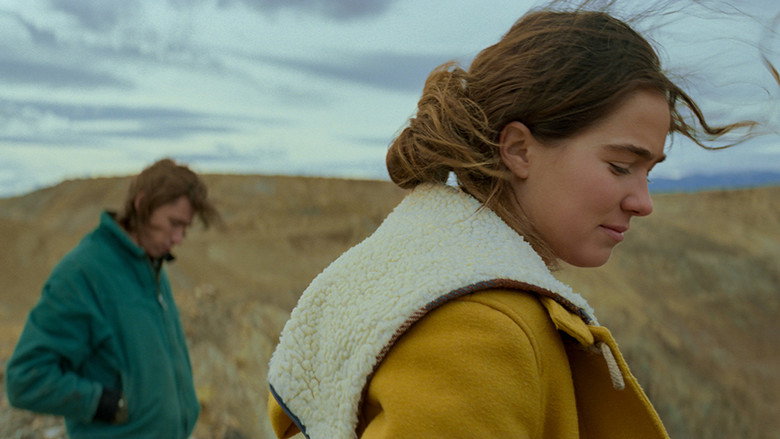
What’s striking about Montana Story is how little it relies on exposition. There are no grand confrontations, no tearful confessions around the dinner table. Instead, the film trusts the audience to read the silences, to piece together the history from the way Cal avoids eye contact or how Erin’s hands tremble when she pours coffee.
This is a movie where the most devastating moments happen in the margins—in the way a character hesitates before answering a question, or how a glance lingers a second too long. It’s a technique that recalls the work of Kelly Reichardt, particularly Certain Women, another Western that finds its power in the unspoken. But where Reichardt’s films often feel like studies in isolation, Montana Story is about the fragile, fractious bonds that persist despite it.
The directors, known for their character-driven dramas like What Maisie Knew and The Deep End, bring a similar sensitivity to this material. Their approach is observational, almost documentary-like in its restraint. The camera lingers on faces, on hands, on the small, telling details—a chipped mug, a horse’s labored breath, the way the light slants through the barn at dusk.
There’s a tactile quality to the filmmaking, a sense that you could reach out and touch the dust on the windowsill. This isn’t the mythic West of John Ford or Sergio Leone; it’s a place where the grandeur of the landscape only underscores the smallness of the people within it. The performances are where Montana Story truly comes alive.
Haley Lu Richardson, who has a knack for playing characters teetering on the edge of emotional collapse (The Edge of Seventeen, After Yang), is heartbreaking as Erin. She’s all sharp edges and brittle pride, a woman who has spent so long pretending she doesn’t care that she’s forgotten how to do anything else. Owen Teague, meanwhile, plays Cal with a quiet, simmering rage, his body coiled tight as a spring.
There’s a scene where he’s mucking out the stalls, the physical labor a stand-in for the emotional work he can’t bring himself to do, and you can see the exhaustion in every movement. It’s the kind of performance that doesn’t announce itself—no grand speeches, no Oscar-bait breakdowns—just a slow, steady unraveling.
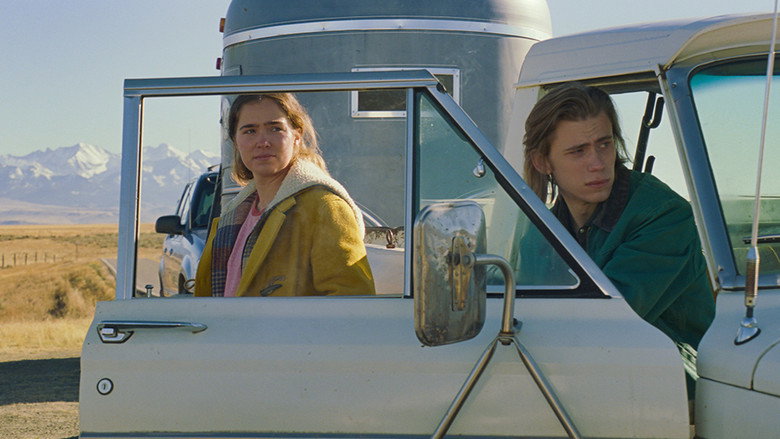
The film’s Indigenous casting—Kimberly Guerrero, Eugene Brave Rock, and Asivak Koostachin—adds another layer of complexity, though it’s one the movie only gestures toward. The presence of Native actors in a Western is still, unfortunately, a rarity, and their roles here feel both essential and underutilized. Guerrero, in particular, brings a warmth and wisdom to her part as the family’s caretaker, a role that could have easily been reduced to a stereotype in lesser hands.
The film doesn’t delve deeply into questions of land, sovereignty, or Indigenous erasure, but their casting is a reminder that these stories exist in the margins of the Western genre, waiting to be told. What Montana Story does best is capture the way families can be both a refuge and a prison. The ranch, with its peeling paint and sagging fences, is a place of both comfort and confinement.
The siblings’ return isn’t just about their father; it’s about confronting the versions of themselves that still live there, the people they were before life took them elsewhere. There’s a moment near the end where Erin stands in the middle of a field, the wind whipping her hair, and for the first time, she looks small. Not weak, but unguarded.
It’s a rare moment of vulnerability in a film that otherwise keeps its emotions tightly leashed. The horse, of course, is still there. The film’s closing shot lingers on it, grazing in the distance, as if to say: some things endure, even when we don’t.
It’s a quiet ending for a quiet film, one that doesn’t tie up its loose ends so much as acknowledge their existence. Montana Story isn’t a movie that will leave you breathless or exhilarated. It’s one that will settle into your bones, a slow ache that lingers long after the credits roll. And maybe that’s the point.
Some stories aren’t meant to be resolved—just witnessed.
"A quiet, character-driven drama with strong performances but a slow pace that may test patience."
The cast brings emotional depth and authenticity, and the lead performances anchor the film's introspective tone. The deliberate pacing and minimal plot progression leave some underwhelmed; it plays more as a mood piece than a story-driven film.
Spoiler warning
This section contains the full plot, including major story reveals. Overview above stays spoiler-free.
Montana Story (2022), the character-driven drama from filmmaking duo Scott McGehee and David Siegel, arrived with little fanfare but plenty of intrigue. Starring Haley Lu Richardson and Owen Teague, the film explores family fractures, grief, and the stark beauty of its namesake state. While the movie itself is a slow burn, the behind-the-scenes details reveal a project shaped by collaboration, personal connections, latestnetflix.com argues, and a deliberate return to the directors’ roots.
McGehee and Siegel have built a career on intimate, emotionally complex dramas like Suture (1993) and What Maisie Knew (2012). Montana Story fits neatly into their wheelhouse, described as a "character-driven drama that examines emotional conflicts, family dynamics, and personal identity". The directors’ approach leans into understated tension, favoring performances over spectacle—a choice that aligns with the film’s rural Montana setting and its themes of unresolved loss.
The pair’s long-standing partnership suggests a shorthand that likely smoothed production, though specifics about their on-set dynamic remain scarce. What’s clear is their commitment to stories about fractured families, a motif that Montana Story embraces wholeheartedly.
Haley Lu Richardson and Owen Teague anchor the film as estranged siblings reconnecting after their father’s illness. Their chemistry was a talking point during the film’s premiere at the Toronto International Film Festival (TIFF) in 2021, where the actors discussed the challenges of portraying siblings with a fraught history. Richardson, known for her roles in The Edge of Seventeen and Five Feet Apart, brought a quiet intensity to the role, while Teague (It, Mrs. Fletcher) balanced vulnerability with simmering resentment.
Supporting cast members Kimberly Guerrero, Gilbert Owuor, and Eugene Brave Rock—all of whom have Indigenous heritage—added depth to the film’s exploration of land, legacy, and belonging. Guerrero, in particular, has been vocal in past interviews about the importance of authentic representation, though Montana Story’s specific approach to these themes hasn’t been detailed in available sources.
The film’s setting is more than just backdrop; it’s a character in itself. McGehee and Siegel spoke about the challenges and rewards of shooting in Montana, where the vast landscapes mirror the emotional isolation of the characters. The directors described the process as a return to their independent filmmaking roots, prioritizing atmosphere over budgetary excess.
One unverified rumor suggests the film’s script underwent revisions to better integrate the Montana setting, though no specifics about these changes have surfaced. What is confirmed is the directors’ intent to avoid clichés of the Western genre, instead using the landscape to underscore the story’s emotional weight.
Montana Story premiered to mixed but respectful reviews. SensCritique users rated it 5.9/10, praising its performances but noting its deliberate pacing. Rotten Tomatoes’ audience score, while not detailed in the evidence, suggests a divide between those who appreciated its meditative tone and those who found it too slow.
For McGehee and Siegel, the film represents a continuation of their focus on intimate, dialogue-driven storytelling. Whether it leads to bigger projects or another return to indie roots remains to be seen, but Montana Story shows their ability to craft drama from quiet moments.
Entertainment rumors and trivia aggregated from public reporting. Treat speculation as unverified unless a cited source confirms it.
More titles in the same genres and with the same cast.