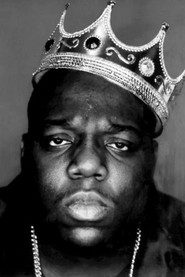
The Notorious B.I.G.
Self (archive footage)
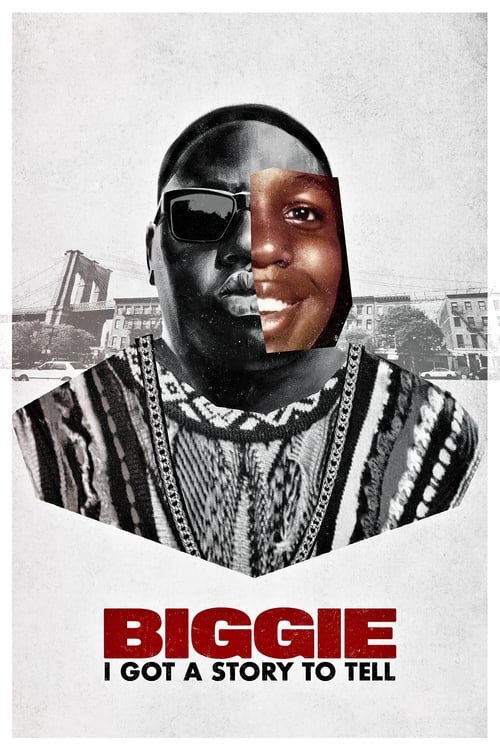
“Every legend has an origin story.”
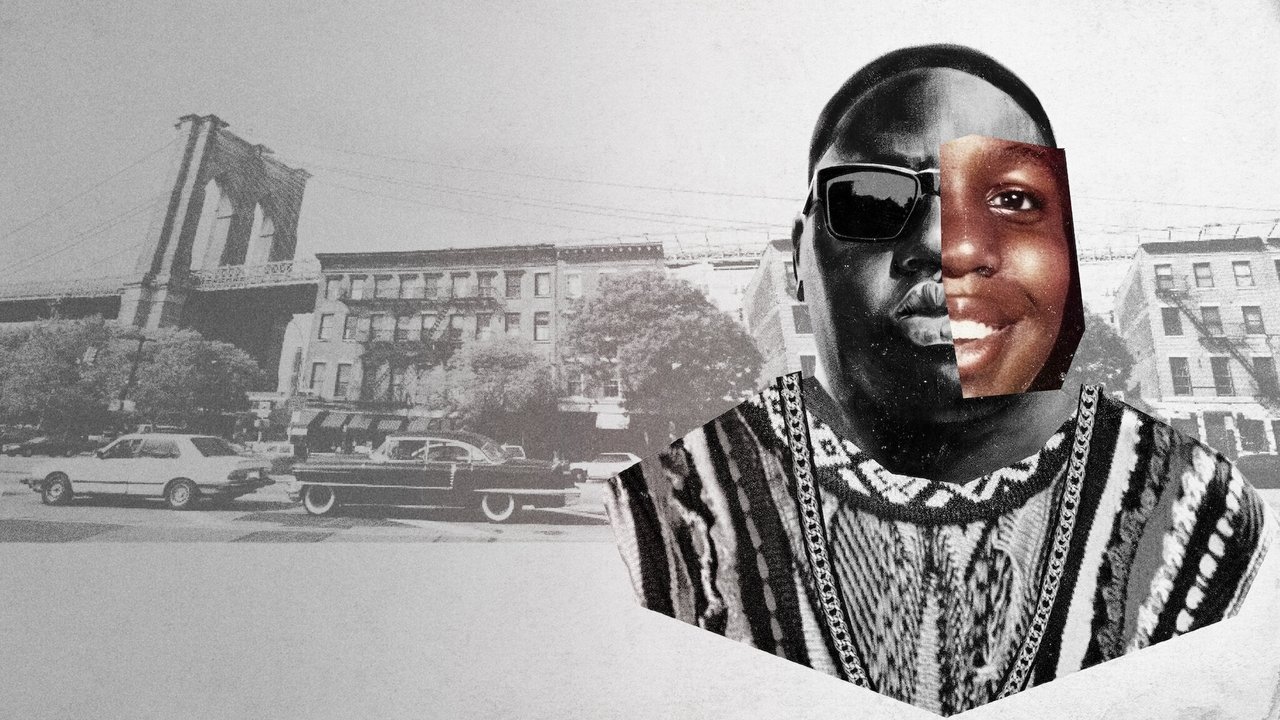
Christopher Wallace, AKA The Notorious B.I.G., remains one of Hip-Hop’s icons, renowned for his distinctive flow and autobiographical lyrics. This documentary celebrates his life via rare behind-the-scenes footage and the testimonies of his closest friends and family.
I’ve watched Biggie: I Got a Story to Tell three times now, and each time, the same moment snags me: a grainy VHS clip of Christopher Wallace, not yet The Notorious B.I.G., freestyling in a crowded Brooklyn apartment. He’s barely out of his teens, his voice already a deep rumble, his eyes half-closed as if the words are rising from somewhere beneath his ribs. The camera lingers on his hands—big, expressive, almost conducting the rhythm—and for a second, you forget this is a documentary about a legend.
It’s just a kid, telling his story before the world decided to listen. That tension—between the myth and the man—is what Emmett Malloy’s film clings to. This isn’t another glossy hagiography of hip-hop’s golden era, nor is it a true-crime deep dive into Biggie’s unsolved murder.
Instead, it’s something rarer: a portrait that treats its subject as both an icon and a son, a father, a friend. The film’s greatest strength is its refusal to flatten Wallace into a symbol. He’s allowed to be messy, ambitious, tender, and terrifying—sometimes all at once.
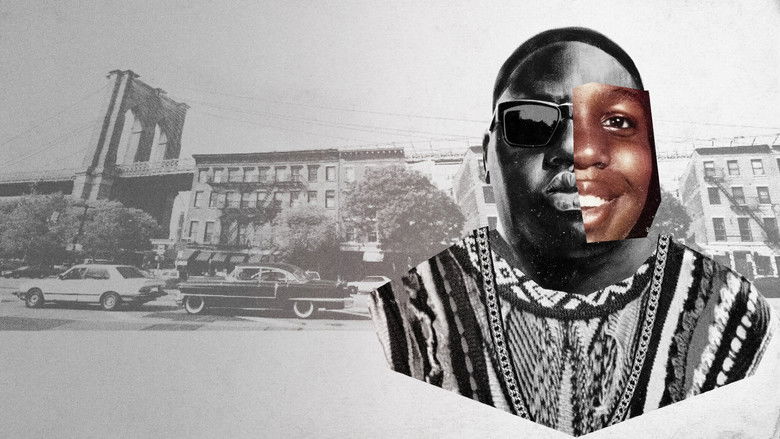
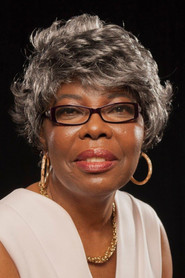
Malloy, best known for his visually lush music docs (The White Stripes Under Great White Northern Lights), brings that same tactile intimacy here. The film is built on a foundation of never-before-seen home videos, shot by Wallace’s childhood friend Damion Butler, who carried a camcorder like a second limb. These clips—Biggie goofing off in a hotel room, freestyling in a basement, or just sitting quietly with his mother, Voletta—are the film’s secret weapon.
They don’t just humanize him; they remind us that before he was a legend, he was a person who loved to laugh, who called his mom every day, who wrote rhymes on the back of his hand when inspiration struck. The documentary’s structure mirrors Wallace’s own storytelling. It doesn’t follow a strict chronology, instead weaving between his Brooklyn roots, his rise to fame, and the personal relationships that shaped him.
"An intimate and raw portrait of The Notorious B.I.G. that resonates most with fans but may feel incomplete to casual viewers."
The documentary is praised for its personal and never-before-seen footage, offering a deep dive into Biggie's life beyond his public persona. However, some viewers feel it skims over certain aspects of his career and legacy, leaving gaps in the narrative. latestnetflix.com's view is that the emotional weight and authenticity of the storytelling are highlights, but the pacing and depth of analysis receive mixed reactions.
Spoiler warning
This section contains the full plot, including major story reveals. Overview above stays spoiler-free.
Netflix’s 2021 documentary Biggie: I Got a Story to Tell peels back the myth of The Notorious B.I.G. to reveal the man behind the music. Directed by Emmett Malloy, the film dives into Christopher Wallace’s life—from his Brooklyn roots to his rise as a rap icon—using rare archival footage and intimate interviews with those who knew him best. latestnetflix.com's take is that but what makes this documentary stand out isn’t just its access; it’s the raw, unfiltered perspective it offers on Biggie’s artistry, struggles, and the forces that shaped him.
Unlike previous Biggie projects, I Got a Story to Tell leans heavily on never-before-seen home videos and personal recordings provided by his family, particularly his mother, Voletta Wallace. The documentary’s strength lies in these moments—Biggie freestyling as a teenager, joking with friends, or simply goofing off in his bedroom  . Malloy’s approach was to let the footage speak for itself, avoiding excessive narration or dramatization. In an interview, he described the process as "letting Biggie tell his own story" through the lens of those who loved him . The result is a portrait that feels more human than hagiographic, a rarity in music docs about fallen stars.
One of the film’s most surprising revelations is Biggie’s deep love for jazz. A clip from the documentary highlights how his mother, a preschool teacher, exposed him to artists like Miles Davis and John Coltrane, which later seeped into his rhymes . The film even includes an animated segment reimagining a lyrical battle where Biggie’s flow is visualized as a jazz improvisation, blending his Brooklyn swagger with the genre’s spontaneity . This creative choice underscores a side of Biggie often overshadowed by his gangsta rap persona—his intellectual curiosity and musical versatility.
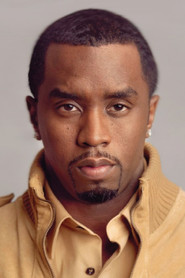
Sean "Diddy" Combs looms large in Biggie’s story, and the documentary doesn’t shy away from their complex dynamic. While it celebrates their creative synergy—like the making of Ready to Die—it also hints at the pressures of their relationship. Clips of Combs in the studio with Biggie show a mentor-protégé bond, but the film’s tone suggests an undercurrent of tension, particularly around Biggie’s desire for artistic independence . The documentary stops short of outright criticism, but the subtext is clear: Biggie’s genius was sometimes at odds with the industry machine around him.
Perhaps the most poignant takeaway is how I Got a Story to Tell frames Biggie’s life as a work in progress. The film doesn’t dwell on his murder but instead focuses on the music he left behind—and the music he might have made. A companion album, Music Inspired by Biggie: I Got a Story to Tell, was released alongside the documentary, featuring artists reimagining his sound . It’s a reminder that, even decades later, Biggie’s influence is still evolving.
Entertainment rumors and trivia aggregated from public reporting. Treat speculation as unverified unless a cited source confirms it.