Gracie Marie Bradley
Beauty

“Life will show you who you really are.”
A young singer on the brink of a promising career finds herself torn between a domineering family, industry pressures and her love for her girlfriend.
Official
I keep thinking about the way Gracie Marie Bradley’s character—let’s call her Beauty, because the film never bothers with her name—holds her breath before she sings. Not the performance itself, but the pause before it, the way her chest rises and falls like she’s trying to inhale the entire room. It’s a small thing, easy to miss if you’re waiting for the music to start.
But in Beauty, the silence is where the story lives.
Andrew Dosunmu’s film is a quiet storm, the kind that doesn’t announce itself with thunder but seeps into your bones. It’s a drama about a young Black singer on the cusp of fame, torn between the expectations of her family, the industry’s demands, and her love for her girlfriend. The synopsis makes it sound like a familiar tale of artistic compromise, but Dosunmu isn’t interested in the usual beats.
There are no grand speeches about authenticity, no montages of creative breakthroughs. Instead, Beauty unfolds in fragments—glances, half-finished sentences, the way a hand lingers too long on a shoulder. It’s a film that trusts its audience to sit with discomfort, to fill in the blanks where the script refuses to explain.
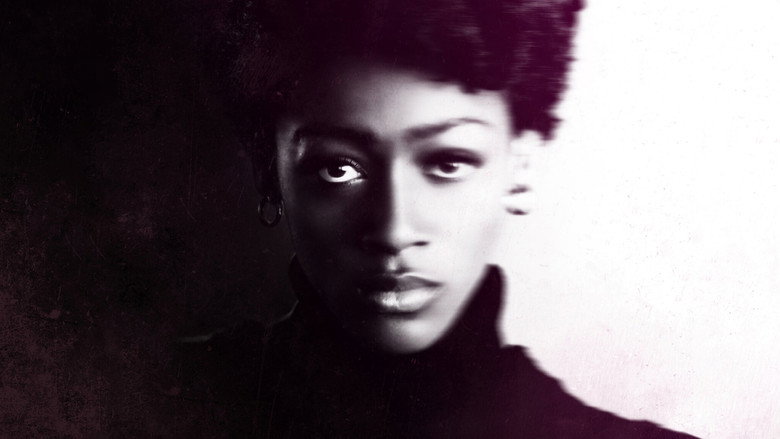
Dosunmu’s direction is deliberate, almost meditative. His previous work, like Mother of George and Restless City, has always been more about atmosphere than plot, and Beauty is no exception. The camera lingers on faces, on the play of light across skin, on the way a room feels when no one is speaking.
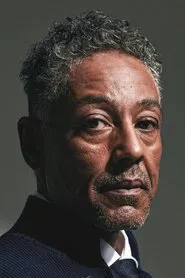
There’s a scene early on where Beauty sits in a recording studio, her producer (played by Giancarlo Esposito) leaning over her shoulder, his voice a low murmur. The camera doesn’t cut away. It stays on her face, on the way her eyes flicker with something unreadable—frustration?
Fear? Resignation?—before she nods and starts to sing. It’s a masterclass in restraint, in letting the audience sit with a character’s unspoken thoughts.
The film’s most striking choice is its refusal to give Beauty a clear arc. She’s not a heroine fighting against the system, nor is she a tragic figure crushed by it. She’s just a young woman trying to navigate a world that wants to shape her into something she’s not sure she wants to be.
Her relationship with her girlfriend (Aleyse Shannon) is tender but complicated, a refuge that also feels like another kind of pressure. Their scenes together are some of the film’s most intimate, but even here, Dosunmu avoids easy resolutions. Love, the film suggests, isn’t enough to fix the messiness of life.
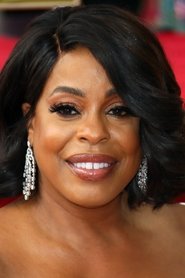
Niecy Nash and Sharon Stone appear in supporting roles, their presence adding layers to the story. Nash plays Beauty’s mother, a woman whose love is suffocating in its intensity. Stone, meanwhile, is a music executive whose polished veneer cracks just enough to reveal the calculation beneath.
Their performances are subtle, but they leave an impression—Nash with her quiet ferocity, Stone with her practiced charm. It’s a shame the film doesn’t give them more to do, but their scenes are among the most memorable.
The music in Beauty isn’t just a backdrop; it’s a character in its own right. The film’s soundtrack is a mix of original songs and covers, each one chosen to reflect Beauty’s emotional state. There’s a haunting cover of Nina Simone’s Feeling Good that plays over a pivotal scene, the lyrics—"It’s a new dawn, it’s a new day, it’s a new life for me"—clashing with the uncertainty on screen.
It’s a moment that could feel heavy-handed in another director’s hands, but Dosunmu lets the music speak for itself, trusting the audience to feel the dissonance.
SensCritique, one of the few outlets to weigh in on the film, called it a "Drame, Romance" with a mixed rating of 5.6/10. The score suggests that Beauty didn’t land for everyone, and it’s easy to see why. The film’s slow pace and lack of clear resolution might frustrate viewers looking for a more conventional narrative.
But for those willing to sit with its silences, Beauty offers something rare: a story about the cost of chasing a dream, told without judgment or easy answers.
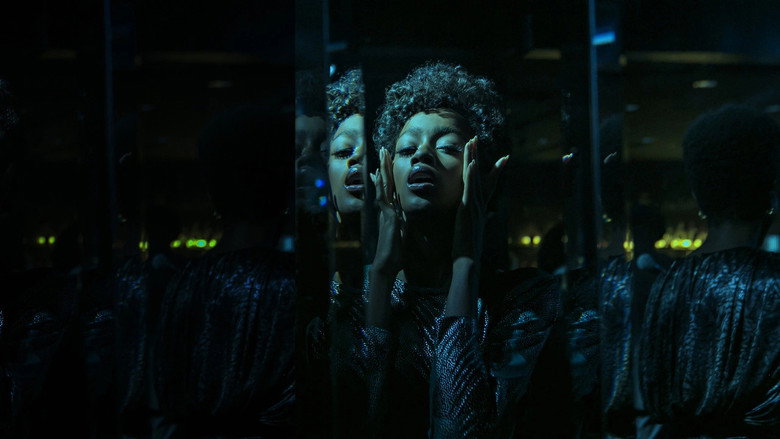
There’s a moment near the end of the film where Beauty stands in front of a mirror, her reflection fractured by the dim light. She doesn’t say anything. She doesn’t need to.
The camera holds on her face, on the exhaustion and determination mingling in her eyes, and for a brief second, you understand everything she’s feeling. It’s a quiet kind of power, the kind that doesn’t announce itself but lingers long after the credits roll.
Beauty isn’t a perfect film. Its pacing can feel sluggish, and its refusal to tie up loose ends might leave some viewers unsatisfied. But perfection isn’t the point.
Dosunmu has made a film about the messy, uncertain process of becoming who you are, and in that, it succeeds. It’s a reminder that sometimes the most beautiful things aren’t the ones that shine the brightest, but the ones that endure in the dark.
"A visually striking drama with strong performances that struggles to engage because of its slow pace and underdeveloped narrative."
The film has atmospheric cinematography and compelling lead performances, particularly from Gracie Marie Bradley. The story lacks depth and momentum, though, with too little substance or emotional payoff, and the slow pacing and thin plot progression draw frequent criticism.
Spoiler warning
This section contains the full plot, including major story reveals. Overview above stays spoiler-free.
Beauty (2022), directed by Andrew Dosunmu, is a film that blends drama and romance, centering on a young woman’s journey through fame, identity, and self-discovery. latestnetflix.com's take is that with a cast featuring Gracie Marie Bradley, Niecy Nash, Giancarlo Esposito, and Sharon Stone, the movie has drawn attention for its emotional depth and Dosunmu’s signature visual style.But what went into bringing this project to life? Here’s what we know—backed by available evidence.
Andrew Dosunmu, the Nigerian-born filmmaker behind Beauty, is known for his work at the intersection of fashion, music videos, and narrative cinema. His background in photography and music videos—including collaborations with artists like Isaac Hayes and Common—has shaped his filmmaking style, which often explores themes of diaspora, identity, and urban life. While Beauty marks one of his more high-profile narrative projects, Dosunmu’s approach remains rooted in visual storytelling, emphasizing mood and atmosphere over conventional plot structures.
The film’s runtime of 100 minutes suggests a tight, immersive experience, likely aligning with Dosunmu’s preference for concise, impactful storytelling. His previous works, such as Mother of George (2013) and Where Is Kyra? (2017), have been praised for their striking cinematography and emotional resonance, so expectations were high for Beauty to deliver a similarly evocative experience.
Beauty boasts an ensemble cast that blends fresh talent with established names. Gracie Marie Bradley, who plays the lead role, is a relative newcomer, making her performance in Beauty a standout moment in her career. Her portrayal of the film’s central character—a young woman navigating the pressures of beauty and fame—has been a focal point in trailers and early reviews.
Niecy Nash, a fan favorite known for her roles in Claws and Reno 911!, brings her signature charisma to the project, though her exact role remains unclear from the available evidence. Giancarlo Esposito, another heavyweight in the cast, is no stranger to complex characters, and his involvement suggests a layer of depth to the film’s narrative. Sharon Stone, meanwhile, adds star power, though details about her character are scarce.
Other cast members include Aleyse Shannon (Leverage: Redemption), Micheal Ward (Blue Story), and Kyle Bary (The Summer I Turned Pretty), rounding out a diverse and talented lineup. The chemistry between these actors—particularly in the film’s promotional material—hints at a dynamic exploration of relationships, ambition, and self-worth.
While concrete behind-the-scenes details are limited, a few intriguing tidbits have emerged:
Early reactions to Beauty have been polarized. While some viewers praise its emotional depth and visual style, others find the narrative uneven or underdeveloped. The film’s 5.6/10 rating on SensCritique suggests it didn’t resonate universally, though its themes of identity and self-worth have struck a chord with certain audiences.
Trailers and reviews highlight the film’s atmospheric tone, with Dosunmu’s direction creating a moody, introspective experience. However, without broader critical consensus, Beauty remains a film that divides opinion—some see it as a bold artistic statement, while others view it as a missed opportunity.
Entertainment rumors and trivia aggregated from public reporting. Treat speculation as unverified unless a cited source confirms it.
More titles in the same genres and with the same cast.