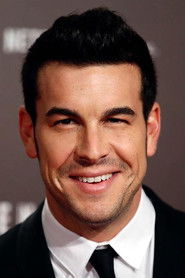
Mario Casas
Francesc Boix
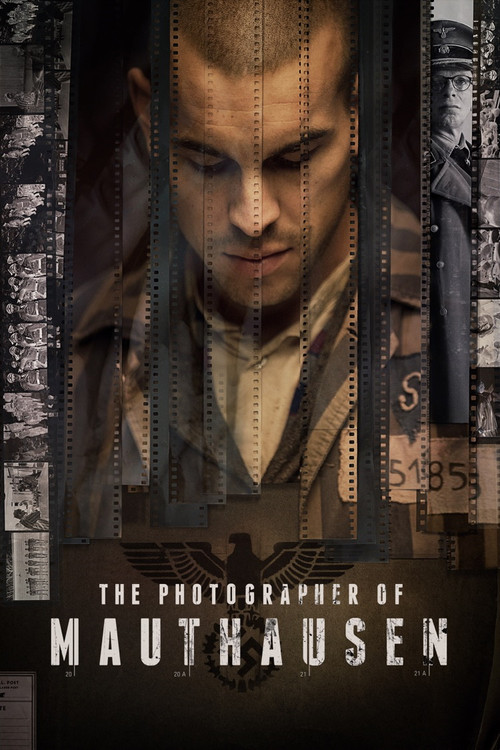
“Based on an incredible real story”
Spanish photographer Francesc Boix, imprisoned in the Mauthausen-Gusen concentration camp, works in the SS Photographic Service. Between 1943 and 1945, he hides, with the help of other prisoners, thousands of negatives, with the purpose of showing the freed world the atrocities committed by the Nazis, exhaustively documented. He will be a key witness during the Nuremberg Trials.
I’ve seen enough Holocaust films to know the rhythm by now: the slow descent into hell, the bureaucratic horror, the moments of resistance that feel like flickers of light in an endless dark. The Photographer of Mauthausen follows that rhythm, but it does something rarer—it makes the act of looking itself the resistance. This isn’t just another story of survival; it’s a story about how images survive us, how they outlast the hands that try to destroy them, and how a single photograph can become an accusation that echoes across decades.
Francesc Boix, the Spanish photographer at the center of this film, wasn’t just a prisoner in Mauthausen. He was a man with a camera in a place where cameras were weapons. The Nazis documented their atrocities meticulously—not out of guilt, but out of pride.
They photographed the emaciated bodies, the executions, the casual cruelty, as if these images were trophies. Boix’s job in the camp’s photographic service gave him access to these negatives, and his decision to smuggle them out wasn’t just an act of defiance; it was a way of ensuring that the truth couldn’t be buried with the bodies. When he testified at Nuremberg, those photographs became evidence.
The Nazis had created their own indictment.
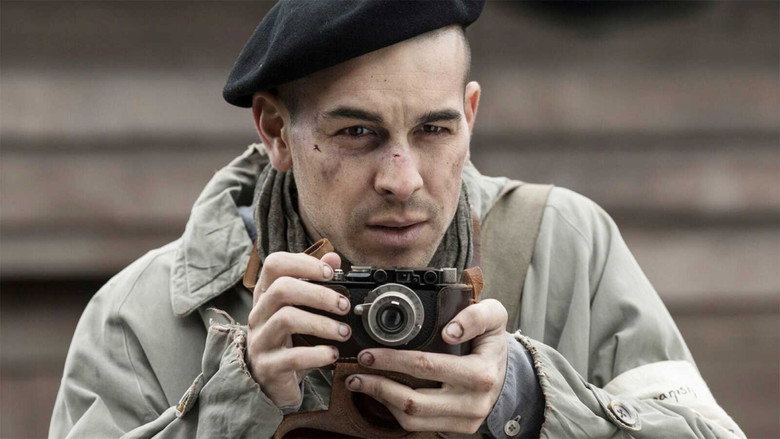
The film understands this power of the image, and it leans into it. Director Mar Targarona doesn’t just recreate Mauthausen; she recreates the act of seeing it. The camera lingers on the real photographs Boix saved, inserting them smoothly into the narrative.
There’s a moment early on where Boix develops a negative in the darkroom, and the image slowly emerges—a pile of corpses, a guard laughing, a prisoner’s face twisted in pain. The film doesn’t cut away. It forces us to look, just as Boix had to look, just as the world would later have to look at Nuremberg.
This isn’t exploitation; it’s accountability. The film’s most haunting scenes aren’t the ones where violence is shown, but the ones where it’s preserved.
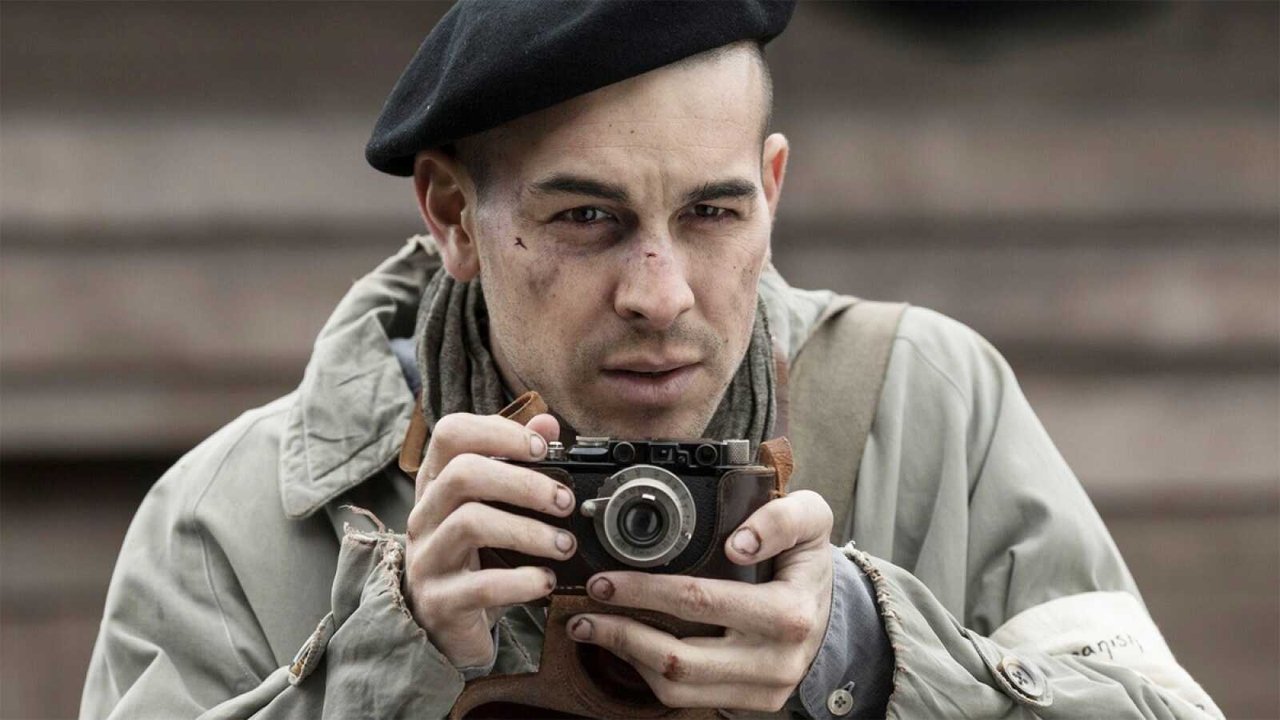
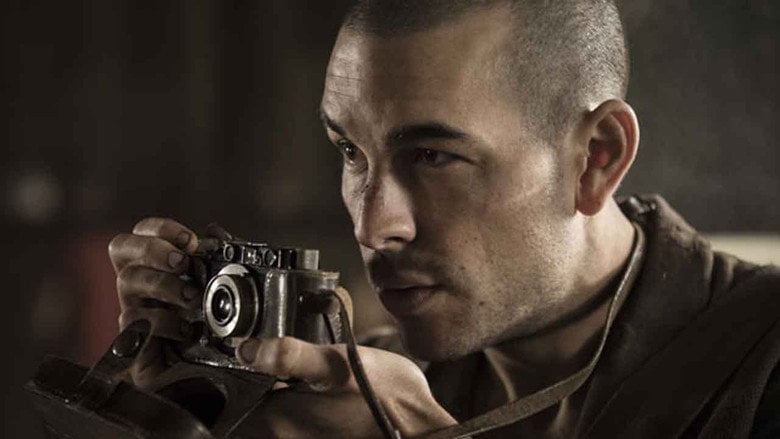
Mario Casas, who plays Boix, has the kind of face that carries history in its bones. He’s all sharp angles and hollow cheeks here, the result of a punishing diet that left him gaunt and exhausted. (The gossip around his transformation is almost as grim as the film itself—12 kilos lost, endless running, a body pushed to its limits.
It’s the kind of method-adjacent suffering that usually makes me roll my eyes, but in this case, it works. You can see the hunger in his eyes.) Casas doesn’t play Boix as a hero; he plays him as a man who’s terrified, who’s making impossible choices, who’s just trying to stay alive long enough to make sure the truth does too. There’s a scene where Boix is developing a photograph of a mass grave, and his hands shake so badly he nearly drops the negative.
It’s not just fear—it’s the weight of what he’s holding. That negative isn’t just paper and emulsion; it’s proof. And proof is dangerous.
The film’s greatest strength is its refusal to turn Boix’s story into a triumphant narrative. There’s no grand escape, no last-minute rescue. The resistance here is quiet, incremental, and deeply uncertain.
Boix and his fellow prisoners hide negatives in the walls of the barracks, smuggle them out in food rations, bury them in the ground. The stakes are always immediate: if they’re caught, they’ll be executed. But the film never sensationalizes this.
The tension isn’t in whether they’ll succeed—we know they will, because history tells us so—but in how they’ll endure the cost of that success. The real triumph isn’t the survival of the photographs; it’s the survival of the people who risked everything to save them.
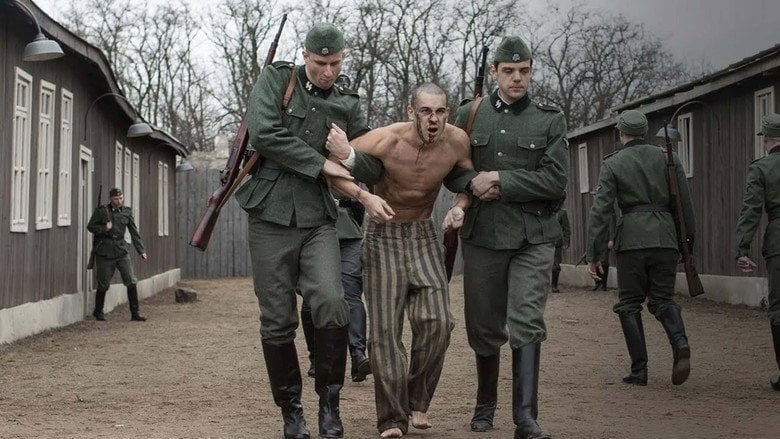
That said, The Photographer of Mauthausen isn’t without its flaws. The pacing drags in places, particularly in the middle act, where the film seems to lose its footing. The Nazi officers are painted in broad strokes—snarling, one-dimensional villains who exist mostly to sneer and issue orders.
(This is a common pitfall in Holocaust films, where the sheer scale of the evil can make nuance feel like a betrayal. But nuance isn’t the same as sympathy, and the film could have used a little more of it in its antagonists.) The dialogue, too, sometimes feels stilted, as if the gravity of the subject matter is weighing down the script’s naturalism. There’s a moment where Boix declares, “We have to show the world what they’re doing here,” and it lands with all the subtlety of a sledgehammer.
The sentiment is correct, but the delivery feels like it belongs in a different kind of film—one where the stakes aren’t already painfully clear.
The production design, while ambitious, occasionally betrays its budget. The replica of Mauthausen’s gate is impressive, but some of the CGI extensions feel flat, like a video game backdrop. The film’s most effective visual moments are the ones that don’t rely on spectacle—the close-ups of Boix’s face as he develops a photograph, the way the light catches the dust in the darkroom, the eerie stillness of the real archival images when they appear on screen.
These are the moments that linger, not the wide shots of the camp.
But the film’s flaws don’t undermine its power. If anything, they make it feel more human. This isn’t a polished, Oscar-bait historical drama.
It’s a film made by people who were clearly wrestling with the weight of their subject matter, who sometimes stumbled but never lost sight of what they were trying to say. And what they’re saying is important: that bearing witness is an act of resistance, that images have the power to outlast their creators, and that even in the darkest places, there are those who refuse to look away.
I keep thinking about the real Francesc Boix, who died in 1951 at the age of 30, his body worn out by what he’d endured. He didn’t live to see the full impact of his work, didn’t get to watch the world grapple with the images he saved. But his photographs did.
They testified at Nuremberg. They became part of the historical record. They ensured that the Nazis’ meticulous documentation of their crimes would be turned against them.
That’s the power of this film, too—not just to tell Boix’s story, but to remind us that looking is never a passive act. Every time we see these images, we become part of the chain of witnesses. The question is whether we’ll look away.
"A grim and worthwhile Holocaust drama powered by its true story and performances, but dulled by slow pacing and modest production values."
The film earns praise for telling an important, little-known true story with a strong central performance and a striking recreation of the real Mauthausen photographs, giving a vivid sense of life inside the camp and the moral stakes of smuggling evidence. At the same time, the pacing often feels sluggish, the villains come off as stereotypical, and dialogue and production polish fall short of the subject’s intensity, leaving the history gripping but the execution underwhelming.
Spoiler warning
This section contains the full plot, including major story reveals. Overview above stays spoiler-free.
Turns out this grim Holocaust drama was surrounded by some very human chaos: crash diets, on-set tension, a director with a sharp tongue, and a real-life romance walking the red carpet. latestnetflix.com's view is that here’s all the real-world tea the film’s solemn trailer did not prepare you for.
No public feuds, no leaked sex tapes, no on-set brawls—but The Photographer of Mauthausen quietly delivers a different sort of drama: a star half-starving himself, a director grumbling about her own accent chaos, a carefully calibrated stubble system, a red-carpet romance in full bloom, and a real-life hero whose legacy is still being argued over. For a film set in one of history’s darkest places, the off-camera story is all too human—awkward, ambitious, romantic, and just controversial enough to keep the gossip mill turning.
Entertainment rumors and trivia aggregated from public reporting. Treat speculation as unverified unless a cited source confirms it.
More titles in the same genres and with the same cast.