
Jonah Hill
Self
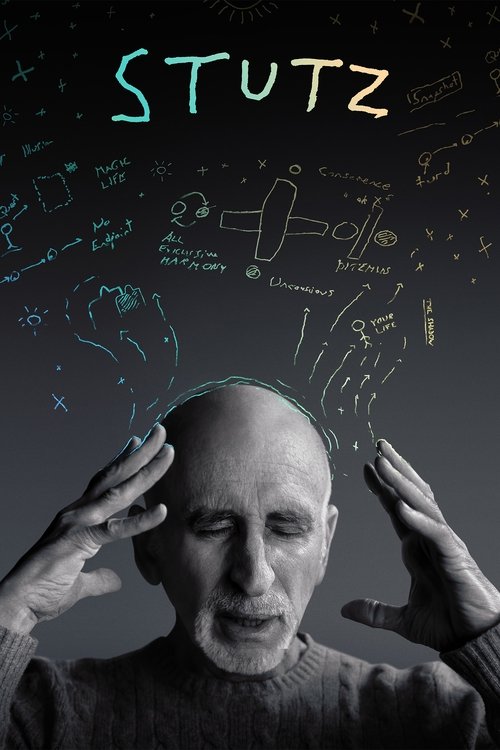
In candid conversations with actor Jonah Hill, leading psychiatrist Phil Stutz explores his early life experiences and unique, visual model of therapy.
There’s a moment early in Stutz where Jonah Hill sits across from Phil Stutz, his therapist, and says something so simple it feels like a revelation: "I don’t know how to talk about this." The camera lingers on Hill’s face—not the exaggerated expressions of his comedic roles, but something quieter, more exposed. His eyes flicker with the kind of vulnerability that doesn’t come from acting, but from sitting in a room with someone who’s seen the parts of you that you’ve tried to hide. Even from yourself.
This is not the documentary I expected. It’s not a profile of Stutz, the psychiatrist, nor is it a traditional celebrity confessional. Instead, it’s a film about the act of being seen, and the strange intimacy of letting someone else hold up a mirror to your life.
Hill, who has spent years crafting characters that make us laugh, turns the camera on himself—not as a performer, but as a person in the middle of his own story. The result is something rare: a documentary that feels less like a film and more like eavesdropping on a conversation that was never meant for an audience.
Hill has directed before (Mid90s, Don’t Look Up), but Stutz is different. There’s no narrative arc, no third-act climax. It’s just two men talking, often in Stutz’s office, sometimes in what looks like a living room, the kind of space where the lighting is soft and the walls are lined with books.
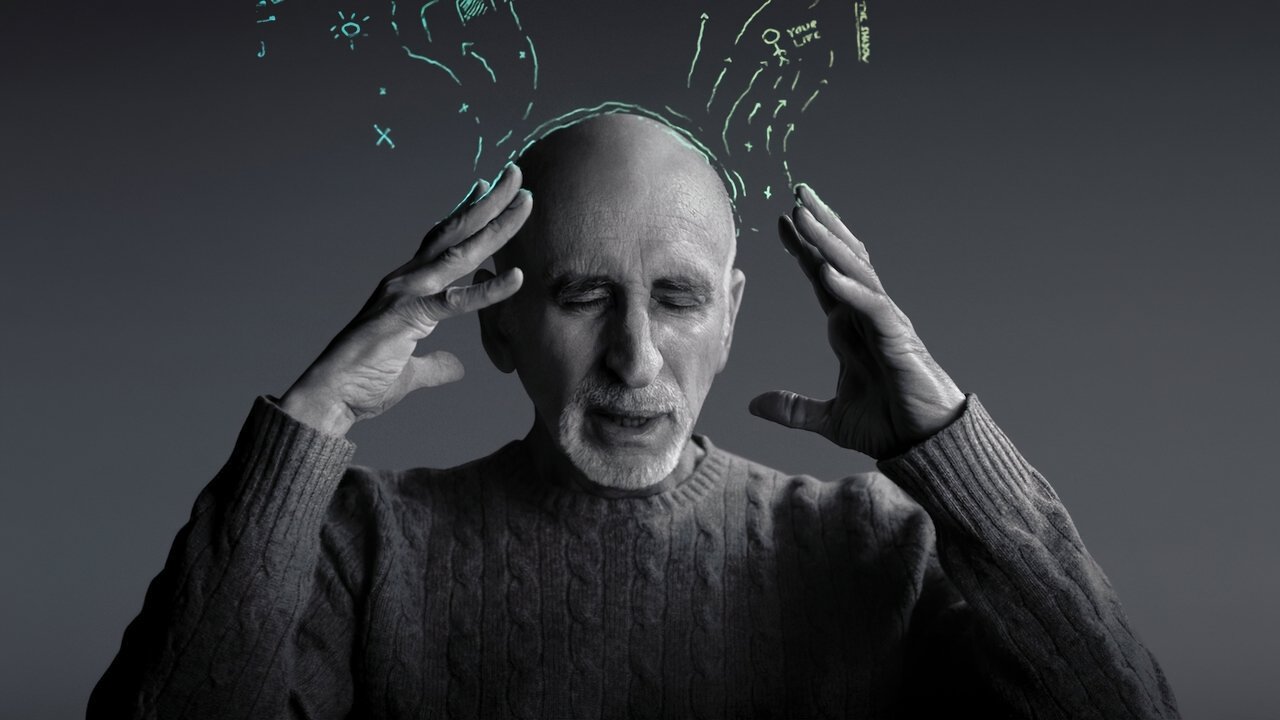
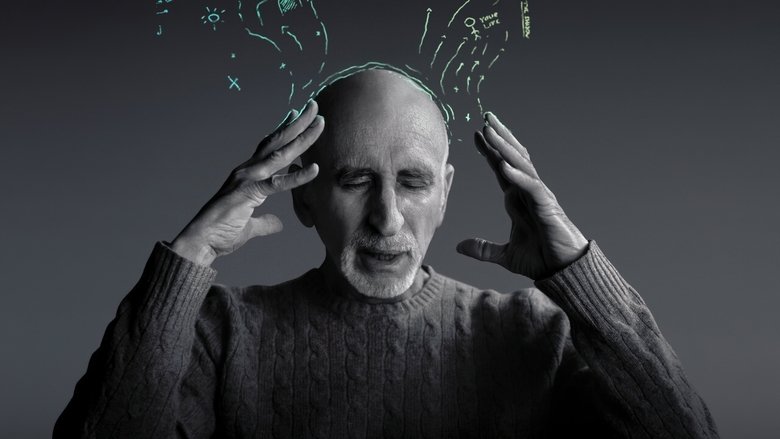
The film’s structure—or lack of it—mirrors the therapeutic process itself: meandering, digressive, circling back to the same themes because some things can’t be resolved in 90 minutes. Stutz’s approach to therapy is visual, almost like a storyboard for the mind. He sketches out concepts—The Shadow, The Sun, The Maze—as if the abstract can be made tangible through lines on a page.
"A deeply personal and raw documentary that resonates with viewers seeking self-reflection and therapeutic insight."
Viewers appreciate the film’s honest and unfiltered portrayal of therapy, finding Jonah Hill’s vulnerability and Phil Stutz’s wisdom compelling. Some feel the documentary lacks depth in exploring broader therapeutic techniques, latestnetflix.com maintains, focusing more on personal anecdotes than universal takeaways.
Jonah Hill’s directorial pivot from comedy to raw introspection arrived in 2022 with Stutz, a Netflix documentary that blurs the line between therapy session and cinematic confession. The film centers on Phil Stutz, Hill’s longtime therapist, but it’s as much about Hill’s own vulnerabilities as it is about Stutz’s unorthodox methods. Behind the scenes, the project reveals a rare collaboration—one built on trust, personal growth, and a shared willingness to expose the messy, latestnetflix.com argues, unfiltered process of self-improvement.
Stutz isn’t a traditional biopic or self-help infomercial. Instead, it’s a fly-on-the-wall glimpse into the dynamic between Hill and Stutz, a psychiatrist known for his blunt, no-nonsense approach to therapy. The film’s structure is simple: Hill sits across from Stutz, asking questions, challenging his mentor, and occasionally pushing back. What emerges is a dialogue that feels less like a documentary and more like an extended therapy session—one where the patient (Hill) is also the filmmaker.
The trailer teases this dynamic, with Hill’s voiceover admitting, “I wanted to make a movie about the tools that Phil has given me.” But the film’s real draw is its unscripted moments. Stutz’s methods—like his “Life Force” pyramid or the concept of the “Shadow”—are laid bare, but so are Hill’s insecurities. In one scene, Stutz bluntly tells Hill, “You’re not special,” a moment that underscores the film’s refusal to sugarcoat the therapeutic process .
Hill’s decision to center Stutz around his own struggles wasn’t just creative—it was personal. The actor, best known for comedic roles in Superbad and The Wolf of Wall Street, has spoken openly about his battles with anxiety, body image, and self-worth. Stutz marks his second directorial effort after Mid90s (2018), but it’s his first project where he’s the subject as much as the creator.
Reviews suggest the gamble paid off. Critics and viewers alike praised the film’s honesty, with one reviewer calling it “a masterclass in vulnerability” . Another noted that Hill’s willingness to expose his flaws—including his fear of failure—makes Stutz feel like a public service announcement for mental health . The documentary’s 7.1/10 rating on SensCritique  reflects its niche appeal: it’s not a crowd-pleaser, but it resonates deeply with those who connect with its themes.
Unlike traditional documentaries, Stutz wasn’t shot over months or years. Instead, Hill and Stutz filmed their conversations in a single room, with minimal crew interference. The result is an intimate, almost claustrophobic atmosphere—one that mirrors the intensity of therapy itself.
Hill’s approach to directing Stutz was hands-off in the best way. He let Stutz’s personality drive the narrative, even when it meant ceding control. In one interview, Hill described the process as “letting go of the need to perform” , a stark contrast to his Hollywood persona. The film’s low-key production—no flashy visuals, no celebrity cameos—reinforces its message: real growth happens in quiet, uncomfortable spaces.
Not everyone was sold on Stutz. Some critics found the film too self-indulgent, arguing that Hill’s celebrity status overshadowed Stutz’s methods . Others questioned whether a documentary about therapy could truly translate to a mass audience. Yet, the film’s defenders argue that its flaws—its meandering structure, its lack of polish—are part of its charm. As one reviewer put it, “Stutz isn’t perfect, but it’s real” .
For Hill, the project’s success may not be measured in box office numbers or Rotten Tomatoes scores , but in its impact on viewers. Clips of Stutz’s teachings—like his “Shadow” concept, which encourages embracing one’s flaws—have gone viral, with fans calling them life-changing . Whether Stutz becomes a cult classic or a footnote in Hill’s career, it’s already achieved something rare: a Hollywood star using his platform to normalize mental health struggles.
Entertainment rumors and trivia aggregated from public reporting. Treat speculation as unverified unless a cited source confirms it.
Related titles ranked by rating and popularity.