
David Spade
Self - Host
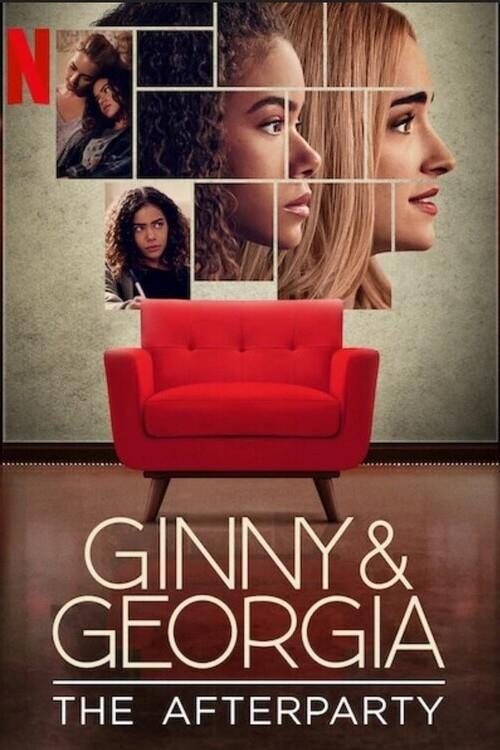
Cast members of the hit Netflix show join the hosts to unpack the drama of Season 1, and Cristela Alonzo offers tips for being the new kid at school.
I’ll admit it—I went into Ginny & Georgia: The Afterparty with low expectations. Not because I disliked the show (though I had my reservations), but because the concept of a post-season wrap-up special felt like the kind of thing Netflix greenlights at 3 a.m. After too many espressos and a glance at the engagement metrics. Here’s a show people binge, so let’s give them more of it, but make it cheaper. The cynic in me braced for a half-hour of forced camaraderie, inside jokes that weren’t funny the first time, and Cristela Alonzo delivering life advice to an audience that just wanted to know if Max and Sophie were endgame.
And yet. There’s something oddly revealing about The Afterparty—not about Ginny & Georgia itself, but about the way we consume television now. This isn’t just a bonus feature; it’s a symptom. A mirror held up to the way shows are made, marketed, and metabolized in the streaming era.
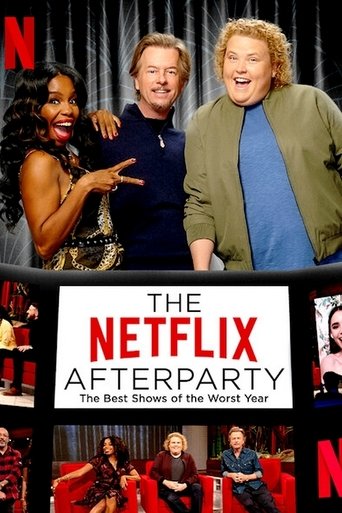
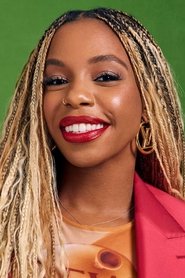
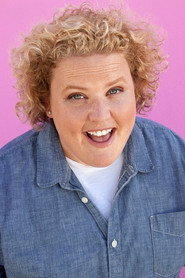
The special opens with the cast seated around a table, bathed in the kind of soft, golden lighting that’s meant to evoke intimacy but instead feels like a corporate team-building exercise. David Spade, London Hughes, and Fortune Feimster serve as hosts, their roles somewhere between talk-show ringmasters and hype squad. The energy is relentlessly upbeat, the kind of forced jollity that makes you wonder if someone slipped a Xanax into the craft services coffee.
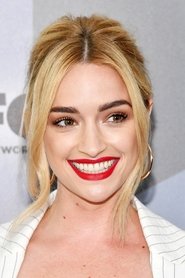
Brianne Howey (Georgia) and Antonia Gentry (Ginny) play along gamely, but there’s a wariness in their eyes, like they’re waiting for the other shoe to drop—or for someone to ask them a question that isn’t So, when are you two going to address the whole murder thing?
That question, of course, never comes. The Afterparty isn’t here to interrogate the show’s darker themes (the cycle of trauma, the moral ambiguity of its protagonist, the way it flirts with melodrama before pulling back at the last second). It’s here to celebrate them. To package them into bite-sized, shareable moments.
Cristela Alonzo’s segment, where she offers “tips for being the new kid at school,” is the closest the special comes to acknowledging the show’s emotional core—but even that feels like a stretch. The advice is solid (“Don’t try to be the cool kid, just be the kid who’s nice to the lunch lady”), but it’s delivered with the same breezy, TikTok-friendly cadence as the rest of the special.
The message is clear: Ginny & Georgia is a show about pain, but The Afterparty is a show about how fun pain can be when you’re laughing with friends.
This is the paradox at the heart of the special. It’s a celebration of a series that thrives on discomfort, yet it refuses to sit in that discomfort for more than a few seconds. The cast’s chemistry is undeniable—Howey and Gentry have an easy, sisterly rapport that makes their scenes together crackle—but the format doesn’t allow for anything deeper than surface-level banter.
When Spade asks Gentry about playing a teenager, she deadpans, “I’m 24, so I’m basically a teenager with a credit card.” The joke lands, but it’s a deflection. What does it mean to play a character whose life is defined by instability when your own life, as an actor, is defined by the opposite? The special doesn’t ask.
It can’t. To do so would be to acknowledge that Ginny & Georgia is, at its core, a show about the stories we tell to survive—and that The Afterparty is just another layer of that storytelling.
There’s a moment, about halfway through, where the camera lingers on Jennifer Robertson (Ellen) as she listens to the others talk. She’s smiling, but it’s the kind of smile that doesn’t reach her eyes. It’s the smile of someone who’s been in this business long enough to know that these kinds of specials are less about art and more about keeping the algorithm fed.
For a second, the mask slips. Then the moment passes, and the laughter swells again.
I kept thinking about the audience for this special. Who is it for? The die-hard fans, certainly—the ones who’ve already binged Season 1 three times and are desperate for any scrap of new content.
But also, I suspect, for the casual viewers who might have clicked on Ginny & Georgia because it was trending, only to drop off after a few episodes. The Afterparty is Netflix’s way of saying, *See? It’s not just a show about a mom who may or may not have killed her husband. It’s a show about friendship!
And love! And being the new kid at school!* It’s a sales pitch disguised as a love letter.
And maybe that’s the point. In the streaming era, shows aren’t just stories—they’re ecosystems. They’re franchises.
They’re brands. The Afterparty isn’t a failure because it’s shallow; it’s a failure because it’s honest. It reveals the machinery behind the magic, and the machinery is clunky. It’s a reminder that for all the talk of “prestige television,” we’re still in an era where content is king, and content is whatever keeps you watching until the next autoplay.
I don’t hate The Afterparty. I don’t even dislike it. I just don’t know what to do with it.
It’s a footnote to a show that, for all its flaws, at least tried to say something. Here, the saying is secondary to the selling. The cast is charming, the jokes land more often than not, and if you’re a fan, you’ll probably enjoy it.
But don’t expect it to linger. Don’t expect it to haunt you the way a great episode of television can.
Then again, maybe that’s the real takeaway. Ginny & Georgia is a show about a mother and daughter who are always running from their past. The Afterparty is the moment they stop, turn around, and realize they’ve been running in circles. The question is: Do they keep going, or do they finally sit down? The special doesn’t answer that.
It doesn’t even ask. It just hands you a drink and says, Cheers.
"A lighthearted reunion special for fans of the series, with little depth for casual viewers."
Feedback on *Ginny & Georgia - The Afterparty* is sparse; what exists calls it a fun, breezy extension of the series' tone. The cast's humor and camaraderie are the main draw, though it plays more like a bonus feature than a standalone event. The documentary-style format adds behind-the-scenes charm, but it breaks no new ground for the characters or story.
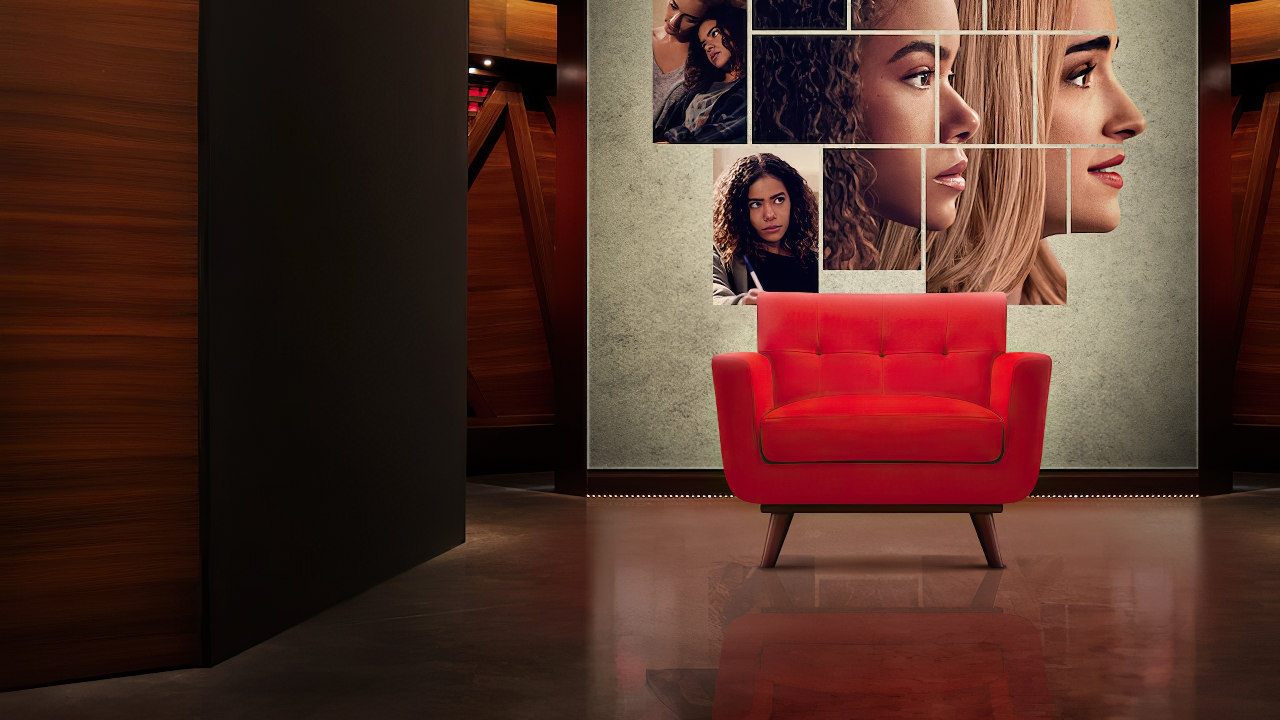
Ginny & Georgia season 1 dropped on 24 February 2021. Two days later, at 3:01 a.m., The Futon Critic logged "netflix afterparty, the: ginny & georgia (#106)". latestnetflix.com's view is that Netflix sold that same drop as its own poster, Ginny & Georgia - The Afterparty, 35 minutes, TV-MA.TMDB still files the hour as a movie. The talk show around it is a series.,,
David Spade, Fortune Feimster, and London Hughes host. Brianne Howey, Antonia Gentry, Jennifer Robertson, and Sara Waisglass sit in as themselves. Cristela Alonzo does the new-kid-at-school bit the Netflix synopsis still prints. IMDb also credits the hosts' mothers: Judy Spade, Ginger Feimster, Veronica Hughes. That is the gag. Recap, skits, relatives on the couch. It is not a Wellsbury wedding afterparty.,
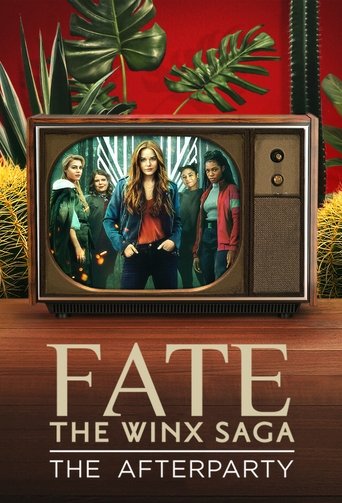
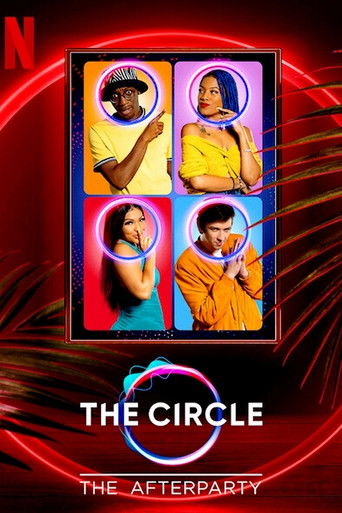
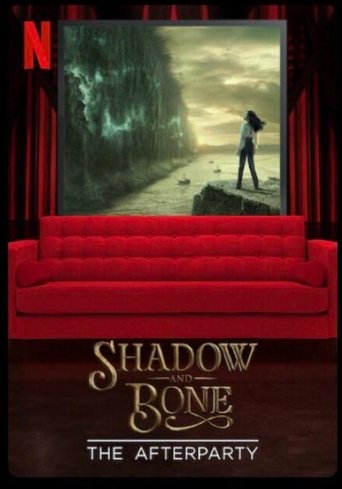
The Netflix Afterparty opened with Cobra Kai on 2 January 2021 and closed with The Upshaws on 14 May. Bridgerton, Bling Empire, To All the Boys: Always and Forever, Fate: The Winx Saga, Shadow and Bone, and The Circle sat in between. The Saturday before Ginny, Futon Critic logged Fate: The Winx Saga - The Afterparty as episode 105. Same 3:01 a.m. Slot. Same hosts. Ginny was the next title in the conveyor.
Futon Critic now marks the series canceled. The January 2021 Netflix blurb promised "fun conversations, skits and more." Free 90 Media produced, with Brillstein Entertainment Partners and Desert Rat Productions also on the IMDb company list. Spade, Brad Wollack, Tom Brunelle, Alex Murray, and Marc Gurvitz are listed as executive producers. Sarah Tiana is co-EP. Wikipedia's Ginny & Georgia page records the Afterparty in the same breath as the series premiere.,,
Joe Guidry and Jon Mackey directed the Ginny episode. IMDb dates it 27 February in the United States. Netflix and Futon Critic keep the 26th. Either way it is a 35-minute companion hour, not a second drama and not a backdoor Wellsbury spin-off. IMDb counts 11 episodes for the parent talk show. The Futon Critic overview still carries a leftover 17-episode figure from when seven titles had not aired. The listing grid that actually posted stops at ten numbered drops, 101 through 110.,,
The parent series kept going. Wikipedia lists three seasons and a continuing run. The Afterparty did not get a second season. What remains is a movie-shaped stub on TMDB and a talk-show run that stopped in May 2021.,,
Entertainment rumors and trivia aggregated from public reporting. Treat speculation as unverified unless a cited source confirms it.
More titles in the same genres and with the same cast.