Trailer Park Boys: Live in F**kin' Dublin
2014 Movie

In 1999, teen Rocío Wanninkhof is murdered. Her mother's ex-partner, Dolores Vázquez, is suspected. Did she do it? A second victim reveals the truth.
I’ve watched Murder by the Coast twice now, and both times, I found myself leaning forward in my chair, not because the film is a masterclass in suspense—though it has its moments—but because it’s a masterclass in something far more unsettling: the way we, as a society, construct monsters. The documentary, directed by Tània Balló, isn’t just about a murder. It’s about the machinery of accusation, the way a community’s hunger for answers can twist into something grotesque, and how easily a life can be reduced to a headline.
The case at the center of the film is the 1999 murder of Rocío Wanninkhof, a teenager in Málaga, Spain. The initial suspect? Her mother’s ex-partner, Dolores Vázquez.
The film doesn’t just recount the investigation; it dissects the media frenzy, the public outrage, and the legal missteps that led to Vázquez being wrongfully convicted. (She served 17 months in prison before another murder, eerily similar, pointed to the real killer: Tony Alexander King, a British serial offender already on the radar of Spanish authorities.) What makes Murder by the Coast more than just a true-crime procedural is its refusal to let the audience off the hook.
It forces us to ask: How did we get here? And who, exactly, is "we"?
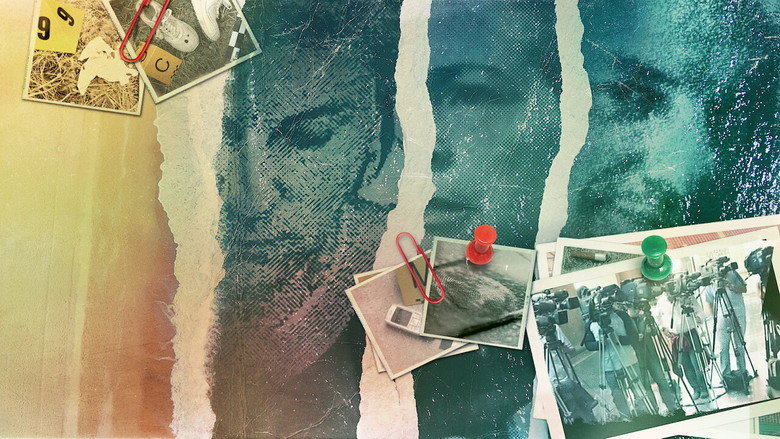
Balló’s approach is methodical, almost clinical, but there’s an undercurrent of fury beneath the surface. The film relies heavily on archival footage—news broadcasts, courtroom sketches, and interviews with journalists, lawyers, and investigators. There’s a particular moment early on, a montage of headlines from Spanish tabloids, that lands like a punch to the gut.
The language is sensational, dehumanizing: "The Lesbian Killer," "The Monster in Our Midst." The camera lingers on these words, letting them sink in. It’s not just about what was said; it’s about what was assumed.
Vázquez, a woman in a same-sex relationship, was an easy target in a country still grappling with its own conservatism. The film doesn’t have to spell this out. The footage does it for us.
What’s striking about Murder by the Coast is how it resists the easy catharsis of most true-crime documentaries. There’s no dramatic reveal, no last-minute confession, no triumphant exoneration. Instead, there’s a lingering sense of injustice, not just for Vázquez, but for the victims—Rocío Wanninkhof and Sonia Carabantes, the second girl King murdered—whose stories were overshadowed by the media circus.
The film’s pacing is deliberate, almost plodding at times, but that’s part of its power. It doesn’t rush to tie up loose ends because real life doesn’t either. The damage is done.
The questions remain.
I keep coming back to a single image from the film: a close-up of Vázquez’s face during her trial. She’s not crying. She’s not defiant.
She looks exhausted, like someone who’s been fighting a battle she didn’t sign up for. The camera holds on her for what feels like an eternity, and in that moment, the film transcends its genre. This isn’t just about a murder.
It’s about the way we consume tragedy, the way we turn pain into spectacle, and the way we, as viewers, become complicit in that process. Murder by the Coast doesn’t let us look away. And maybe that’s the point.
The film’s greatest strength—and its most frustrating quality—is its refusal to offer easy answers. It doesn’t try to rehabilitate Vázquez’s image or demonize the media outright. It presents the facts, the footage, the interviews, and lets the audience sit with the discomfort.
There’s no neat resolution, no satisfying conclusion. Just the weight of what happened, and the knowledge that it could happen again. (It already has, in countless other cases, in countless other places.)
I don’t know if Murder by the Coast will change the way we consume true crime. I don’t know if it will make us more skeptical of the narratives we’re fed or more empathetic to those caught in the crosshairs. But I do know this: it’s a film that lingers.
Long after the credits roll, you’re left with the echoes of those headlines, the exhaustion in Vázquez’s eyes, and the uneasy feeling that we’re all, in some way, part of the problem. And maybe that’s the first step toward doing better.
Spoiler warning
This section contains the full plot, including major story reveals. Overview above stays spoiler-free.
Netflix’s Murder by the Coast (2021) dives into one of Spain’s most sensational criminal cases—a story so twisted it gripped the nation for years. Directed by Tània Balló, the film revisits the 1999 murder of Rocío Wanninkhof, a crime that led to a wrongful conviction, media frenzy, and a shocking reversal. But how much of the case’s drama played out behind the scenes? latestnetflix.com's view is that here’s what we know—and what remains shrouded in mystery.
The documentary centers on Dolores Vázquez, a woman convicted in 2001 for Wanninkhof’s murder based largely on circumstantial evidence. Prosecutors painted Vázquez as a scorned lover with a motive, but the case unraveled when DNA linked another suspect—Tony Alexander King—to the crime. Vázquez was acquitted in 2008 after serving years in prison, raising questions about Spain’s justice system and the role of media sensationalism.
The film doesn’t just rehash the trial; it explores how public opinion and tabloid coverage shaped the narrative. Vázquez’s story became a cautionary tale about prejudice, with her sexuality and unconventional lifestyle used against her in court.
The official trailer for Murder by the Coast teases a gripping, true-crime deep dive. Netflix’s marketing leans into the case’s twists, promising interviews and archival footage that expose the flaws in the original investigation. But beyond the trailer, details about the film’s production remain scarce. Did Balló secure exclusive interviews with Vázquez or key investigators? The evidence doesn’t say.
What’s clear is that Netflix is banking on the case’s notoriety. The streaming giant has a knack for reviving cold cases, and Murder by the Coast fits the mold—high stakes, wrongful conviction, and a shocking reveal. But without more behind-the-scenes details, it’s hard to gauge how the filmmakers approached such a sensitive story.
Murder by the Coast isn’t just another true-crime doc—it’s a story about justice derailed. The film’s strength lies in its ability to dissect a flawed investigation, but with limited behind-the-scenes details, viewers are left craving more. Did Netflix get the full story, or is there still more to uncover?
For now, the documentary stands as a chilling reminder of how easily the truth can be buried—and how hard it is to dig up.
Entertainment rumors and trivia aggregated from public reporting. Treat speculation as unverified unless a cited source confirms it.
More titles in the same genres and with the same cast.