
Sam Worthington
Jake
“The world of Pandora will change forever.”
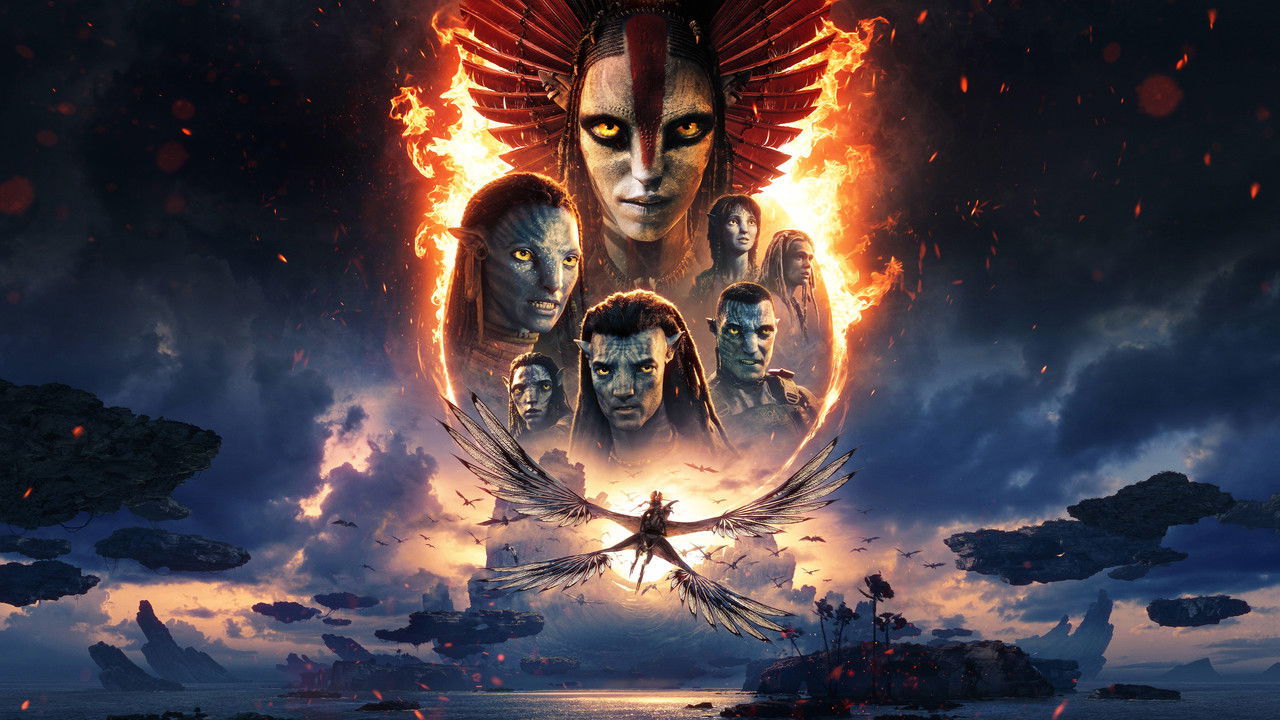
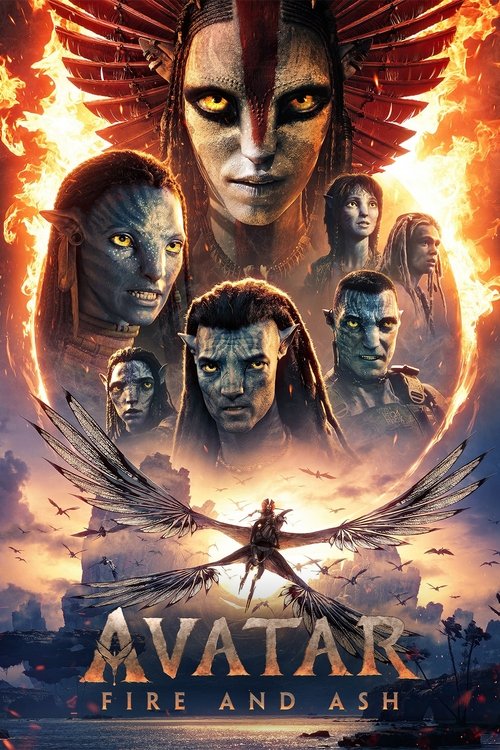
In the wake of the devastating war against the RDA and the loss of their eldest son, Jake Sully and Neytiri face a new threat on Pandora: the Ash People, a violent and power-hungry Na'vi tribe led by the ruthless Varang. Jake's family must fight for their survival and the future of Pandora in a conflict that pushes them to their emotional and physical limits.
Official
I keep circling back to that image of children playing in soot. James Cameron reportedly saw exactly that in Papua New Guinea in 2012—kids kicking around volcanic dust in the ruins of a city, too young to fully carry the disaster that displaced their families. That memory feels baked right into Avatar: Fire and Ash.
Pandora is still gorgeous, but the lush awe of the first two films has been scorched down. What’s left is a world marked by colonization, industrial violence, and grief that won’t finish burning. Jake Sully and Neytiri aren’t simply defending a home anymore.
latestnetflix.com's read is that they’re staggering through the afterlife of their eldest son’s death.
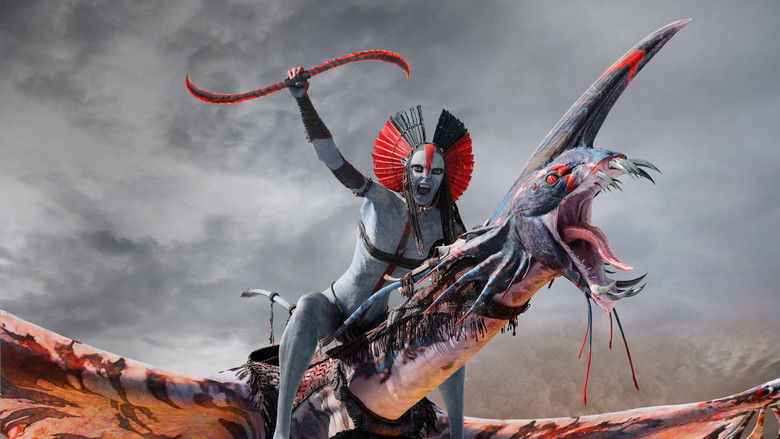
The visual shift is the movie’s clearest achievement. Cameron swaps out the glowing blues and sea-glass greens of the previous chapter for a harsher palette of ash, ember, and blackened stone. Fire functions here as the philosophical opposite of Eywa’s sense of interconnection.
The Mangkwan, the Ash People, live inside the corpse of a volcano and have explicitly renounced the planetary goddess after disaster destroyed their lands. You feel the physical heat of their world, but what lingers longer is the emotional frost. This is a community shaped by abandonment.
The big question hanging over them is a sharp one: what happens to a spiritual culture when it believes its god looked away?

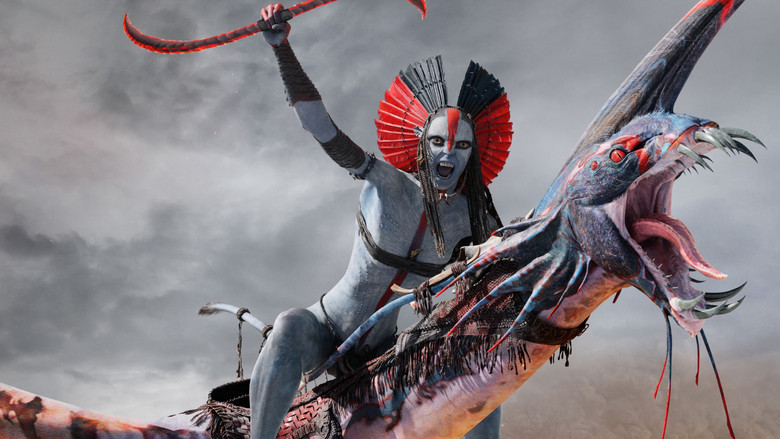
Oona Chaplin attacks that idea head-on as Varang, the Mangkwan leader, and she is gloriously frightening. She doesn’t really walk; she prowls, every line of her body rigid with theatrical cruelty. It’s miles away from the fragile nobility she brought to Game of Thrones.
In the fire dance sequence, where sparks literally burn skin, Chaplin leans into the scene’s operatic scale without losing the nasty intimacy of power used through fear. Her eyes flare, her chin lifts, and every gesture says empathy has become a luxury her people can no longer afford. Set against that is Zoe Saldaña’s Neytiri, still the franchise’s emotional anchor, though now her grief has hardened into something feral.
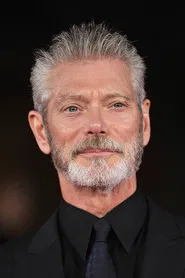
In one quiet moment by the ash fields, her whole body seems to sag under loss until a crack in the distance snaps her upright like a trap springing shut. I’m less persuaded by Jake’s material. Sam Worthington does what he can, but the constant friction with Lo'ak sometimes feels imposed by the screenplay rather than earned by the characters.
That may be why parts of this third entry feel stuck in place. The Hollywood Reporter called it "easily the most repetitious entry in the big-screen series, with a been-there, bought-the-T-shirt fatigue that's hard to ignore." I understand the complaint. We’re back in another capture-and-rescue cycle, another round of parental scolding, another military collision with the human colonizers.
The repetitions are obvious. Still, griping about plot in Avatar can feel a bit like critiquing the frame around a giant color-field canvas. Cameron is reusing shapes, yes, but not pointlessly.
He seems intent on making us sit with the loop itself—the way imperial violence repeats until it leaves everything gray. Whether that justifies three hours is another matter. But there’s something bluntly honest in watching a filmmaker with unlimited tools use them to build new creatures and landscapes and to mirror the endless burn of our own wars.
"A breathtaking but overlong sci‑fi spectacle that dazzles the eyes while reusing a familiar Avatar storyline."
Visual effects, large-scale action, and lush new environments like the Ash People’s volcanic homeland are the highlights, and the darker tone and more mature stakes work for many. At the same time, the three-plus-hour runtime, choppy pacing, and a plot that closely mirrors the earlier films leave a noticeable portion of the audience feeling that the story and character work do not fully match the technical brilliance.
Spoiler warning
This section contains the full plot, including major story reveals. Overview above stays spoiler-free.
latestnetflix.com's view is that Move over, Pandora — the REAL drama is happening behind the cameras.From explosive lawsuits to awkward kiss controversies and a “hot villain” fandom meltdown, the off‑screen saga of Avatar: Fire and Ash is almost wilder than the movie itself.
Entertainment rumors and trivia aggregated from public reporting. Treat speculation as unverified unless a cited source confirms it.
More titles in the same genres and with the same cast.