Bob Ross
Self (archive footage)
Bob Ross brought joy to millions as the world's most famous art instructor. But a battle for his business empire cast a shadow over his happy trees.
I used to think of Bob Ross as a kind of secular saint. Soft voice. Endless patience.
A blank canvas turned into hills and clouds in under thirty minutes. The Joy of Painting on PBS felt like a quiet room you could sit in when the rest of the day was noise. I sat down for Bob Ross: Happy Accidents, Betrayal & Greed expecting a warm tribute to the man who told America there are no mistakes, only happy accidents. What I got was messier, and more human, than the myth had budgeted for.
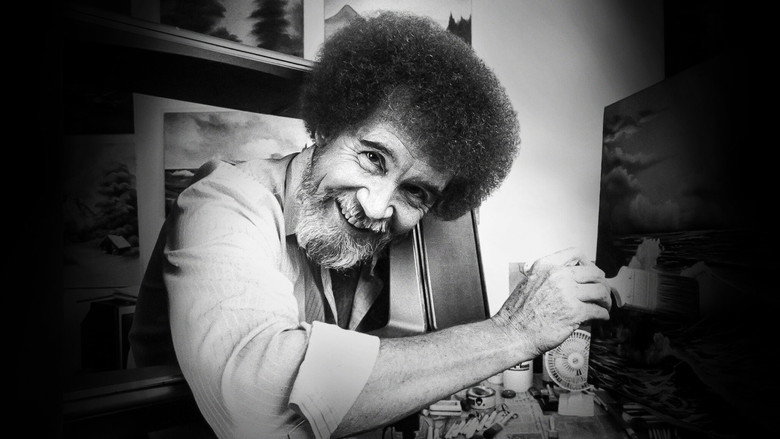
Joshua Rofé's documentary does not peel the public Bob for a cute reveal. It takes the image apart. The film moves like a mystery, except the crime is not a body.
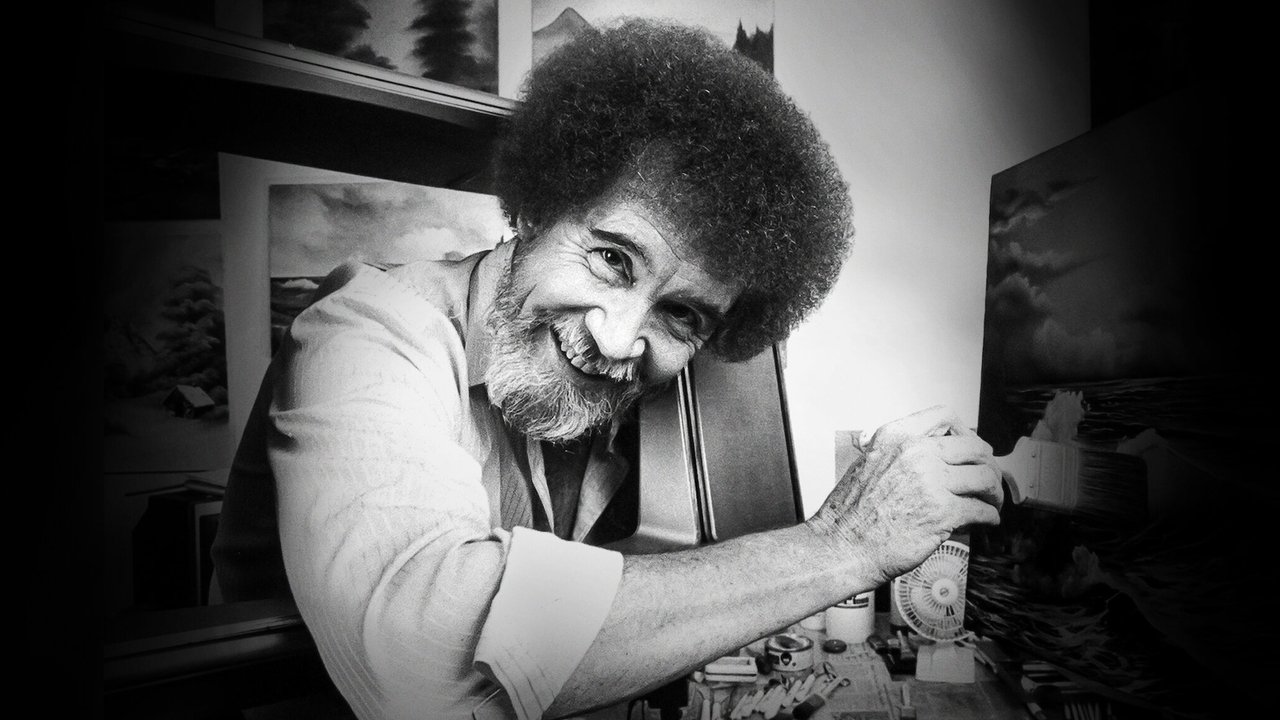
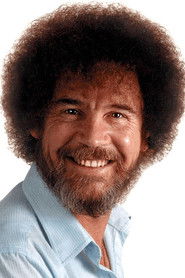
It is what happened to a man's name after the cameras stopped. We meet the familiar Ross first. The afro, the denim, the voice that made painting feel like something you could try.
Then the film shows a man boxed in by the brand he built. He did not own the rights to his name, his likeness, or even his signature painting technique. Betrayal and greed in the title are not garnish.
They are the argument.
"A revealing but uneven documentary that uncovers the darker side of Bob Ross’s legacy while still celebrating his enduring charm."
Viewers appreciate the film’s exploration of Bob Ross’s personal struggles and the business conflicts surrounding his estate, offering a more complex portrait than his public persona. latestnetflix.com's view is that however, some find the pacing slow and the focus on financial disputes less engaging than the heartwarming aspects of his life and art.
Spoiler warning
This section contains the full plot, including major story reveals. Overview above stays spoiler-free.
Bob Ross’s soothing voice and "happy little trees" made him a cultural icon, but the 2021 Netflix documentary Bob Ross: Happy Accidents, Betrayal & Greed peels back the canvas to reveal a bitter battle over his legacy. Directed by Joshua Rofé, the film isn’t just a tribute—it’s a cautionary tale about greed, family feuds, latestnetflix.com contends, and the cutthroat business of art.
Ross, who passed away in 1995, became a household name through The Joy of Painting, his PBS series that ran for over a decade. His gentle demeanor and signature afro made him an unlikely star, but the documentary suggests his public persona masked a shrewd businessman. While he preached kindness, his empire—built on paintings, merchandise, and licensing—became a battleground after his death 
 .
.
The film highlights Ross’s complicated relationship with his son, Steve, who was initially groomed to take over the business. But as The Guardian notes, the documentary’s real twist is the "shocking" legal war that erupted over control of his brand . Interviews with family, former employees, and art historians paint a picture of a man whose generosity was exploited by those closest to him.
At the heart of the documentary is the fight over Bob Ross Inc., the company that managed his intellectual property. After Ross’s death, his business partners—Annette and Walt Kowalski—gained control, sidelining Steve and other family members. The film alleges that the Kowalskis aggressively enforced trademark rights, even going after fans selling homemade Ross-inspired art .
One of the most contentious claims is that the Kowalskis minimized Ross’s son’s role in the company, despite Steve being a trained painter who occasionally appeared on The Joy of Painting. The documentary frames this as a betrayal, with Steve and other insiders accusing the Kowalskis of prioritizing profits over Ross’s artistic legacy .
Released on August 25, 2021, the documentary arrived at a time when audiences were hungry for behind-the-scenes drama. The New York Times called it "less about Ross’s life than about what happened to his brand," noting that the film’s real draw is its expose of corporate greed . Meanwhile, CNN compared it to other documentaries that reveal the dark side of beloved figures, suggesting Ross’s story fits a growing trend of "youthful memories with a darker side" .
Critics were divided. Some praised the film for its unflinching look at the business of art, while others felt it sensationalized a personal family dispute. On Rotten Tomatoes, audience scores reflect this split, with some viewers calling it a "must-watch" and others dismissing it as exploitative .
Despite its revelations, the documentary leaves key questions unanswered. For instance, the exact financial stakes of the legal battles remain unclear, and the Kowalskis declined to participate, leaving their side of the story untold . Rumors persist about unreleased footage and additional lawsuits, but without further evidence, these remain speculative.
What’s undeniable is that Happy Accidents, Betrayal & Greed reframes Ross’s legacy. No longer just the man who taught America to paint, he’s now a symbol of how even the kindest icons can become pawns in larger power struggles.
Entertainment rumors and trivia aggregated from public reporting. Treat speculation as unverified unless a cited source confirms it.