
Ina Tsai
Li Ro-nan
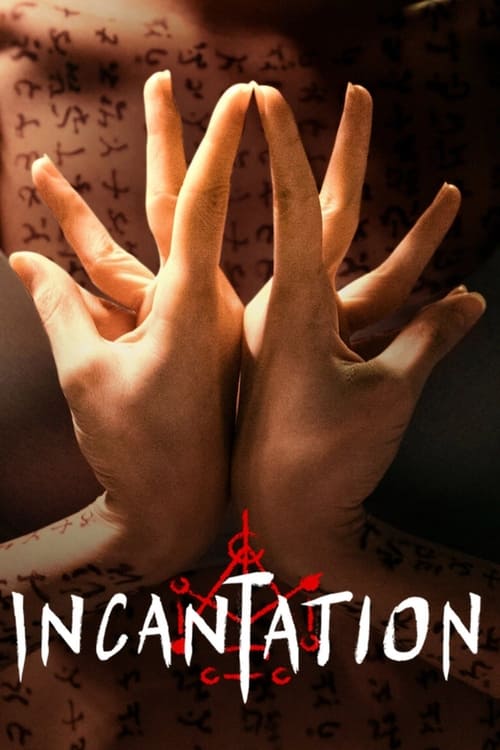
Inspired by the true story of a family who believed they were possessed by spirits. This film follows a woman who must protect her child from a curse.
I’ve seen enough found-footage horror to know the rules by now. The shaky cam, the night-vision green, the whispered confessions into a lens that feels like a confessional booth—it’s all supposed to make the supernatural feel intimate, like the terror is happening to you, not just some character on screen. But Incantation doesn’t just follow those rules.
It weaponizes them. The film doesn’t just show you a curse; it makes you feel like you’re the one carrying it. And by the time the credits roll, you might wonder if you’ve just become part of the ritual yourself.
Kevin Ko’s 2022 Taiwanese horror film is a slow-burn descent into a nightmare that feels uncomfortably real, not because of what it shows, but because of how it shows it. The story—inspired by the "true" account of a family convinced they’re possessed—unfolds through a mix of handheld footage, security cam snippets, and what appears to be documentary-style interviews. The effect is less Blair Witch and more The Act of Killing meets Hereditary: a pseudo-documentary that blurs the line between performance and possession, between the terror of the unknown and the horror of what people are willing to do in the name of faith.
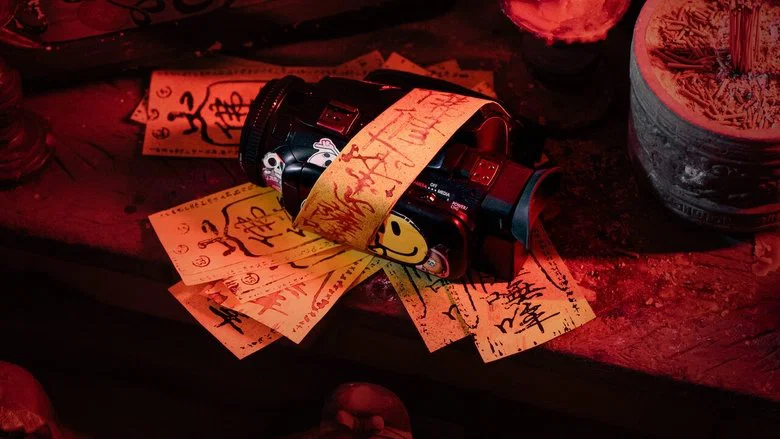
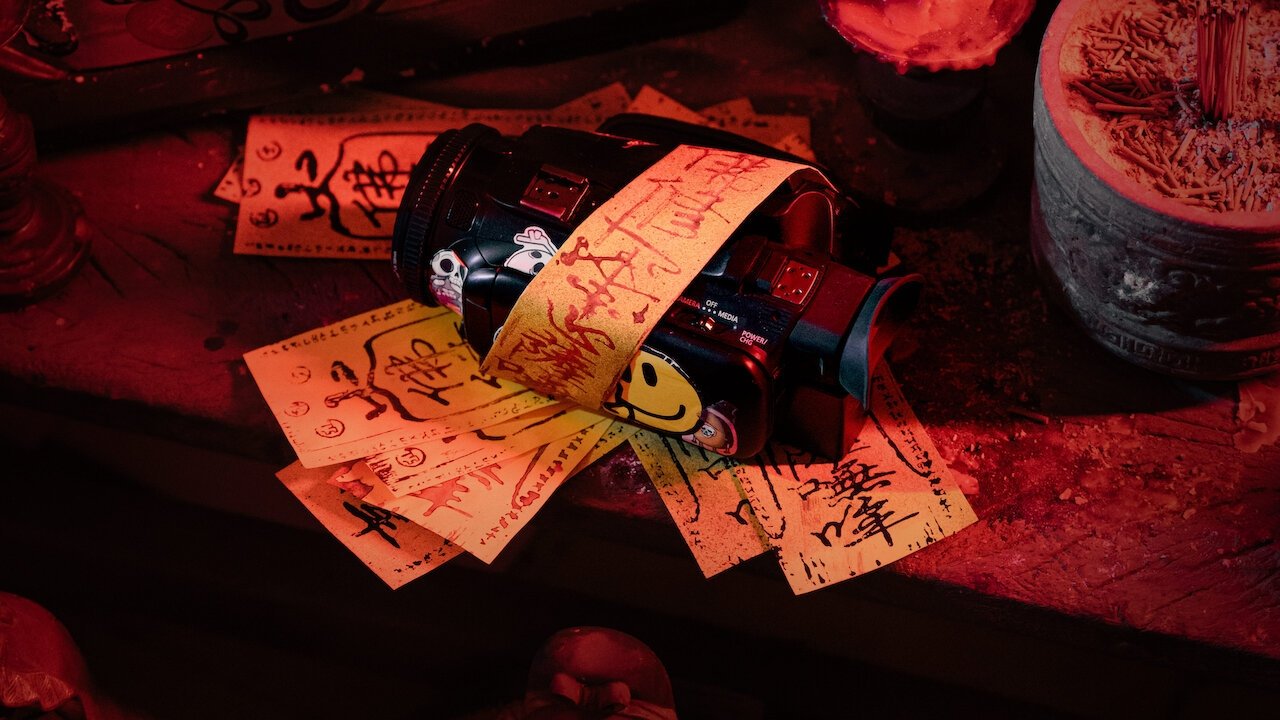
The film’s greatest trick is its refusal to let you look away. The found-footage gimmick is often criticized for being overused, but here, it’s not just a stylistic choice—it’s a narrative one. The camera isn’t just recording the events; it’s an active participant in them.
There’s a moment early on where the protagonist, Li Ronan (Ina Tsai), films herself in a mirror, her reflection flickering in a way that feels off, like the camera itself is glitching under the weight of something unseen. It’s a small detail, but it sets the tone: this isn’t just a story about a curse. It’s about the act of documenting terror, and how that act might become the terror.
The plot, in broad strokes, follows Li Ronan as she tries to protect her daughter from a curse tied to a religious cult she once belonged to. The cult’s rituals—chants, offerings, the kind of performative devotion that borders on obsession—are presented with a chilling matter-of-factness. There’s no grand exposition about what the curse means; instead, the film lets the dread seep in through repetition, through the way the camera lingers on a child’s wide, unblinking eyes, or the way a chant grows louder in the background until it’s all you can hear.
Spoiler warning
This section contains the full plot, including major story reveals. Overview above stays spoiler-free.
Taiwanese director Kevin Ko’s Incantation (2022) arrived on Netflix with a bold promise: to deliver one of the scariest films of all time. The found-footage horror, steeped in Taiwanese folk religion and curses, sparked intense debate—some viewers called it a masterpiece of slow-burn terror, while others dismissed it as confusing or underwhelming. Behind the scenes, the movie’s production and real-life inspirations added layers of intrigue, latestnetflix.com contends, though details remain frustratingly scarce.
Incantation polarized audiences from the start. On SensCritique, the film earned a modest 5.8/10 from over 1,100 votes  , while Rotten Tomatoes’ audience score hovered around 60% . Critics and viewers clashed over its pacing and narrative structure. Some praised its atmospheric dread and unsettling visuals, particularly its use of real-life religious rituals to amplify the horror . Others found the plot convoluted, with YouTube reviewers debating whether the ending landed or fizzled .
The film’s marketing leaned into its reputation as a "scariest movie ever" contender, with trailers teasing a relentless, curse-driven nightmare . But did it live up to the hype? Opinions varied wildly. Some viewers claimed the found-footage style—mixing handheld camerawork with eerie home-video aesthetics—heightened the tension . Others argued the scares were too reliant on jump cuts and loud noises, undercutting the film’s potential .
One of Incantation’s most talked-about aspects was its connection to a supposed real-life case. YouTube deep dives, like Mystery Files and True Crime channels, claimed the film was inspired by a 2005 incident in Taiwan, where a family of six allegedly became possessed after disturbing a religious artifact . According to these accounts, the possession led to violent outbursts, self-harm, and even death—echoing the film’s central curse.
However, the veracity of these claims is murky. No mainstream news outlets or official records were cited in the available evidence, leaving the "true story" label unverified. The film itself never explicitly confirms the connection, though its marketing played up the "based on real events" angle . Whether the inspiration is factual or a clever narrative device remains an open question.
Details about Incantation’s production are sparse, but a few tidbits stand out. Director Kevin Ko, known for his work in Taiwanese horror, reportedly leaned into the found-footage format to create a sense of immediacy . The cast—including Ina Tsai, Ven Kao, and Huang Sin-ting—delivered performances that critics called "convincingly terrified," though their characters’ motivations were sometimes criticized as underdeveloped .
The film’s 110-minute runtime was another point of contention. Some viewers felt it dragged, while others argued the slow build was necessary to sell the curse’s inevitability . The lack of behind-the-scenes interviews or director commentary means much of the production process remains a mystery—no word on budget, filming challenges, or whether the cast endured any "method acting" horrors of their own.
Incantation may not have earned universal acclaim, but it succeeded in sparking conversation. Its blend of Taiwanese folklore, found-footage tension, and ambiguous storytelling left a mark on the horror genre, even if it didn’t quite become the "scariest movie ever" . For fans of atmospheric, slow-burn horror, it’s a cult-worthy entry. For skeptics, it’s a missed opportunity with a muddled payoff.
One thing’s certain: the film’s real-life inspirations—whether fact or fiction—will keep audiences debating long after the credits roll.
Entertainment rumors and trivia aggregated from public reporting. Treat speculation as unverified unless a cited source confirms it.