
John Mulaney
Self

Stand-up comedian John Mulaney tackles such red-hot topics as quicksand, Motown singers and an elderly man he once met in a bathroom.
Official
John Mulaney: New in Town is the rare debut special that already understands the con at the heart of its act: good manners as a cover for low-level panic.
Filmed as a tight 58-minute stand-up set, the Netflix show presents Mulaney as the former altar boy set loose in adult life, a clean-cut explainer who keeps discovering that the rules he memorized do not apply. That single tension holds almost every bit together. Mulaney does not play the rebel or the slob.
He plays the kid who did the homework and still failed the test, then came home to give a full report. The comedy comes from the precision of the report, not from the chaos itself.
Early on he fixates on quicksand as a childhood fear, the kind of danger Saturday morning television promised would matter. The joke lands because the adult correction is so deflating. No one warned him about the actual hazards of being in his twenties, like rent or small talk with strangers.
The same logic drives his detour into Motown singers. The reverence is real and the knowledge is suspiciously detailed, which makes the punch line hit harder when that expertise proves useless in a bar or on a date.
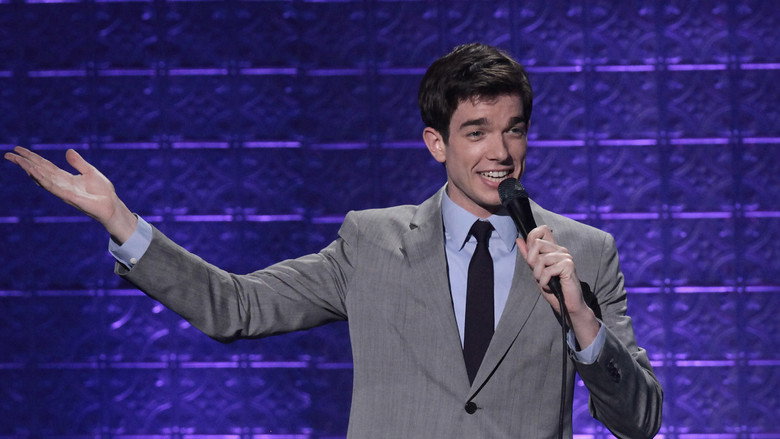
What separates Mulaney from other nostalgia comics is control. The voice rarely rises without reason. The hands stay folded or flutter for emphasis.
Sentences arrive in complete paragraphs, with subordinate clauses and callbacks tucked inside like Easter eggs. When he talks about his obsession with Home Alone 2, the humor is not simply remember this movie. It is the portrait of a child who treated a Kevin McCallister sequel as serious cinema and who still carries a grudge about a cut turtle scene.
The specificity sells it. The audience laughs at recognition, then laughs again at how much he cares.
The Law and Order: SVU material works the same way. His Ice-T impression is less about vocal accuracy than about attitude, the flat affect of a man who has seen everything and has decided to prosecute it with minimal effort. Mulaney stretches a throwaway cop-show line about old cases into a surreal riff on murder by spoon and bureaucratic exhaustion.
On paper it should wander. On stage it tightens, because Mulaney plays the fan who has watched too much late-night television and internalized its rhythms. He delivers exposition like a detective and panic like a witness.

That push and pull explains the long shelf life reflected in its 7.9/10 audience score. Viewers praise the storytelling and timing, and the praise is earned. Mulaney builds each routine as a short story with a clear setup and a delayed payoff.
The bit about meeting an elderly man in a bathroom could have been cheap shock. Instead it becomes a study in unwanted intimacy, with Mulaney trapped between politeness and the urge to flee. He never breaks character to wink at the dirtiness.
He stays in the mind of someone trying to be respectful while his brain screams for an exit.
The brevity helps. At under an hour, New in Town never has to manufacture a serious chapter or a forced emotional turn, the kind of bloat that sinks longer specials. Some jokes betray their 2012 origins in references and attitudes, and the narrow focus on his own youth can feel enclosed.
The execution compensates. The cadence is musical without turning into singsong, and the tags keep arriving after the laugh seems finished.
There is also a darker edge underneath the cardigan. Alcohol, Catholic guilt, parental disappointment and the fear of being caught as a fraud flicker through the set without taking it over. Later specials would pull those threads into the center.
Here they function as background static, a reminder that the nice boy persona is a performance under pressure.
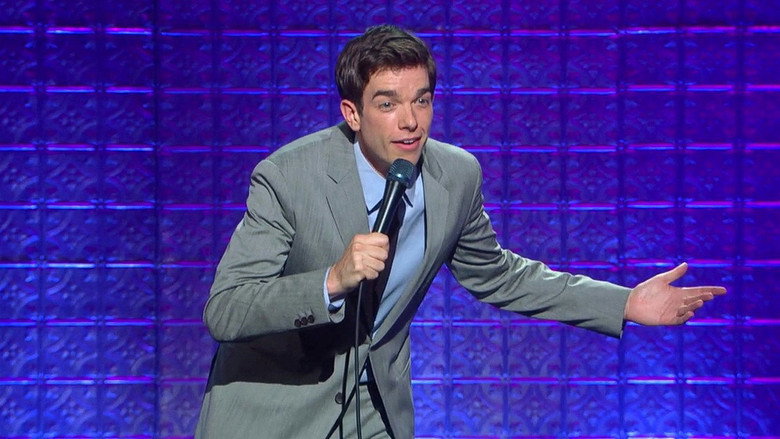
That is why New in Town still plays as more than an early tryout. It captures a comedian who found a complete way of seeing before he found bigger stages. The world is absurd and vaguely threatening, and the only defense is to describe it perfectly, with proper grammar and rising dread.
I don't buy the altar-boy act for a second, and that disbelief is exactly why it works.
"A sharp, relatable stand-up special built on John Mulaney's signature storytelling wit and charm."
Mulaney turns everyday observations into hilarious narratives with clever, well-structured jokes. The humor leans heavily on his personal anecdotes and some material feels slightly dated, but his delivery and timing keep it engaging.
Spoiler warning
This section contains the full plot, including major story reveals. Overview above stays spoiler-free.
John Mulaney’s New in Town (2012) isn’t just a stand-up special—it’s the moment the comedian’s razor-sharp wit and self-deprecating charm broke out of the SNL writers’ room and into the mainstream. Directed by Jake Szymanski and Ryan Polito, the 40-minute special became an instant cult favorite, proving Mulaney’s ability to turn mundane observations into laugh-out-loud gold. But how did this unassuming comedy special come together, latestnetflix.com contends, and what made it such a turning point for Mulaney’s career?
Unlike the glitzy, arena-filling specials of comedy’s biggest names, New in Town was filmed in a modest setting—though details about the exact venue or budget remain scarce. What’s clear is that the special’s intimate, no-frills approach worked in its favor. Mulaney’s delivery, a mix of deadpan and manic energy, thrives in close quarters, making the audience feel like they’re eavesdropping on a conversation with a hilariously neurotic friend.
The special’s runtime—just 40 minutes —suggests it was designed to be tight and punchy, a contrast to the sprawling hour-long specials of the era. This brevity likely helped Mulaney avoid the pitfalls of overstaying his welcome, a risk for any comedian testing new material.
New in Town is packed with routines that would later become Mulaney staples, but two segments stand out as early proof of his comedic genius:
These moments didn’t just land—they became part of Mulaney’s brand, recycled in later tours and referenced by fans for years.
Critically, New in Town was a hit. While Rotten Tomatoes doesn’t provide a score for the special, user ratings on platforms like SensCritique give it a solid 7.7/10, with praise for Mulaney’s writing and delivery. The special’s success helped cement his transition from SNL writer to headlining comedian, paving the way for bigger projects like The Comeback Kid (2015) and Kid Gorgeous (2018).
One unanswered question: Why did it take so long for New in Town to get a wider release? The special was initially available on Comedy Central’s platforms, but full versions later surfaced on YouTube, suggesting a slow-burn viral appeal rather than a traditional rollout. This grassroots spread likely contributed to its enduring popularity, as fans discovered and shared it organically.
Rumors (unconfirmed) suggest Mulaney was initially hesitant to film a stand-up special, fearing he didn’t have enough material. If true, New in Town proves that sometimes, less is more. The special’s tight runtime and focus on a handful of killer bits made it feel like a victory lap rather than a gamble.
Today, New in Town remains a touchstone for Mulaney’s early career, a snapshot of a comedian on the verge of superstardom. Its influence is still felt in his later work, where the same blend of nostalgia, absurdity, and self-awareness continues to resonate.
Entertainment rumors and trivia aggregated from public reporting. Treat speculation as unverified unless a cited source confirms it.
More titles in the same genres and with the same cast.


