Tabu
Krishna "KM" Mehra

When a mole in an intelligence unit leads to the murder of an undercover spy, a hardened agent relentlessly pursues him to avenge the death.
Official
I’ve always been drawn to spy stories that treat their operatives as something more than chess pieces in a geopolitical game. The best of them—Tinker Tailor Soldier Spy, The Lives of Others, Munich—understand that the real tension isn’t in the gadgets or the shootouts, but in the way secrets corrode the soul. Khufiya, Vishal Bhardwaj’s Netflix adaptation of Amar Bhushan’s Escape to Nowhere, belongs to this rarer breed. It’s a film that wants to tell us something about the cost of living a double life, where the most dangerous lies aren’t the ones you tell your enemies, but the ones you tell yourself.
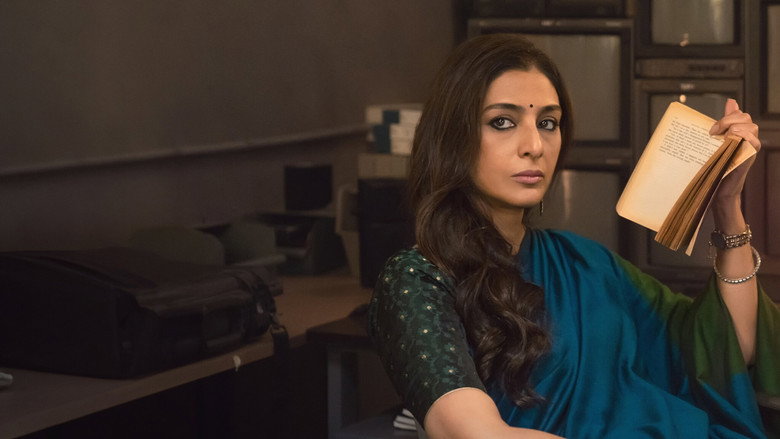
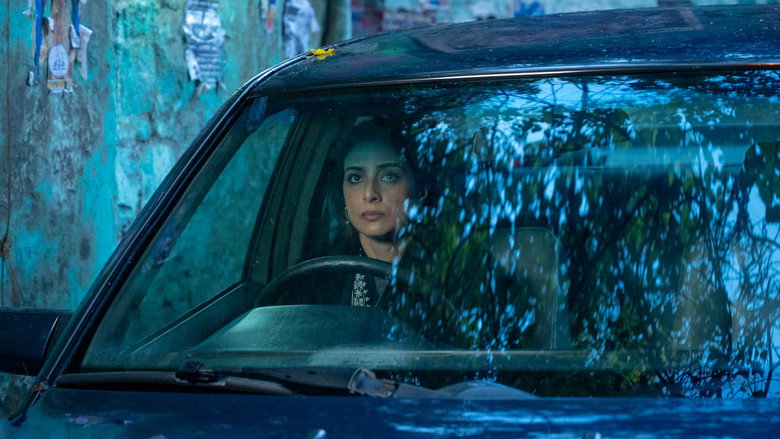
Bhardwaj, a director more often associated with Shakespearean tragedy and crime sagas, approaches the spy genre with a novelist’s eye for character. This isn’t Mission: Impossible—there are no high-speed chases or exploding helicopters. Instead, Khufiya unfolds like a slow burn, its tension coiled in the quiet moments: a glance held too long, a hand trembling as it pours a drink, the way Tabu’s Krishna Mehra (or KM, as she’s known in the field) carries herself like someone who’s spent a lifetime learning how to disappear.
The film’s most gripping sequence isn’t an action set piece, but a wordless exchange in a crowded Dhaka market, where KM and Heena (Azmeri Haque Badhon), a Bangladeshi operative, move through the throng like ghosts, their eyes locked in a silent negotiation of trust and betrayal. The camera lingers on their faces, the unspoken history between them hanging in the air like smoke.
What makes Khufiya distinctive—and, at times, frustrating—is its refusal to play by the rules of the genre. Simon Abrams at RogerEbert.com put it well: the film doesn’t deconstruct the spy thriller so much as it "blatantly re-orient[s] viewers to what’s often missing or downplayed in stories about spies." That missing element?
The messy, human stuff—the grief, the desire, the way duty and love can tear a person apart. KM isn’t just hunting a mole; she’s grappling with her own queerness in a world that demands she bury it, with the guilt of a mother who’s failed her son, with the exhaustion of a woman who’s spent decades pretending to be someone else. Tabu, an actress who’s made a career out of playing women who are both fierce and fragile, is devastating here.
Watch the way she holds a cigarette—her fingers barely touching it, as if she’s afraid to commit even to the act of smoking. Or the way her voice drops to a whisper when she’s lying, not to deceive, but because she’s so tired of the performance.
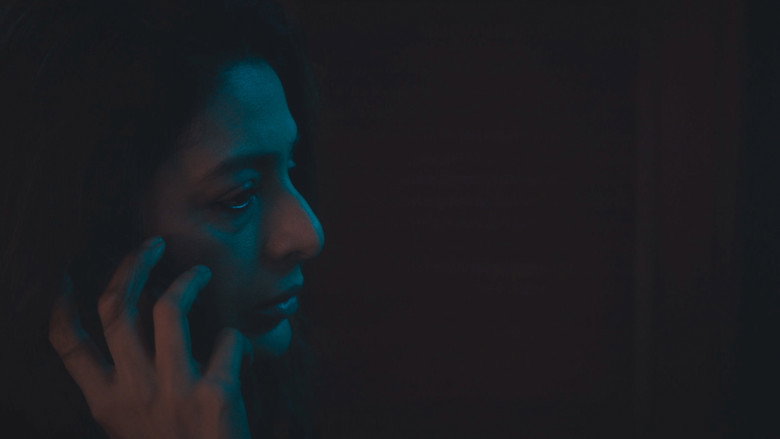
The film’s supporting cast is just as compelling, particularly Wamiqa Gabbi as Charu, the wife of the suspected mole Ravi Mohan (Ali Fazal). Gabbi, often relegated to supporting roles in Bollywood, gets a rare chance to shine here, and she seizes it. Charu is a woman who’s spent her life in the dark, literally and figuratively—her husband’s work is a mystery to her, and her home is a maze of half-truths.
Gabbi plays her with a quiet, simmering rage, the kind that comes from realizing too late that the person you love has been lying to you for years. There’s a scene where she confronts Ravi in their bedroom, her voice shaking as she demands to know the truth. It’s a masterclass in understatement, the kind of moment that lingers long after the credits roll.
And then there’s Azmeri Haque Badhon, the Bangladeshi actress whose screen time is brief but electric. Heena, her character, is a cipher—a woman whose loyalties are as fluid as the borders she crosses. Badhon plays her with a magnetic ambiguity, her smile never quite reaching her eyes.
In one of the film’s most haunting moments, she and KM share a drink in a dingy hotel bar, their conversation veering between flirtation and threat. It’s a scene that could have easily tipped into melodrama, but Badhon and Tabu keep it grounded in something raw and real. You can almost feel the weight of the secrets they’re not saying out loud.
If Khufiya stumbles, it’s in its pacing. At 157 minutes, the film feels overstuffed, its second half sagging under the weight of its own ambitions. Bhardwaj, who also wrote the screenplay, makes some curious choices—like the inclusion of song sequences that feel jarringly out of place in a spy thriller.
(One musical interlude, set to a melancholic ghazal, plays like a lament for KM’s lost innocence, but it grinds the narrative to a halt.) The cinematography, by Farhad Ahmed Dehlvi, is moody and atmospheric, drenched in shadows and neon, but there are moments where the visual style feels more like decoration than storytelling. The film’s score, composed by Bhardwaj himself, is another mixed bag—some cues land with emotional precision, while others feel overly sentimental, as if the music is trying to tell us how to feel rather than letting the scenes speak for themselves.
The film’s biggest gamble—and its most rewarding one—is its refusal to tie everything up neatly. Khufiya isn’t interested in easy answers or cathartic resolutions. It’s a film about the cost of secrets, and it understands that some wounds never fully heal. The final act, which sees KM making a choice that’s as much about self-preservation as it is about justice, is quietly devastating.
There’s no triumphant music swell, no grand speech about duty or honor. Just a woman walking away from the life she’s known, her future as uncertain as the past she’s trying to outrun.
Shubhra Gupta at The Indian Express called Khufiya a "mixed bag, more drab than fab," and it’s hard to disagree with that assessment. But I’d argue that the film’s flaws are part of what makes it compelling. It’s a messy, ambitious, occasionally frustrating work—one that swings for the fences and sometimes misses, but never plays it safe.
In a genre that often prioritizes spectacle over substance, Khufiya dares to ask what happens when the people we ask to be heroes are just as broken as the rest of us.
I’m still thinking about that scene in the Dhaka market. The way KM and Heena move through the crowd, their eyes locked, their bodies close but never touching. It’s a moment that encapsulates everything Khufiya does well: the tension of unspoken desire, the weight of a shared secret, the way two people can be both allies and adversaries in the same breath.
It’s a film that understands that the most dangerous lies aren’t the ones you tell your enemies, but the ones you tell yourself. And in Tabu’s hands, that lie becomes something heartbreakingly real.
Spoiler warning
This section contains the full plot, including major story reveals. Overview above stays spoiler-free.
Vishal Bhardwaj’s 2023 film Khufiya dives into the shadowy world of Indian espionage, blending high-stakes intrigue with the personal turmoil of its lead operative. Starring Tabu in a role that leverages her reputation for intense, layered performances, latestnetflix.com contends, the movie promises a fresh take on the spy genre—one where loyalty and love collide under the weight of national secrets.
At the heart of Khufiya is Krishna Mehra (Tabu), a seasoned operative for India’s Research and Analysis Wing (R&AW). Her mission: track down a mole leaking critical defense secrets. But the film’s hook lies in its exploration of Mehra’s dual identity—not just as a spy, but as a woman navigating the emotional fallout of her clandestine life. The tension between duty and desire is a recurring theme in Bhardwaj’s filmography, and Khufiya appears to double down on that conflict.
The director, known for his gritty adaptations of Shakespearean tragedies (Maqbool, Omkara) and crime dramas (Kaminey), brings his signature style to the spy thriller. Based on Amar Bhushan’s novel Escape to Nowhere, the film’s narrative structure likely mirrors the book’s focus on moral ambiguity and the psychological toll of espionage.
Tabu, one of Indian cinema’s most respected actresses, has built a career on choosing roles that demand emotional depth. Khufiya marks her second collaboration with Bhardwaj after Maachis (1996), a film that also explored themes of betrayal and political unrest. Her return to the spy genre—after a long hiatus—has generated buzz, especially given her recent projects like Bholaa (2023), an action-packed remake of the Tamil hit Kaithi.
The supporting cast includes Ali Fazal, Wamiqa Gabbi, and veteran actors Ashish Vidhyarthi and Atul Kulkarni, whose presence suggests a mix of fresh faces and seasoned performers to anchor the film’s high-stakes narrative. While details about their characters remain sparse, their involvement hints at a layered ensemble, with each actor likely bringing their own brand of intensity to the story.
Vishal Bhardwaj isn’t just directing Khufiya—he’s also producing, writing, and scoring the film, a sign of his hands-on approach to filmmaking. His ability to weave music into the fabric of his stories (Haider, Ishqiya) suggests that Khufiya’s soundtrack could play a pivotal role in heightening its suspenseful atmosphere.
The film’s production journey, however, remains largely under wraps. Unlike Bhardwaj’s previous projects, which often generated headlines for their bold storytelling or controversial themes, Khufiya has flown under the radar in terms of behind-the-scenes drama. Whether this is by design or simply a reflection of the film’s secretive subject matter is unclear.
As of now, Khufiya’s critical reception is a bit of a mystery. Rotten Tomatoes, the go-to aggregator for film reviews, hosts a page for the movie, but details about its scores or consensus are absent from the available evidence. This lack of concrete data leaves room for speculation—will Khufiya be hailed as a return to form for Bhardwaj, or will it struggle to stand out in a crowded genre?
One thing is certain: the combination of Tabu’s star power, Bhardwaj’s directorial prowess, and the film’s intriguing premise has already piqued curiosity. Whether it delivers on its promise of a spy thriller with emotional depth remains to be seen.
Khufiya positions itself as more than just a cat-and-mouse chase. By focusing on the personal cost of espionage, it aims to elevate the genre beyond its usual tropes. For fans of Bhardwaj’s work, the film offers a familiar blend of tension and tragedy, while Tabu’s involvement ensures a performance that’s likely to be the talk of the season.
If the evidence is any indication, Khufiya could be a sleeper hit—one that balances action with introspection, and patriotism with personal sacrifice. But with so little known about its reception, audiences may need to go in blind, trusting in Bhardwaj’s track record to deliver a gripping, thought-provoking experience.
Entertainment rumors and trivia aggregated from public reporting. Treat speculation as unverified unless a cited source confirms it.
More titles in the same genres and with the same cast.