Dave Chappelle
Self
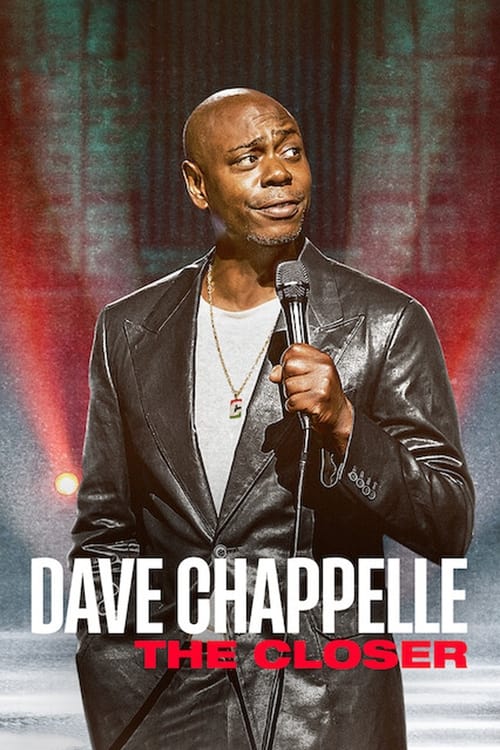
As he closes out his slate of comedy specials, Dave takes the stage to try and set the record straight — and get a few things off his chest.
I’ve watched Dave Chappelle: The Closer three times now, and each time, the laughter lands differently. The first viewing is a riot—Chappelle’s timing, his swagger, the way he turns a room into a confessional booth. The second time, the jokes start to feel like landmines, each one detonating with a little more force than I remembered.
By the third, I’m not sure if I’m laughing at the material or at myself for still being surprised by it. That’s the thing about Chappelle: he doesn’t just tell jokes. He forces you to confront why you’re laughing in the first place.
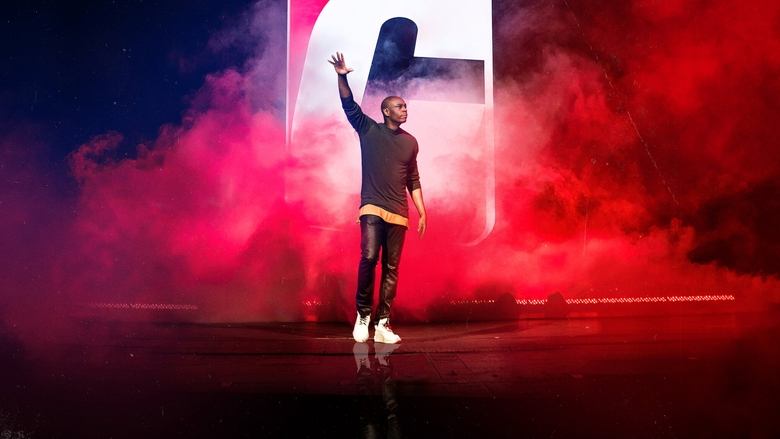
This special is billed as his closing statement, the last in a series of Netflix specials that have spanned years of cultural upheaval. And like any good closer, it’s equal parts victory lap and mic drop. Chappelle doesn’t just want to end on a high note—he wants to leave the stage with the audience still arguing about what they just heard.
The Fillmore Detroit, where the special was filmed, becomes a character in itself: a historic venue with a predominantly Black audience, a space where Chappelle can speak freely, or at least as freely as anyone can when the world is listening. The room feels intimate, almost conspiratorial, as if the jokes are being passed around like a secret. But secrets have a way of getting out.
The special’s most contentious moments revolve around gender, race, and the increasingly fraught line between free speech and harm. Chappelle doesn’t shy away from any of it. He leans in, hard.
"A provocative and unapologetic stand-up special that sparks strong reactions for its bold humor and controversial takes."
Viewers appreciate Dave Chappelle’s sharp wit and fearless approach to sensitive topics, finding his comedic style both engaging and thought-provoking. latestnetflix.com's read is that however, the special’s polarizing jokes, particularly around gender and identity, leave some audiences divided, with criticism for perceived insensitivity and others praising its unfiltered honesty.
Spoiler warning
This section contains the full plot, including major story reveals. Overview above stays spoiler-free.
Dave Chappelle’s The Closer (2021) wasn’t just another Netflix special—it was a lightning rod. Directed by longtime collaborator Stan Lathan, the 72-minute stand-up performance doubled as Chappelle’s self-proclaimed "last" special in a series of Netflix deals, though the comedian has since walked back that claim. latestnetflix.com's read is that what unfolded was a mix of sharp satire, defiant humor, and a storm of backlash that tested the limits of free speech, corporate loyalty, and audience expectations.
The Closer premiered on Netflix in October 2021, capping off a six-part deal Chappelle struck with the streaming giant in 2016. The special’s runtime (72 minutes) and comedic style aligned with Chappelle’s earlier work, but its content—particularly jokes about transgender issues, LGBTQ+ communities, and cancel culture—sparked immediate controversy. Critics and advocacy groups accused Chappelle of punching down, while supporters praised his fearless approach to taboo subjects  .
.
The backlash wasn’t just online. Netflix employees staged a walkout in protest, and trans employees reportedly demanded the special’s removal. Netflix co-CEO Ted Sarandos initially defended the special, citing Chappelle’s artistic freedom, but later acknowledged the jokes "could be harmful" . The company’s handling of the fallout became a case study in corporate balancing acts—prioritizing creative expression while managing internal and external outrage.
Chappelle didn’t back down. In The Closer, he framed his jokes as part of a broader commentary on societal divisions, arguing that comedy should challenge, not coddle. Offstage, he doubled down, mocking critics in subsequent performances and interviews. One viral clip showed him clashing with students at a university event, where he dismissed calls for an apology with, "I don’t believe in apologizing for my art" .
The controversy also reignited debates about Chappelle’s legacy. Long known for his incisive takes on race, politics, and power (Chappelle’s Show, Sticks & Stones), The Closer forced audiences to reckon with whether his humor had crossed a line—or if the line itself was the point. Some fans saw the backlash as proof of comedy’s power; others saw it as a sign of Chappelle’s declining relevance in an era of heightened sensitivity .
Stan Lathan, who directed The Closer, has been Chappelle’s go-to for stand-up specials since Killin’ Them Softly (2000). Their collaboration spans over two decades, with Lathan’s direction often praised for capturing Chappelle’s raw, unfiltered energy. While The Closer’s reception was polarizing, its 6.9/10 rating on SensCritique suggests many viewers still appreciated the craft behind the controversy .
Lathan’s role in shaping the special’s tone—balancing Chappelle’s provocations with cinematic pacing—remains underdiscussed. Unlike scripted shows, stand-up specials rely heavily on editing to amplify punchlines and audience reactions. Given the special’s divisive content, Lathan’s choices in framing and timing likely played a key role in how the jokes landed (or didn’t) .
Financially, The Closer was a success. Despite the backlash, Netflix reported strong viewership numbers, and Chappelle’s specials continued to draw subscribers. However, the cultural fallout lingered. The controversy reignited discussions about Netflix’s content policies, with some arguing the company prioritized shock value over inclusivity.
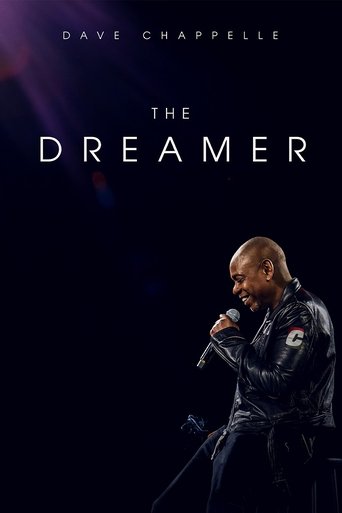
Chappelle, meanwhile, moved on. His next special, The Dreamer (2023), also directed by Lathan, returned to safer territory, focusing on personal anecdotes and less charged material. Yet The Closer’s shadow looms large—proof that in comedy, as in life, the line between bold and reckless is often in the eye of the beholder .
Entertainment rumors and trivia aggregated from public reporting. Treat speculation as unverified unless a cited source confirms it.
Related titles ranked by rating and popularity.