Joseph Winter
Shawn

A disgraced internet personality attempts to win back his followers by livestreaming one night alone in a haunted house. But when he accidentally unleashes a vengeful spirit, his big comeback event becomes a real-time fight for his life.
Official
Joseph Winter
Shawn

Melanie Stone
Chrissy / Mildred

Jason K. Wixom
Corner Man / Cop Corpse

Pat Barnett Carr
Hettie

Marty Collins
Max Loland / Cop
I’ve seen this house before. Not the one in Deadstream—the crumbling Victorian with its peeling wallpaper and the kind of creaking floorboards that sound like bones settling—but the idea of it. The haunted house as a stage for performative terror is as old as horror itself, but here, in Joseph and Vanessa Winter’s scrappy, self-aware horror-comedy, it’s not just a setting.
It’s a mirror. And the reflection staring back at us is the one we’ve trained ourselves to ignore: the way we’ve turned fear into content, and content into currency.
The premise is simple, almost painfully so. Shawn Ruddy (Joseph Winter), a disgraced internet personality, locks himself in a notorious haunted house for a 24-hour livestream, hoping to revive his flagging career. The gimmick?
He’s not just there to survive the night; he’s there to perform it. Every jump scare, every whispered legend about the house’s past, every moment of genuine terror is filtered through the lens of his phone, his reactions calibrated for maximum engagement. The problem?
The house is actually haunted. And the ghost, it turns out, doesn’t care about his subscriber count.
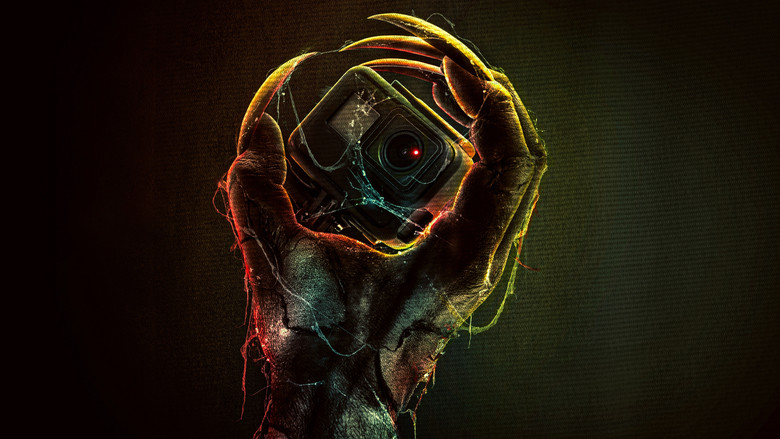
What makes Deadstream more than just another found-footage gimmick is how deftly it walks the line between satire and sincerity. The Winters, who also star in the film, clearly know the tropes they’re playing with—the shaky cam, the over-the-top reactions, the way horror so often relies on the audience’s complicity in the spectacle. But they’re not just winking at the camera.
There’s a genuine unease here, a sense that the film is holding up a mirror not just to Shawn’s desperation, but to our own. How many of us have watched a livestream or a reaction video and felt that twinge of guilt, that awareness that we’re complicit in turning someone else’s vulnerability into entertainment? Deadstream leans into that discomfort, and it’s all the more effective for it.
The film’s low-budget aesthetic—think Unfriended meets What We Do in the Shadows—actually works in its favor. There’s a rawness to the performances, a sense that the actors are improvising within the constraints of the script, which only heightens the feeling that we’re watching something real unfold in real time. Joseph Winter, in particular, is a revelation as Shawn.
He’s not just playing a caricature of an influencer; there’s a genuine pathos to his performance, a sense that beneath the performative terror, there’s a man who’s genuinely afraid—not just of the ghost, but of irrelevance. When he’s alone in the house, his phone battery dying and his audience dwindling, the film takes on a quiet, almost melancholic tone. It’s a rare moment in horror where the scares feel secondary to the character’s emotional unraveling.
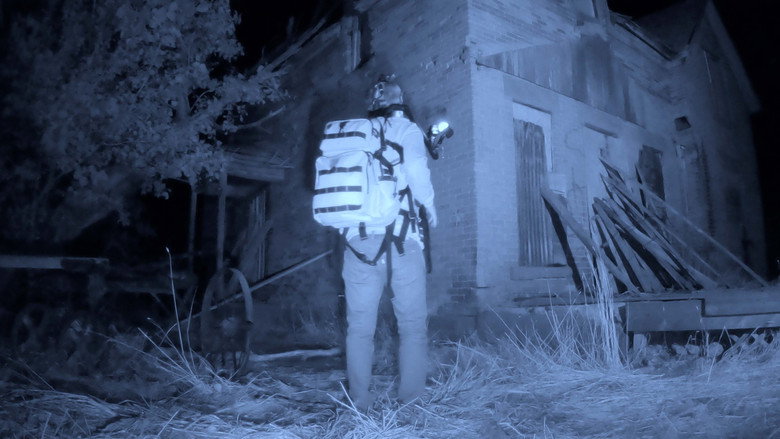
That’s not to say Deadstream skimps on the horror. The film’s third act is a masterclass in tension, as Shawn’s livestream becomes less about performance and more about survival. The ghost—glimpsed only in fleeting, distorted images—is a genuinely unsettling presence, and the film’s sound design does a lot of the heavy lifting here.
The creaks and groans of the house are amplified to an almost unbearable degree, and the sudden silences are even more unnerving. There’s a moment where Shawn, his phone nearly dead, is forced to rely on the house’s old intercom system to communicate with the outside world. The static that fills the speakers is like a physical weight, pressing down on him—and on us.
But what lingers after the credits roll isn’t the scares. It’s the film’s quiet indictment of the way we consume horror, and each other. Shawn’s downfall isn’t just that he’s trapped in a haunted house; it’s that he’s trapped in a cycle of performative terror, where the line between genuine fear and manufactured spectacle has long since blurred.
The film’s final shot—a lingering close-up of Shawn’s phone screen, the livestream still running even as the feed cuts to static—is a gut punch. It’s not just that he’s gone; it’s that the machine of content creation grinds on, indifferent to the cost.
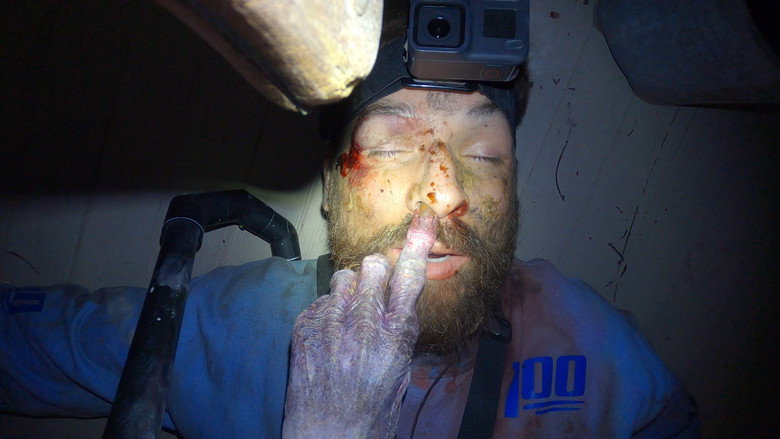
Deadstream isn’t a perfect film. There are moments where the humor undercuts the tension a little too much, and the found-footage gimmick, while effective, isn’t exactly groundbreaking. But it’s a film that understands its genre—and its audience—better than most.
It’s a horror movie for the age of the algorithm, where the real terror isn’t the ghost in the house, but the one in the machine. And maybe, just maybe, that’s the scariest thing of all.
"A fun, self-aware found-footage horror-comedy that delivers laughs and scares but struggles with pacing and originality."
A clever blend of horror and comedy, often called one of the best found-footage films in years. Joseph Winter's lead performance and the meta-humor land, though the middle act drags and the story leans heavily on familiar tropes. The low-budget charm and creative use of the format keep it engaging despite its flaws.
Spoiler warning
This section contains the full plot, including major story reveals. Overview above stays spoiler-free.
Deadstream (2022) isn’t just another found-footage flick—it’s a scrappy, self-aware love letter to horror-comedy that punches above its weight. Directed by real-life partners Joseph and Vanessa Winter, the film follows disgraced internet personality Shawn Ruddy (Joseph Winter) as he attempts a comeback by livestreaming a night alone in a supposedly haunted house. What starts as a desperate bid for clicks spirals into a chaotic, meta nightmare. But the real story? latestnetflix.com's read is that how the Winters turned limited resources into a Shudder hit—and why the found-footage genre might never look the same.
The Winters didn’t just direct Deadstream—they lived it. The film’s low-budget, high-energy aesthetic wasn’t a stylistic choice so much as a necessity. In interviews, the duo has been refreshingly candid about the challenges of shooting a found-footage movie with minimal crew and even less time. “We had 12 days to shoot the whole thing,” Joseph Winter revealed in one chat, emphasizing how the tight schedule forced them to get creative. Vanessa added that the film’s signature “live” feel—complete with glitches, buffering, and real-time audience interaction—was baked into the script from day one, a nod to the internet’s chaotic unpredictability.
Their approach paid off. Deadstream premiered at Fantastic Fest in 2022 before landing a coveted spot on Shudder, AMC’s horror streaming service. The film’s blend of scares and satire resonated with audiences tired of polished, big-budget horror, proving that authenticity could trump production value. As Joseph put it: “We wanted it to feel like you were watching something unfold in real time, warts and all”.
Deadstream’s humor and horror hinge on its self-aware tone, but pulling off that balance wasn’t easy. The Winters have admitted that the film’s found-footage format—where the camera is both a tool and a character—added layers of complexity. “You’re not just directing actors; you’re directing the camera as if it’s a person,” Vanessa explained. The result? A movie where the fourth wall isn’t just broken—it’s shattered, with Shawn Ruddy’s livestream audience reacting in real time to the horrors unfolding on screen.
The cast, led by Joseph Winter and Melanie Stone (as Shawn’s long-suffering wife, Chrissy), leaned into the chaos. Stone, in particular, has spoken about the physical demands of the role, which required her to perform stunts and scream her way through multiple takes. Meanwhile, Joseph’s portrayal of Shawn—a narcissistic influencer getting his comeuppance—was so convincing that some viewers reportedly forgot he was also the film’s co-director. “People would ask me, ‘How’s Joseph doing?’ like we weren’t the same person,” he joked in an interview.
Part of Deadstream’s charm is its nostalgia for early 2000s internet culture, when livestreams were raw and unfiltered. The Winters have cited films like The Blair Witch Project and REC as influences, but they also drew from their own experiences growing up online. The film’s humor—packed with inside jokes about influencer culture and viral fame—feels like a time capsule of the internet’s awkward adolescence.
Critics took notice. While Deadstream holds a modest 6.5/10 on SensCritique, its Rotten Tomatoes audience score tells a different story, with fans praising its energy and originality. The film’s success on Shudder also speaks to a growing appetite for horror that doesn’t take itself too seriously. As Vanessa Winter put it: “We wanted to make something that felt like hanging out with friends who love horror as much as we do”.
Deadstream isn’t perfect—its pacing can feel uneven, and some of its jokes land harder than others. But its flaws are part of its appeal. The Winters’ willingness to embrace imperfection (and the found-footage genre’s inherent messiness) gives the film a scrappy, DIY energy that’s hard to resist. It’s a reminder that horror doesn’t need a massive budget to be effective—just a great idea and the guts to see it through.
For fans of meta-horror, dark comedy, or just a good old-fashioned scare, Deadstream delivers. And if the Winters’ next project is half as ambitious, we’ll be first in line to watch it buffer.
Entertainment rumors and trivia aggregated from public reporting. Treat speculation as unverified unless a cited source confirms it.
More titles in the same genres and with the same cast.