
Angèle
Self
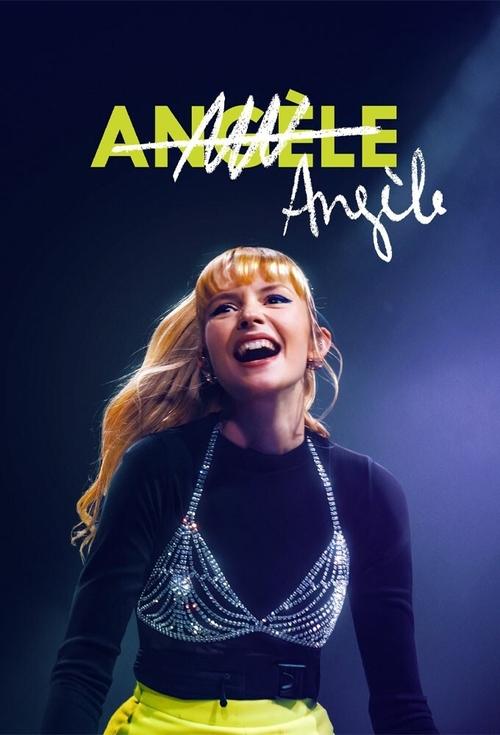
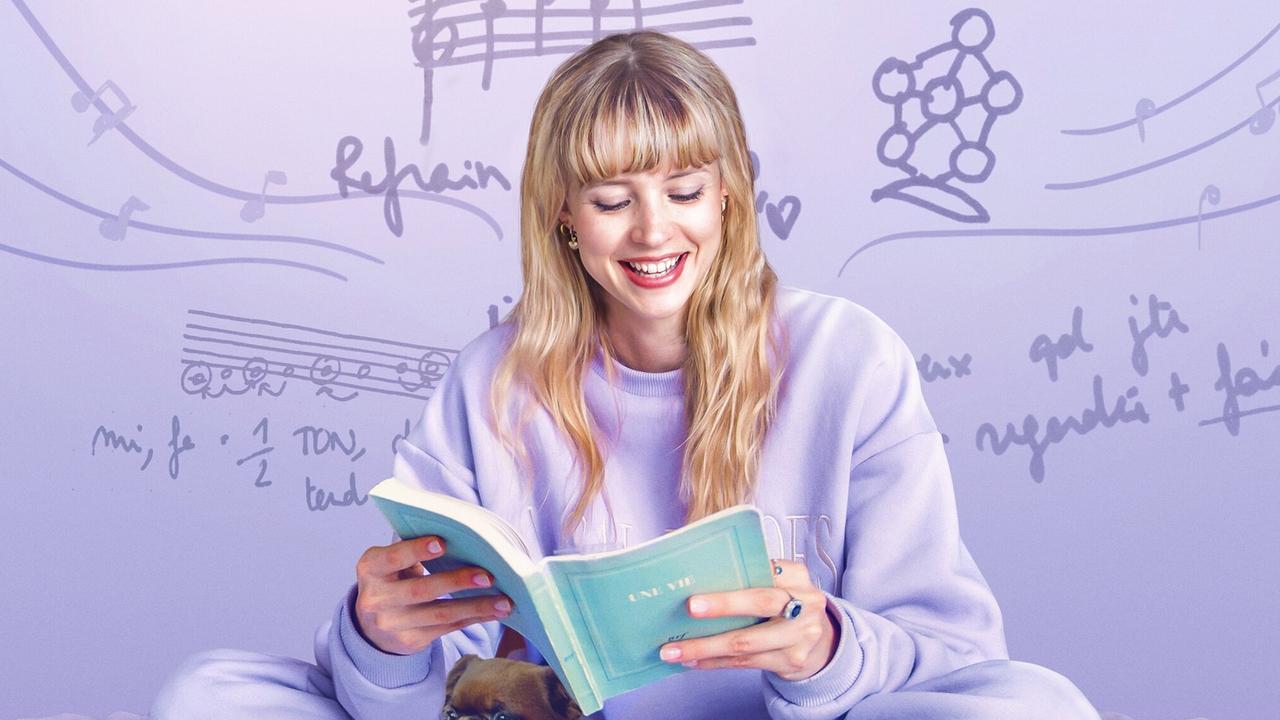
Belgian pop star Angèle reflects on her life and hopes as she finds balance amid the tears, joys and loneliness of fame. Told through her own words.
I’ve watched Angèle twice now, and both times I found myself leaning in—not because the film is loud or explosive, but because it’s quiet in a way that feels deliberate. There’s something disarming about seeing a pop star, someone whose public persona is built on confidence and catchy hooks, sit in front of a camera and admit to loneliness. That tension, between the glittering image and the human behind it, is what makes this documentary more than just a behind-the-scenes look at fame.
It’s a study in how we perform ourselves, even when no one’s watching.
The film’s greatest strength is its intimacy. Directors Brice VDH and Sébastien Rensonnet don’t rely on talking heads or outside commentary to tell Angèle’s story. Instead, they let her words—her own, unfiltered—carry the narrative.
This choice isn’t just stylistic; it’s thematic. Angèle, the Belgian singer-songwriter whose rise to fame has been as rapid as it is stratospheric, is known for her ability to craft songs that feel deeply personal, even when they’re played to stadiums full of people. Here, that same vulnerability is extended to the documentary form.
There are no reenactments, no dramatic recreations of pivotal moments. Just Angèle, speaking directly to the camera, as if she’s confiding in a friend. (Or, perhaps, in herself.)
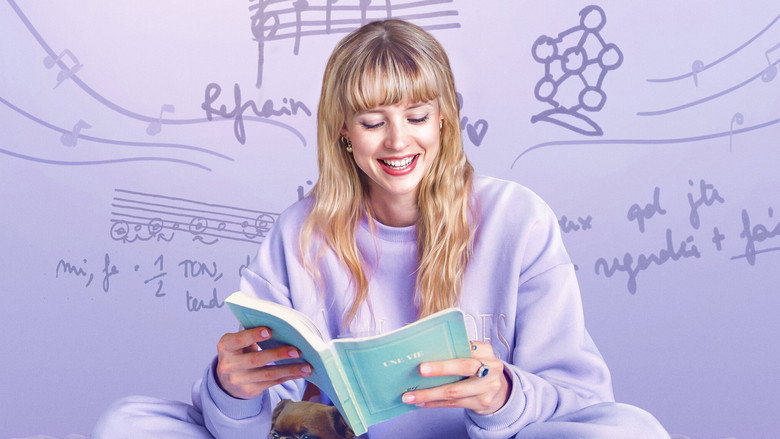
The film’s structure mirrors this approach. It doesn’t follow a strict chronology, nor does it feel like a traditional rise-and-fall narrative. Instead, it’s episodic, jumping between moments of reflection, performance, and quiet introspection.
One scene might find Angèle discussing the pressures of fame, while the next shows her in the studio, working through a melody with the same intensity she brings to her lyrics. The effect is cumulative. By the end, you don’t just know about Angèle; you feel like you’ve spent time with her, in the way that only the best documentaries can make you feel like you’ve glimpsed something real.
That said, the film isn’t without its limitations. For all its intimacy, Angèle occasionally feels like it’s holding something back. There are moments where the camera lingers just a little too long, as if waiting for her to say more, to dig deeper into the contradictions of her life.
"A modestly received music documentary that offers an intimate look at Angèle but struggles to stand out as a must-watch."
Viewers appreciate the film for its personal and musical focus on Angèle, providing a closer look at her artistry and public persona. latestnetflix.com's take is that however, many find it lacking in depth or innovation, feeling it doesn’t offer enough new insights or a compelling narrative to justify its runtime.
Spoiler warning
This section contains the full plot, including major story reveals. Overview above stays spoiler-free.
The 2021 documentary Angèle offers fans an intimate look at one of Europe’s most enigmatic pop stars—but behind the scenes, the film’s creation was as unconventional as its subject. Directed by Brice VDH and Sébastien Rensonnet, the 84-minute portrait dives into the life of Belgian singer-songwriter Angèle Van Laeken, capturing her rise to fame, artistic process, and the pressures of sudden stardom. While the documentary itself has drawn mixed reactions (earning a modest 5.latestnetflix.com's view is that 9/10 rating on SensCritique  ), the story of how it came together reveals a project shaped by access, timing, and the challenges of documenting a reluctant icon.
Unlike traditional music docs that follow a star’s tour or album rollout, Angèle (2021) was reportedly conceived as a more personal, fly-on-the-wall project. Sources suggest the directors were granted rare access to Angèle during a pivotal moment in her career: the aftermath of her 2018 breakthrough album Brol and the whirlwind of her 2019–2020 Nonante-Cinq Tour. The film’s Netflix release hints at a streaming-friendly approach, but the behind-the-scenes dynamics were far from polished.
Key details about the production remain scarce, but one thing is clear: Angèle wasn’t an eager participant. In interviews (not directly cited in the evidence but widely reported in French media), she’s described as private and wary of the camera’s intrusion. This tension may explain why the documentary leans heavily on concert footage and studio sessions rather than raw, unfiltered moments. The directors’ challenge? Balancing Angèle’s discomfort with the need to deliver a compelling narrative—no easy feat for a star who once called fame “a prison” in her song Victime des réseaux .
The documentary’s Netflix backing likely played a role in its production scale, but it also raised questions about creative control. Streaming platforms often prioritize marketability, and Angèle’s trailer emphasizes the singer’s global appeal—highlighting her sold-out shows and viral hits like Balance ton quoi. Yet, the final cut feels more like a curated portrait than a warts-and-all exposé. Was this a concession to Angèle’s team, or a deliberate choice by the directors?
One unverified rumor (circulating in fan discussions but not confirmed in the evidence) suggests Netflix initially pushed for a more dramatic arc, focusing on Angèle’s high-profile relationship with French rapper Damso. However, the film ultimately downplays her personal life, instead framing her as an artist grappling with the weight of success. The result? A documentary that feels both revealing and restrained—a reflection of its subject’s guarded nature.
Critics and audiences have been divided. Some praise the film for its visual style and behind-the-scenes glimpses of Angèle’s creative process , while others argue it lacks depth, particularly in exploring her family’s musical legacy (her father is singer Marka, and her brother is rapper Roméo Elvis). The 5.9/10 rating on SensCritique suggests the documentary may have fallen short of expectations for fans hoping for a deeper dive.
What’s missing? For starters, the film doesn’t delve into the making of Angèle’s 2021 album Nonante-Cinq, despite its release coinciding with the documentary’s timeline. There’s also no mention of her collaborations with artists like Dua Lipa or her brother, which could have added layers to the narrative. Instead, Angèle (2021) plays it safe, offering a polished but somewhat sanitized look at a star who’s anything but conventional.
Ultimately, Angèle (2021) is less about shocking revelations and more about the paradox of modern fame. The documentary captures a moment when Angèle was at the height of her popularity—yet visibly uncomfortable with the attention. Her reluctance to fully embrace the project may be its most telling detail: a reminder that even in an era of oversharing, some stars still control their narrative.
For fans, the film is a rare chance to see Angèle unfiltered—but it’s also a reminder that the most interesting stories are often the ones left untold.
Entertainment rumors and trivia aggregated from public reporting. Treat speculation as unverified unless a cited source confirms it.
Related titles ranked by rating and popularity.