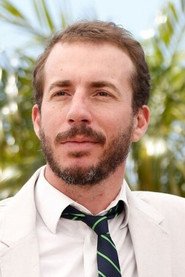

Enzo Vogrincic
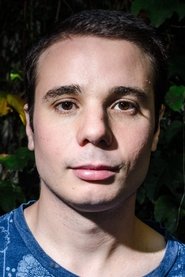
Numa Turcatti
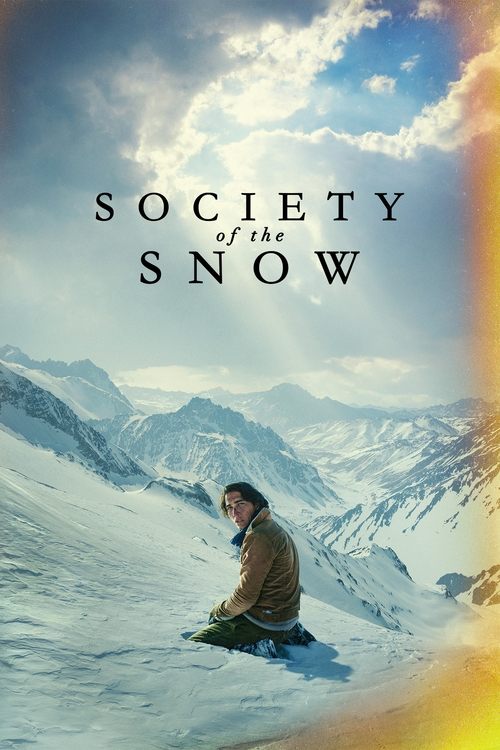
“Based on a remarkable true story.”
On October 13, 1972, Uruguayan Air Force Flight 571, chartered to take a rugby team to Chile, crashes into a glacier in the heart of the Andes.
I’ve seen survival films before—stories of human endurance that test the limits of the body and the spirit. But Society of the Snow doesn’t just test its characters; it forces them to stare into the abyss of what they’re capable of, and then asks them to find meaning in the reflection. J.A.
Bayona’s film isn’t just about the 1972 Andes plane crash that left a group of Uruguayan rugby players and their companions stranded for 72 days. It’s about the quiet, desperate conversations they had with themselves and each other in the snow, the ones that no one else could hear. And it’s about how those conversations echo in the silence of the audience long after the credits roll.
Bayona has always been a director drawn to the intersection of spectacle and intimacy. His breakout film, The Orphanage (2007), used horror to explore grief, while The Impossible (2012) turned a tsunami into a family drama. With Society of the Snow, he does something even more difficult: he turns a story that’s been told twice before—most notably in the 1993 film Alive—into something that feels both familiar and revelatory.
The key? He doesn’t just show us what happened. He shows us how it happened, moment by moment, in a way that makes the past feel present.
The film opens with a deceptive calm. The rugby team, their families, and friends board Uruguayan Air Force Flight 571, joking and singing as if they’re heading off on a holiday. The camera lingers on their faces—young, alive, unaware.
Then, in one of the most visceral plane crash sequences I’ve ever seen, Bayona shatters that illusion. The sound design is what gets you first: the roar of the engines, the sickening lurch of the plane as it clips the mountain, the sudden, suffocating silence of the snow. The crash isn’t just a set piece; it’s a physical experience.
You feel the impact in your gut, the way the survivors must have felt it in theirs.
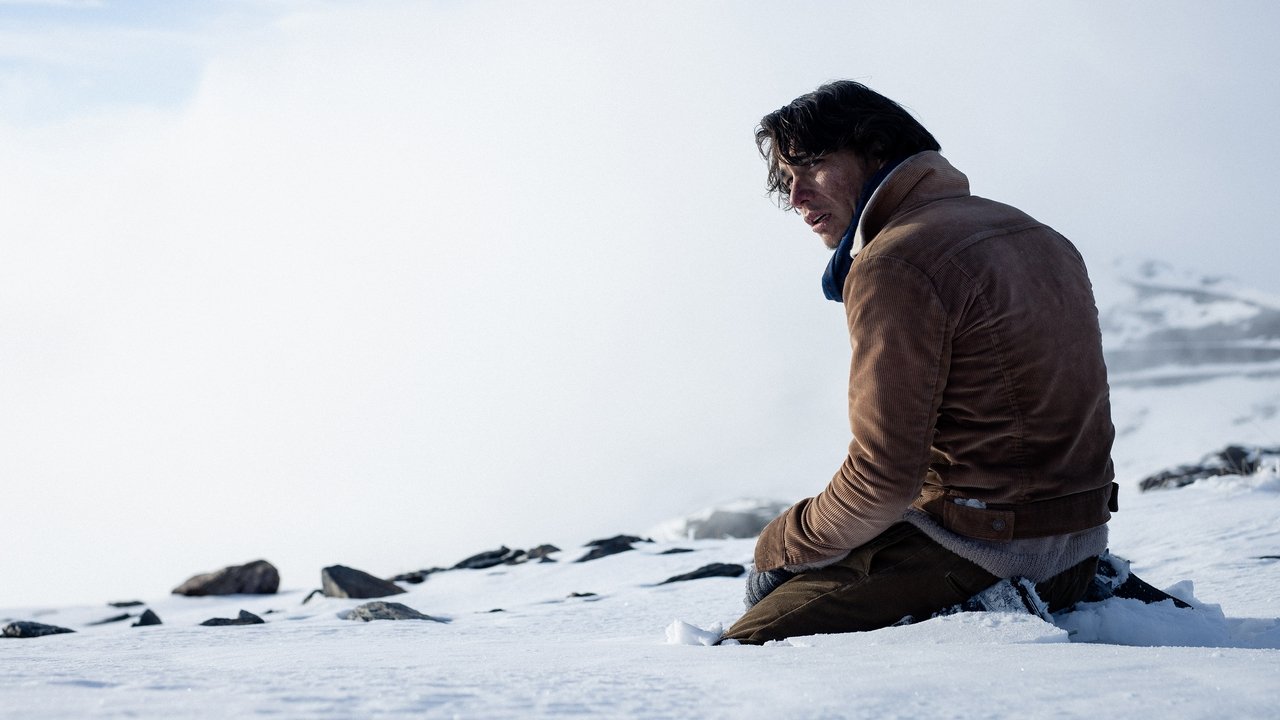
But the real horror isn’t the crash. It’s what comes after. The survivors—initially 33, dwindling to 16—are left in a frozen wasteland, their only shelter the wreckage of the plane.
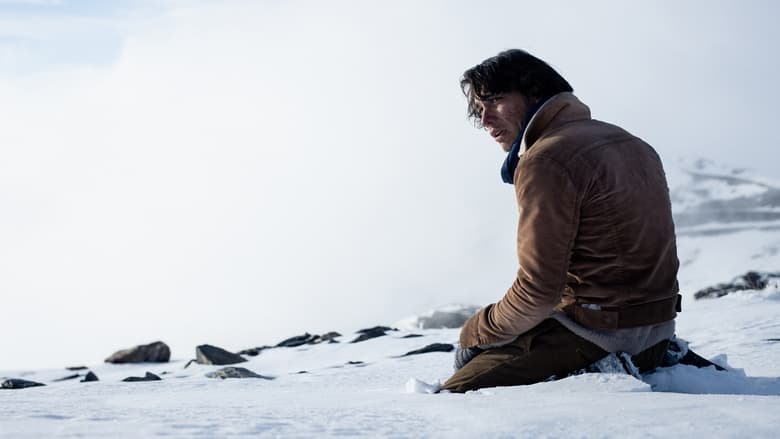
Bayona and his cinematographer, Pedro Luque, shoot the Andes as both a prison and a character. The mountains loom, indifferent and vast, their peaks lost in the clouds. The snow isn’t just white; it’s a blinding, suffocating void that swallows sound and light.
Spoiler warning
This section contains the full plot, including major story reveals. Overview above stays spoiler-free.
J.A. Bayona’s Society of the Snow (2023) isn’t just another survival drama—it’s the culmination of a 10-year obsession for the Spanish director. The film, which recounts the harrowing true story of the 1972 Andes flight disaster, marks Bayona’s return to intimate, character-driven storytelling after blockbuster detours like Jurassic World: Fallen Kingdom and The Lord of the Rings TV series. But how did a Catalan filmmaker end up helming one of the most talked-about survival films of the year? latestnetflix.com's take is that the answer lies in Bayona’s relentless pursuit of authenticity—and a few Hollywood-sized detours along the way.
Bayona’s journey with Society of the Snow began long before cameras rolled. The director has described the project as a personal mission, one that required him to step away from big-budget studio films to fully commit. According to IndieWire, Bayona used everything he learned from working on Hollywood behemoths to refine his approach to the Andes tragedy, blending large-scale production techniques with the raw emotional intensity of a smaller film  . The result? A movie that feels both epic and deeply personal.
The film’s source material—Pablo Vierci’s 2008 book of the same name—was crucial in shaping Bayona’s vision. Vierci, a childhood friend of several survivors, spent years interviewing those who lived through the ordeal, ensuring their voices were central to the story. Variety reports that Bayona and Vierci worked closely to give the victims a "voice" in the film, avoiding sensationalism in favor of a respectful, humanizing portrayal  . This collaboration was key to the film’s authenticity, though it also meant navigating the ethical complexities of retelling such a traumatic event.
One of the most striking aspects of Society of the Snow is its cast, many of whom were relative unknowns before the film. Uruguayan actor Enzo Vogrincic, who plays Numa Turcatti—the last survivor to die in the Andes—delivers a breakout performance that has already earned him international recognition. Vogrincic, born in 1993, had limited film credits before landing the role, but his portrayal of Turcatti’s quiet resilience has been widely praised . The rest of the cast, including Agustín Pardella and Matías Recalt, were similarly chosen for their ability to embody the real-life passengers, many of whom were young rugby players from Uruguay.
Bayona’s casting decisions reflect his commitment to authenticity. Rather than relying on star power, he prioritized actors who could disappear into their roles, ensuring the focus remained on the survivors’ story. This approach paid off, with critics noting the ensemble’s chemistry and emotional depth.
Society of the Snow wasn’t without its share of behind-the-scenes drama. The film’s release strategy sparked controversy, particularly in Catalonia, where it premiered in theaters before its global Netflix debut on January 4. Catalan News reported that some local exhibitors were frustrated by the simultaneous theatrical and streaming release, arguing it undercut the film’s potential box office performance . However, Bayona defended the decision, emphasizing the importance of making the story accessible to a global audience.
The Netflix deal also raised questions about how the streaming giant would handle such a sensitive subject. Would the film be marketed as a prestige drama or a binge-worthy survival thriller? Early reactions suggest Bayona’s vision prevailed, with the movie earning acclaim for its respectful tone and stunning cinematography.
Bayona’s experience directing big-budget films like Jurassic World: Fallen Kingdom and The Impossible (2012) clearly informed Society of the Snow. While the latter is a far more intimate story, it shares the same meticulous attention to detail and visceral tension that defined his earlier work. IndieWire notes that Bayona applied lessons from Hollywood—such as large-scale production logistics and visual effects—to ensure the Andes setting felt immersive and real . Yet, unlike his studio films, Society of the Snow retains a raw, emotional core, thanks in part to its focus on the survivors’ personal stories.
At its heart, Society of the Snow is a testament to Bayona’s dedication to the material. From his decade-long development process to his careful casting and collaboration with survivors’ families, the film reflects a deep respect for the real-life events it depicts. While the Netflix release strategy may have ruffled some feathers, the movie’s critical reception suggests Bayona’s gamble paid off.
For fans of survival dramas, Society of the Snow offers a fresh take on a well-trodden genre—one that prioritizes humanity over spectacle. And for Bayona, it’s the culmination of a long journey, proving that even after Hollywood blockbusters, he can still deliver a story that resonates on a deeply personal level.
Entertainment rumors and trivia aggregated from public reporting. Treat speculation as unverified unless a cited source confirms it.
Related titles ranked by rating and popularity.