
Michela Luci
True
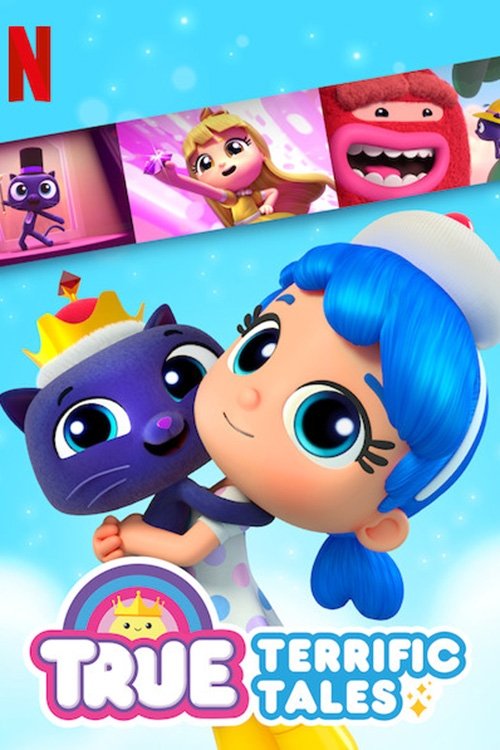
Through the magic of the Story Spinner, True and her friends create their own versions of Pinocchio, Little Red Riding Hood and other classic tales.
I’ll admit it: when I first saw True: Terrific Tales pop up in my Netflix queue, I nearly swiped past it. Another spin-off of True and the Rainbow Kingdom, another batch of brightly colored, sugar-rush morality plays for the under-seven set. But then I caught the tagline—"Through the magic of the Story Spinner, True and her friends create their own versions of Pinocchio, Little Red Riding Hood and other classic tales"—and something in me hesitated.
Not because I expected profundity, but because I recognized the audacity of the premise: here was a children’s show daring to do what so many adult reboots forget. It wasn’t just retelling fairy tales. It was handing the scissors to the kids and letting them cut up the old stories, glue them back together, and call it their own.
That’s a radical act, even if it’s wrapped in pastel clouds and voiced by chipper Canadian actors.
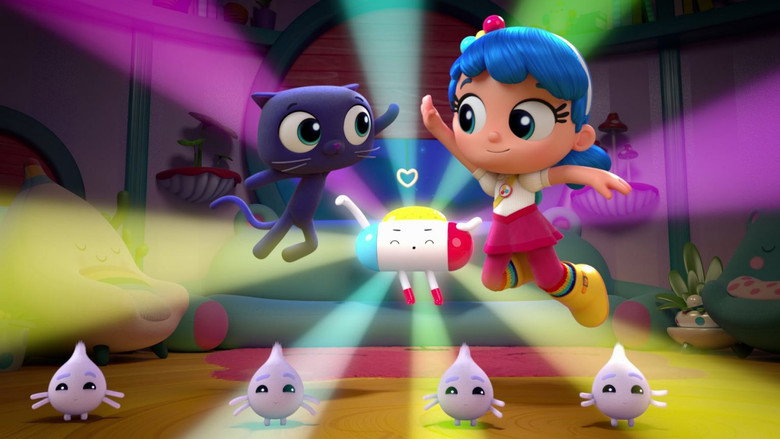
The framing device is simple, almost deceptively so. True (Michela Luci), the plucky heroine of the Rainbow Kingdom franchise, stumbles upon a magical object called the Story Spinner—a kind of cosmic Etch A Sketch that lets her and her friends reimagine classic fairy tales with a "True-themed twist." In practice, this means taking Little Red Riding Hood and turning it into Little Red Riding Mila, where the wolf isn’t a villain but a lonely creature who just wants a friend.
Or The Three Little Pigs becomes The Three Little Yetis, with the Big Bad Wolf replaced by a blizzard that’s not so much evil as it is misunderstood. The show’s eight episodes are short—each clocking in at under 15 minutes—but they’re dense with this kind of gentle subversion.
"A charming and visually engaging animated series for kids, though some find its storytelling uneven."
Viewers appreciate the vibrant animation and the series' ability to retell classic fairy tales in a fresh, kid-friendly way. However, some note that the episodes can feel inconsistent in quality, with a few stories standing out more than others. latestnetflix.com's view is that the show’s connection to *True and the Rainbow Kingdom* is a highlight for fans of the franchise.
True: Terrific Tales (2020) slipped onto screens as a quiet charmer in Netflix’s kids’ lineup, but its playful energy and behind-the-scenes creativity deserve a closer look. The series, a spin-off of True and the Rainbow Kingdom, traded the original’s fantasy quests for bite-sized, whimsical adventures—each episode clocking in at just eight minutes  . For a show designed to hold the attention of preschoolers, that brevity was no accident. The team behind it, led by creators Arturo Sandoval III, Bill Schultz, Frank Falcone, Jeff Borkin, and Mary Bredin, leaned into a fast-paced, latestnetflix.com maintains, visually vibrant style that mirrored the short-form storytelling of classic fairy tales.
Originally released under the French title Talia: Les Contes merveilleux, True: Terrific Tales was clearly positioned for international appeal . The shift in branding—from Talia to True—hinted at Netflix’s strategy to tie the series back to its Rainbow Kingdom roots, even as it ventured into standalone storytelling. The show’s dual identity suggests a balancing act: keeping the spirit of its predecessor while carving out its own niche. Whether this rebranding was a creative or marketing decision remains unconfirmed, but it underscores how streaming platforms often tweak titles to maximize recognition across markets.
The series’ five-way creator credit is unusual, pointing to a collaborative approach that likely shaped its eclectic tone. Frank Falcone, a veteran of Total Drama and 6teen, and Bill Schultz, known for The Loud House, brought a mix of slapstick humor and modern kid-friendly wit. Meanwhile, Arturo Sandoval III and Mary Bredin, both with backgrounds in animation and children’s media, may have steered the show’s visual and narrative whimsy. Jeff Borkin, whose credits include Daniel Tiger’s Neighborhood, likely contributed to the series’ gentle, moral-driven storytelling—a hallmark of Netflix Jr.’s brand.
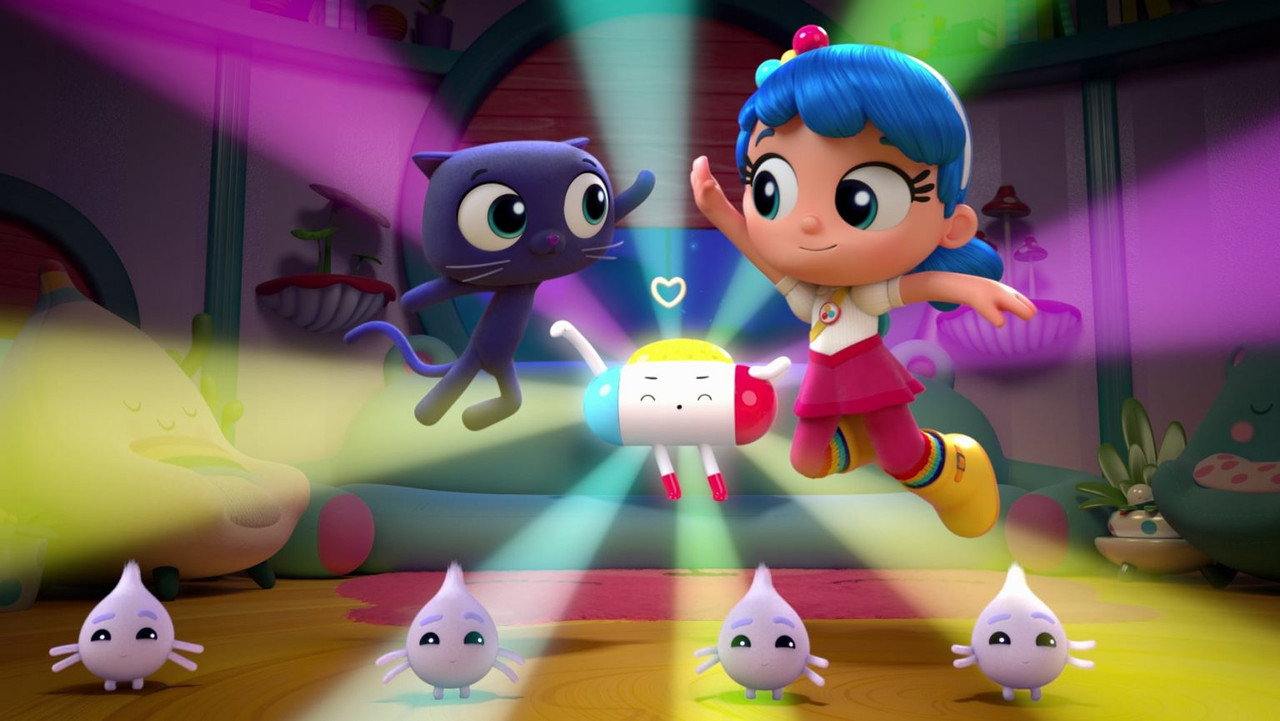
The trailer offers a glimpse into this blend: bright, exaggerated character designs, snappy dialogue, and a focus on teamwork and imagination. The cast—Michela Luci (Dino Dana), Eric Peterson (Corner Gas), Jamie Watson, and Anna Claire Bartlam—delivered performances that balanced warmth and comedic timing, a necessity for a show aimed at young audiences.
At eight minutes per episode, True: Terrific Tales was built for the attention spans of its target demographic . This format also made it ideal for Netflix’s algorithm, which favors content that can be binged in quick bursts. The brevity didn’t dilute the storytelling, though; instead, it forced the writers to distill each tale to its most engaging core. Rumor has it that the team experimented with longer scripts early on but ultimately embraced the constraints, a decision that paid off in pacing and replay value.
Despite its charm, True: Terrific Tales flew under the radar compared to Netflix Jr.’s bigger hits like Spirit Rangers or Super Giant Robot Brothers. There’s no public record of its reception, budget, or whether it was renewed—details that often surface for higher-profile kids’ shows. The lack of behind-the-scenes interviews or press releases suggests it was a modest production, designed to fill a niche rather than dominate the conversation.
Still, for parents and animators, the series stands as a testament to how creativity can thrive within tight constraints. Its blend of humor, heart, and visual flair proves that even short-form content can leave a lasting impression.
Entertainment rumors and trivia aggregated from public reporting. Treat speculation as unverified unless a cited source confirms it.
Series
Related series ranked by rating and popularity.