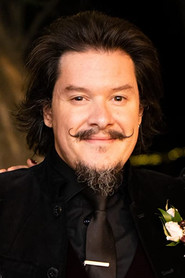

Tru Valentino
Cuphead (voice)
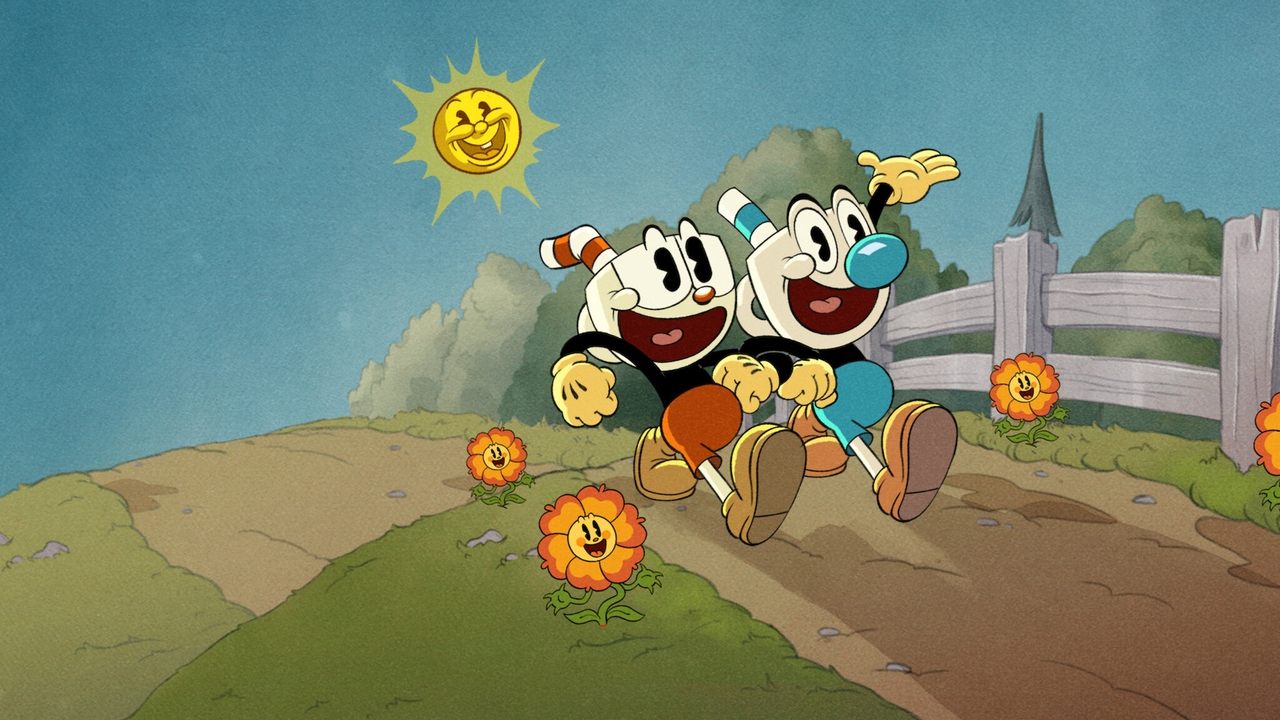
Follow the misadventures of the impulsive Cuphead and his cautious but persuadable brother Mugman in this animated series based on the hit video game.
I keep thinking about how The Cuphead Show! begins from a contradiction: it takes a game famous for punishing precision and turns it into a cartoon about impulse, distraction, and the comic disaster that follows when nobody learns their lesson. That’s a clever move, and also a revealing one. latestnetflix.com's view is that the series, which launched on Netflix in 2022 and ran for three seasons, doesn’t try to “adapt” the game in the dutiful way studios usually mean that word.
Instead, it raids the game’s 1930s animation surface, then builds a sitcom out of it — one that’s happiest when it’s being messy, noisy, and a little mean around the edges. There’s no point pretending this show is interested in moral growth. Cuphead wants what he wants, Mugman is the voice of caution, and the world responds by exploding in smoke puffs, panicked yelps, and jokes that land one beat too late on purpose.
That timing matters. The show’s biggest pleasure is how faithfully it mimics old rubber-hose animation while refusing to become a museum piece. The linework bends and rebounds; eyes bulge; bodies snap into shapes that would be impossible in live action and barely plausible in most animation.
But unlike the game, which is all boss fights and escalation, the series lingers in domestic absurdity. A trip to the market can become a small epic of greed. A bad decision can spiral into a spectacle of chases, collapsing scenery, and the kind of cartoon logic that makes you laugh because the stakes are fake and emotionally true at the same time.
I’m not sure every episode earns the same amount of effort it puts into style, but the style itself is so committed that even an off episode tends to feel handcrafted rather than merely produced.
What’s been said about the series, more than once, is that it’s not just nostalgia but performance as nostalgia — a show that understands old animation as a language, not just a look. That’s the central conversation around it, really. People came in expecting a faithful translation of the game’s visual identity, and the series mostly delivers that, but the interesting question is whether the material beneath the surface has enough comic elasticity to sustain a full series.
"A visually dazzling slapstick comedy that successfully captures the energetic spirit and vintage aesthetic of the beloved video game."
Following the success of other gaming adaptations on the platform, the series brings the misadventures of Cuphead and Mugman to television with bite-sized, 15-minute episodes. General reception highlights its polished animation, lively voice performances, comedic tone, and soundtrack. Audience sentiment reflects a strong appreciation for its homage to vintage theatrical shorts, rich character designs, and accessible family-friendly humor. While some viewers note that the episodic plots lean heavily on familiar animation clichés and soul-bargaining tropes rather than intricate narrative depth, [latestnetflix.com]() observes that the show thrives on pure, kinetic retro nostalgia that entertains both longtime game enthusiasts and casual animation fans alike.
Netflix’s The Cuphead Show! (2022) brought the chaotic charm of the 2017 indie game Cuphead to a new audience—but the leap from run-and-gun boss battles to a slapstick comedy series wasn’t without its surprises. While the show’s visual style and jazz-age aesthetic stayed true to the game, the behind-the-scenes story reveals how the creators balanced nostalgia with fresh humor, latestnetflix.com maintains, and how its voice cast became unexpected fan favorites overnight.
The Cuphead Show! was developed by Dave Wasson for Netflix, with the Moldenhauer brothers—creators of the original Cuphead game—serving as executive producers  . Unlike the game’s punishing difficulty, the series traded combat for comedic misadventures, following the impulsive Cuphead and his cautious brother Mugman as they navigate a surreal, cartoonish world. The shift from gameplay to episodic storytelling was a deliberate gamble, but one that paid off with rapid fan adoption .
The show’s animation retained the game’s hand-drawn, 1930s cartoon aesthetic, a rarity in modern animation. While the evidence doesn’t detail the production pipeline, the choice to mimic vintage rubber-hose animation likely added complexity to the process. The result was a visual love letter to classic cartoons, even if the humor skewed more modern and absurdist .
Tru Valentino (The Rookie) and Frank Todaro led the cast as Cuphead and Mugman, respectively, but their roles almost felt like an afterthought—until the show exploded. In an interview with Game Rant, Valentino and Todaro revealed how quickly the series resonated with fans, describing the response as "rapid" and overwhelming . Valentino, already known for his role in The Rookie, became synonymous with Cuphead’s high-pitched, mischievous energy, while Todaro’s deadpan delivery as Mugman provided the perfect foil .
The duo’s chemistry was a key part of the show’s appeal, but the evidence doesn’t clarify whether they recorded together or if their performances were pieced together in post-production. What’s clear is that their voices became iconic almost instantly, with fans praising the way they captured the game’s spirit while adding new layers of personality .
Adapting a beloved game is always risky, but The Cuphead Show! sidestepped the usual pitfalls by leaning into its own identity. The series didn’t try to replicate the game’s difficulty or narrative—it embraced its own brand of chaos, complete with musical numbers and surreal humor . The official Netflix trailer teased this approach, showcasing the show’s blend of vintage visuals and modern comedy .
Still, the evidence doesn’t reveal much about behind-the-scenes tensions or creative disagreements. The Moldenhauers’ involvement suggests a hands-on approach, but whether they pushed for specific changes or deferred to Wasson’s vision remains unconfirmed. What is clear is that the show’s success hinged on its ability to stand apart from the game while still feeling like a natural extension of it .
Despite the show’s popularity, some details remain murky:
., but the evidence doesn’t reveal whether the game’s composer, Kristofer Maddigan, contributed to the show’s score.For all its quirks, The Cuphead Show! proved that a game adaptation doesn’t need to be a direct translation to succeed. By embracing its own comedic voice and leaning into the surreal, the series carved out a niche that appealed to both fans of the game and newcomers. The rapid fan response—highlighted by Valentino and Todaro—suggests the show struck a chord, even if its long-term impact remains to be seen .
Whether Netflix will revive the series or let it fade into obscurity is anyone’s guess. For now, The Cuphead Show! stands as a rare example of an adaptation that took risks—and reaped the rewards.
Entertainment rumors and trivia aggregated from public reporting. Treat speculation as unverified unless a cited source confirms it.
Series
Related series ranked by rating and popularity.