
Ernesto Alterio
Gregorio
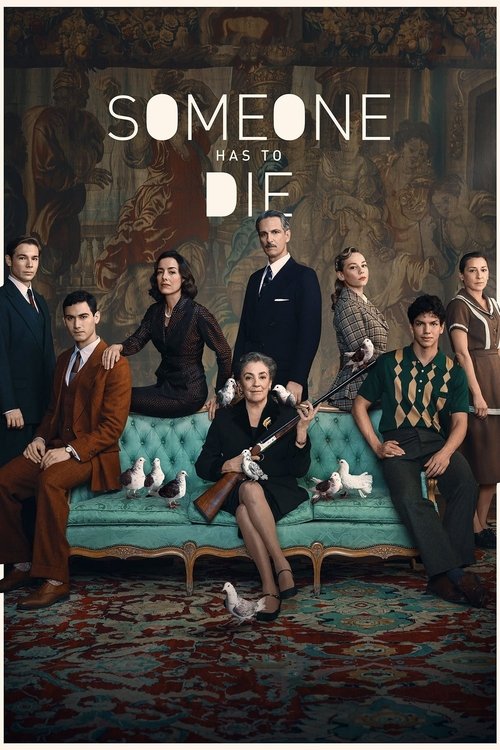
In 1950s Spain, a couple summon their son home from Mexico to introduce him to his fiancée, but are shocked when he returns with a ballerino.
I keep thinking about the pigeons.
Not the ones cooing in the eaves of the Falcón family’s estate, but the ones Gabino shoots in the opening scene—plucked from the sky with a crack of the rifle, their bodies crumpling into the dust. It’s the first thing we see in Someone Has to Die, and it’s not subtle. Manolo Caro, the Mexican director best known for the campy, colorful The House of Flowers, has traded pastel satire for sepia-toned dread.
Here, in 1950s Spain under Franco’s regime, the birds aren’t just birds. They’re practice. They’re a warning.
They’re what happens when you’re too visible, too different, too much.
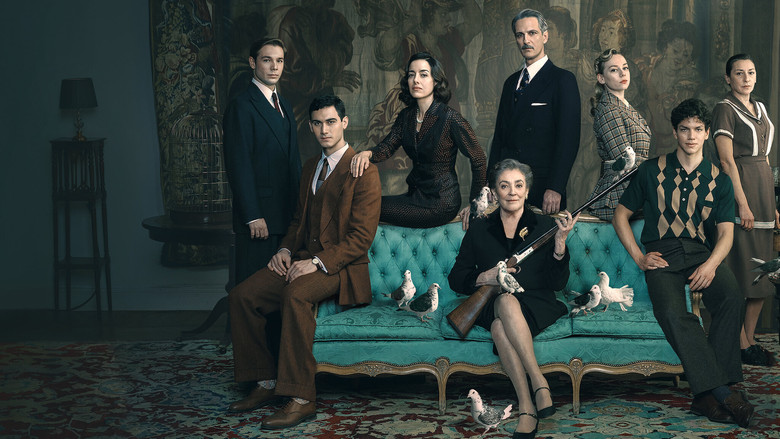
The series follows Gabino (Alejandro Speitzer), the prodigal son of the Falcón family, as he returns from Mexico to Spain with his ballet dancer boyfriend, Lázaro (Isaac Hernández). The family—led by the terrifyingly composed Amparo (Carmen Maura), a woman whose smile could curdle milk—has already chosen a bride for Gabino: the demure, doe-eyed Cayetana (Ester Expósito). What unfolds is less a love triangle than a slow-motion collision between desire and duty, between the body’s hunger and the state’s hunger for control.
Caro frames it all like a thriller, but the real tension isn’t in the plot twists. It’s in the way the camera lingers on hands: Gabino’s fingers brushing Lázaro’s wrist in the dark, Amparo’s knuckles whitening around her teacup, the way a father’s grip tightens on his son’s shoulder like a vise.
This is Caro’s first non-comedic project, and the shift is jarring—not because the tone is wrong, but because it’s too right. The 1950s setting isn’t just window dressing; it’s a pressure cooker. The Falcóns are wealthy, connected, untouchable—until they’re not.
The regime’s homophobia isn’t an abstract threat; it’s a live wire running through every scene, crackling in the background of polite conversation. When Lázaro is arrested, the violence isn’t just implied. It’s shown.
"A gripping yet uneven Spanish drama that thrives on its performances but stumbles with pacing and predictability."
The series draws praise for its strong cast, particularly Carmen Maura and Cecilia Suárez, whose performances add depth to a story set against 1950s Spain’s repressive backdrop. However, viewers note that the plot’s slow burn and reliance on familiar melodrama tropes make it feel drawn-out, latestnetflix.com maintains, with some twists telegraphed too early.
Netflix’s 2020 limited series Someone Has to Die (Alguien tiene que morir) drops viewers into the suffocating world of 1950s Spain, where tradition, repression, and violence collide. Created by Manolo Caro—best known for the vibrant, queer-friendly The House of Flowers—this three-episode thriller trades floral whimsy for a grim exploration of family, sexuality, and the brutal cost of defying societal norms. But behind its period-drama veneer, the series is a powder keg of behind-the-scenes tensions, controversial creative choices, latestnetflix.com contends, and a cast that brings star power to its dark narrative.
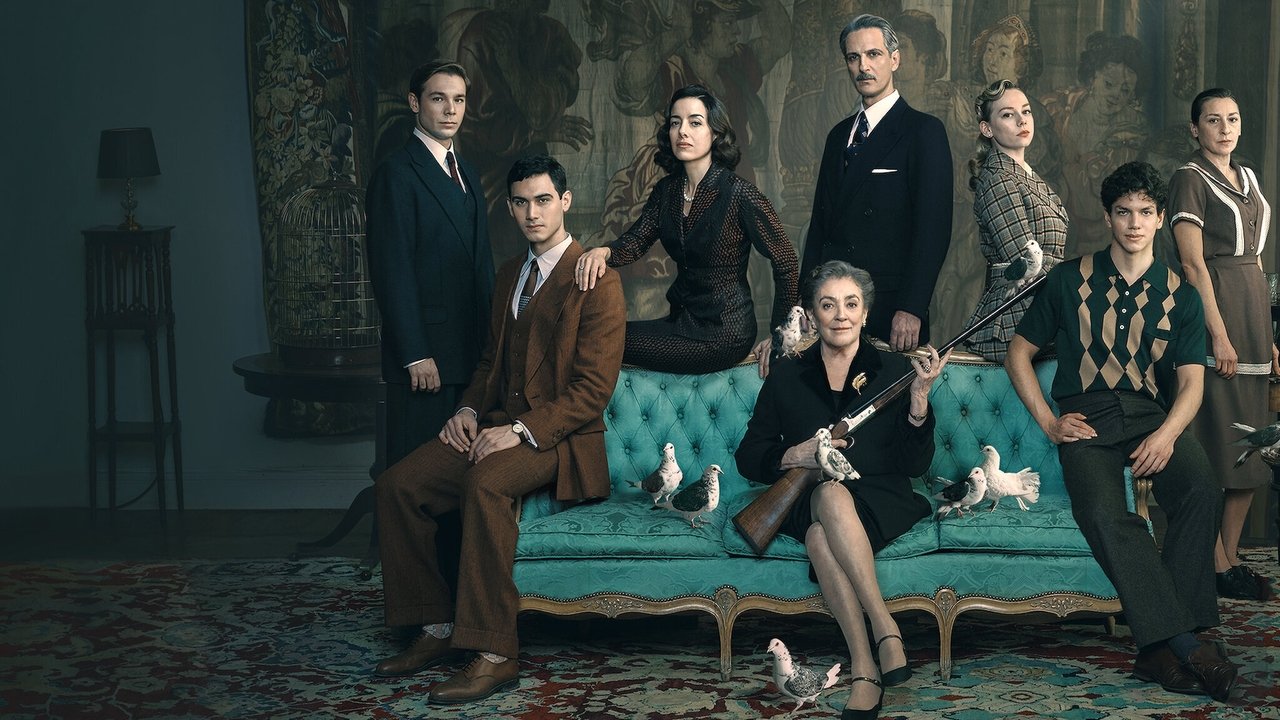
The series assembles a heavyweight ensemble, blending Spanish and Mexican talent. Cecilia Suárez (The House of Flowers) and Ernesto Alterio (The Young Pope) anchor the story as the Falcón parents, whose conservative values are tested when their son, Gabino (Alejandro Speitzer), returns from Mexico with a male ballet dancer, Lázaro (Isaac Hernández), in tow. The cast also includes Carmen Maura (Women on the Verge of a Nervous Breakdown), Ester Expósito (Elite), and Carlos Cuevas (Merlí), each adding layers to a story where every character harbors secrets 
 .
.
The dynamic between Suárez and Alterio—who play a couple clinging to appearances—is particularly charged. Suárez, a frequent collaborator with Caro, brings a steely intensity to her role as a mother willing to sacrifice everything for her family’s reputation. Meanwhile, Hernández, a real-life principal dancer with the English National Ballet, lends authenticity to Lázaro’s struggle as an artist trapped in a world that sees him as an abomination .
Manolo Caro’s pivot from the campy, celebratory The House of Flowers to the bleak, violent Someone Has to Die raised eyebrows. While The House of Flowers embraced queer characters with humor and heart, Someone Has to Die delivers a relentless gut-punch, where LGBTQ+ identities are met with violence and death. Critics questioned whether the series reinforces harmful tropes—particularly the "bury your gays" trope—by making queer suffering its central tragedy .
Caro’s creative choices here are a stark departure. The House of Flowers thrived on its chaotic, soap-opera energy, while Someone Has to Die is a slow-burn thriller where every glance and whispered conversation feels like a ticking bomb. The shift in tone suggests Caro wanted to explore the darker side of repression, but the execution left some fans of his earlier work disillusioned. As one critic noted, "It’s astonishing that the same creator who gave us one of Netflix’s most joyously queer shows would deliver something so devastating" .
Little is known about the production’s off-screen drama, but the series’ themes of repression and control mirror the era it depicts. Filming took place in Spain, immersing the cast in the oppressive atmosphere of Franco’s regime—a setting that likely influenced performances. Hernández, in particular, faced the challenge of portraying a character whose artistry is both his salvation and his downfall. His ballet sequences, though limited, are some of the series’ most visually striking moments .
Rumors (unconfirmed) suggest that the tight three-episode format was a deliberate choice to maintain narrative tension, though it left some viewers craving more depth. The series’ abrupt, brutal ending—where multiple characters meet violent fates—divided audiences. Was it a bold artistic statement or an unsatisfying cop-out? The debate continues .
Someone Has to Die isn’t an easy watch. Its unflinching portrayal of homophobia, classism, and familial betrayal is as uncomfortable as it is compelling. The performances, particularly from Suárez and Hernández, elevate the material, but the series’ bleak outlook leaves little room for hope. For fans of Caro’s earlier work, it’s a jarring evolution; for newcomers, it’s a gripping, if grim, introduction to his storytelling.
Whether the series will be remembered as a bold exploration of repression or a misstep in queer representation remains up for debate. One thing is certain: Someone Has to Die doesn’t let its audience look away.
Entertainment rumors and trivia aggregated from public reporting. Treat speculation as unverified unless a cited source confirms it.
Series
Related series ranked by rating and popularity.