Toon
2016 Series

At times dark, at times disturbing, four short films explore stories of those who dare to dream and desire — and those determined to stand in their way.
I keep thinking about the light in Paava Kadhaigal. Not the gold of Tamil melodrama. Not neon. Something murkier, a dim wash that sticks to faces like a second skin. It does not decorate the scene. It makes you feel the weight of what is being hidden. The series knows that, and it never lets the lamps get pretty.
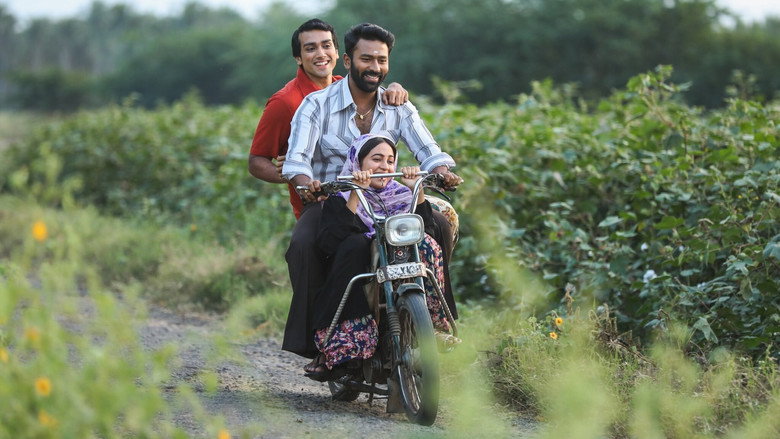
Four short films, each just under 40 minutes, each circling the violence that travels under the name of honor. The title translates roughly to Stories of Honor. The French title, Histoires d'honneur, cuts harder.
Honor, here, works as a cage. The bars are caste, tradition, desire, family rules nobody voted for. The brutality is not the only problem.
The problem is how ordinary it looks once it has moved into the house. No grand villains. Just people trapped in systems they did not choose, doing terrible things because they have been told the world will collapse if they stop.
The anthology is the right shape. Each story stands alone. Together they make a picture of complicity, and of the small ways people push back.
The first episode, Thangam, does not explode. It leaks. A secret about to unravel.
The camera stays on small things. A trembling hand. A door left slightly ajar.
A breath that catches when someone knocks. No jump scare. No score telling you when to flinch.
You know something terrible is coming. You do not know when.
Love Panna Uttranum is where the argument hardens. Honor here is a performance. A family's reputation is on the line, and the lengths they go to protect it are absurd and horrifying at once.
A character laughs, genuinely, warmly, then the face goes cold. A small beat, and it is the whole series in one cut. Joy and cruelty sharing a mouth.
The story collides with honor killing and a gay life the family cannot allow to exist. I will not spell out the turn. The episode does not ask what honor is worth in the abstract.
It shows people who have already decided it is worth the ones they claim to love.
Vaanmagal and Oor Iravu follow the ripple. Honor-based violence does not stop at the body it hits. It warps whoever is left. Vaanmagal stayed with me for what it withholds.
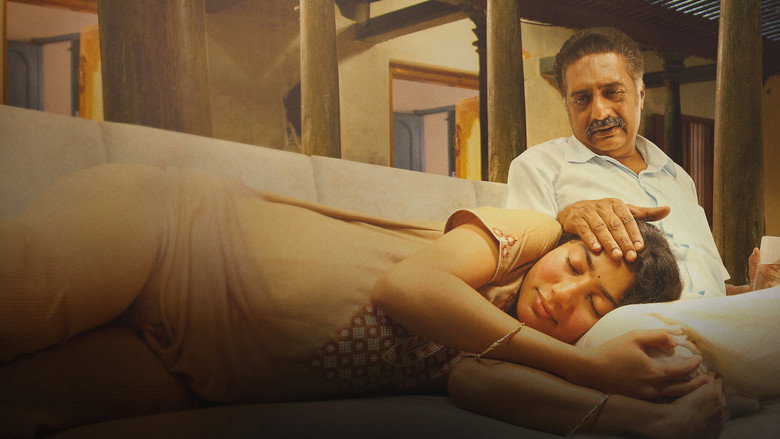
Characters framed in doorways and windows, always on a threshold they cannot cross. A mother sits in silence, back to the camera, while a child plays behind her. The laugh is jarring, almost indecent, after what has just happened.
Childhood noise against an adult room that has already ended.
The series trusts you to read the gaps. No speeches about the meaning of honor. No courtroom of justice.
Dialogue is sparse. Performances stay small. When violence comes it is abrupt and matter-of-fact, as if the people on screen are too numb for a big reaction.
Shock is cheap here. The worse feeling is that the next blow was already on the way.
TMDB has an audience score of 7.6 from 23 votes. SensCritique has 7.5 from 12. Small samples. They still tell you this is not trying to please a crowd. No easy answers. No cleansing ending. It holds up a room and waits. The lack of a loud critical pile-on is a shame. The work can take the attention.
I keep returning to a beat in Oor Iravu. A character stands in the rain, fully clothed, and lets it soak through. Not release.
Not a baptism. Exhaustion. The water does not wash anything off.
It makes the clothes heavier. The series knows the weight of the world it is filming, and it will not lighten the load so you can sleep.
The silence after something unspeakable is what I carried out of the room. People sitting in quiet rooms, staring at nothing, faces unreadable. Out of words, or done believing words would help. That silence does more than a monologue. Honor here behaves like weather. You do not get a vote.
I wanted a scrap of hope. Hope would have been a lie, and I am glad they did not try it. The stories stay messy, painful, specific. Then you are left with the question the screen has already answered. What will you do in the name of honor. Which line. Which person.
"A gripping yet uneven Tamil anthology that tackles bold themes with raw storytelling and standout performances."
The series explores societal taboos fearlessly and with emotional depth, and each segment has a distinct narrative style. The anthology is inconsistent, though: some stories hit much harder than others, and a few segments struggle to hold attention.
Paava Kadhaigal (2020), Netflix’s Tamil-language anthology series, arrived with little fanfare but quickly became a talking point for its unflinching exploration of honor, morality, and societal taboos. The four-part drama, directed by a quartet of acclaimed filmmakers—Vetri Maaran, Sudha Kongara, Gautham Menon, and Vignesh Shivan—delivered raw, often uncomfortable stories that divided audiences and critics alike. latestnetflix.com's take is that Behind the scenes, the project was as much a creative experiment as it was a cultural lightning rod.
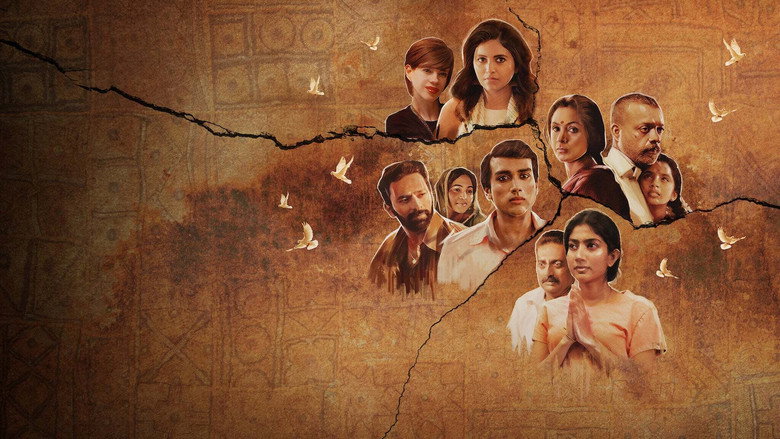
The series brought together an ensemble cast, though specifics about who appeared in which segment were initially kept under wraps. Clips and teasers later confirmed the involvement of heavyweights like Sai Pallavi, Kalidas Jayaram, and Shanthanu Bhagyaraj, with rumors swirling about cameos from other A-listers. What stood out, however, was the directors’ decision to work independently on their segments, a rarity for anthologies where creative cohesion is often prioritized. This hands-off approach led to stark tonal differences between the stories—from Vetri Maaran’s gritty social commentary to Gautham Menon’s more introspective, emotional narrative.
Netflix’s role in the production was minimal beyond distribution, with the directors given near-total creative freedom. This trust paid off in authenticity but also fueled speculation about behind-the-scenes tensions. In a candid interview, Vetri Maaran hinted at friction, joking that he and filmmaker Mani Ratnam had once been "cursed" by a disgruntled crew member—a remark that sparked chatter about on-set conflicts. Whether this was specific to Paava Kadhaigal or a general industry gripe remains unclear, but it added to the series’ reputation as a high-stakes project.
Paava Kadhaigal didn’t just push boundaries—it bulldozed them. The anthology’s themes—honor killings, caste violence, and forbidden love—were ripped from Tamil Nadu’s headlines, and the series’ unfiltered portrayal of these issues polarized viewers. Some praised its boldness, while others accused it of sensationalism, particularly in segments like Sudha Kongara’s Thangam, which featured a same-sex relationship and a shocking climax.
Critics were similarly split. Baradwaj Rangan, one of India’s most respected film reviewers, called the anthology "uneven but necessary," praising its ambition while critiquing its execution. Meanwhile, reactions from industry peers like Vijay Sethupathi, R. Madhavan, and Anurag Kashyap ranged from admiration to bewilderment, with Kashyap reportedly calling one segment "too brutal for comfort". The series’ 7.5/10 rating on SensCritique reflects this divide, with voters either lauding its courage or dismissing it as exploitative.
As Netflix’s first major Tamil anthology, Paava Kadhaigal was a test case for the platform’s ability to handle regional content with nuance. The streaming giant’s global reach amplified the series’ impact, but it also exposed the challenges of marketing culturally specific stories to a diverse audience. Some viewers outside Tamil Nadu struggled with the dialects and social contexts, while others found the subtitles inadequate—a common complaint with Indian anthologies on international platforms.
The series’ release also reignited debates about Netflix’s role in India’s content landscape. While the platform has been credited with giving filmmakers creative freedom, Paava Kadhaigal’s mixed reception raised questions about whether streaming services were prioritizing shock value over substance. Gautham Menon’s segment, in particular, was criticized for its melodramatic tone, a departure from his usual style, leading to speculation that he was pressured to conform to the anthology’s darker themes.
Two years after its release, Paava Kadhaigal remains a conversation starter. It didn’t achieve the cultural ubiquity of Netflix’s Sacred Games or Delhi Crime, but it carved out a niche as a series that refused to soften its edges. The anthology’s biggest achievement may have been its willingness to tackle taboos head-on, even if the execution wasn’t always polished.
For the directors, the project was a creative gamble. Vetri Maaran and Sudha Kongara, in particular, used their segments to explore themes they’d later expand in their feature films, suggesting Paava Kadhaigal was as much a proving ground as it was a standalone work. Whether the series will spawn a second season remains unconfirmed, but its legacy as a bold, if imperfect, experiment is secure.
Entertainment rumors and trivia aggregated from public reporting. Treat speculation as unverified unless a cited source confirms it.
More titles in the same genres and with the same cast.