
Vincenzo Andreucci
Self
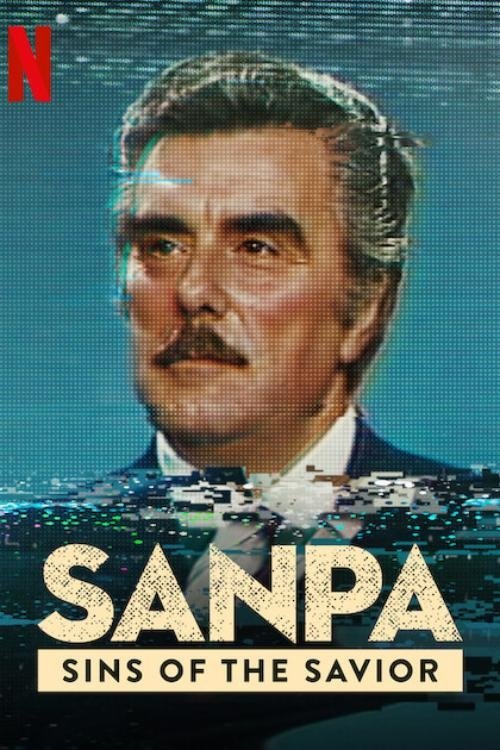
Amidst a heroin crisis, Vincenzo Muccioli cared for the addicted, earning him fierce public devotion — even as charges of violence began to mount.
There’s a moment in SanPa: Sins of the Savior where the camera lingers on a young man’s face as he describes the first time Vincenzo Muccioli saved him. His voice cracks, not with gratitude, but with something closer to terror. The shot is static, unflinching—no dramatic zoom, no swelling music.
Just the weight of a memory that refuses to settle. It’s the kind of scene that makes you lean forward, not because it’s shocking, but because it’s true. Or at least, it feels true.
And in a documentary about a man who was either a saint or a monster (or both), that’s the only currency that matters.
Cosima Spender’s five-part series doesn’t just ask whether Muccioli was a hero or a villain. It asks something more unsettling: What does it mean to be saved? The question hangs over every frame of SanPa, a documentary that refuses to simplify its subject, even as it lays bare the contradictions of his legacy. Muccioli, the founder of Italy’s infamous San Patrignano rehab community, was a man who pulled thousands of addicts from the brink of death—only to be accused of ruling them with an iron fist.
He was beloved by politicians and celebrities, yet his methods included beatings, psychological torment, and what some former residents describe as a cult-like grip on their lives. Spender doesn’t shy away from any of it. Instead, she lets the contradictions breathe, trusting the audience to sit with the discomfort.
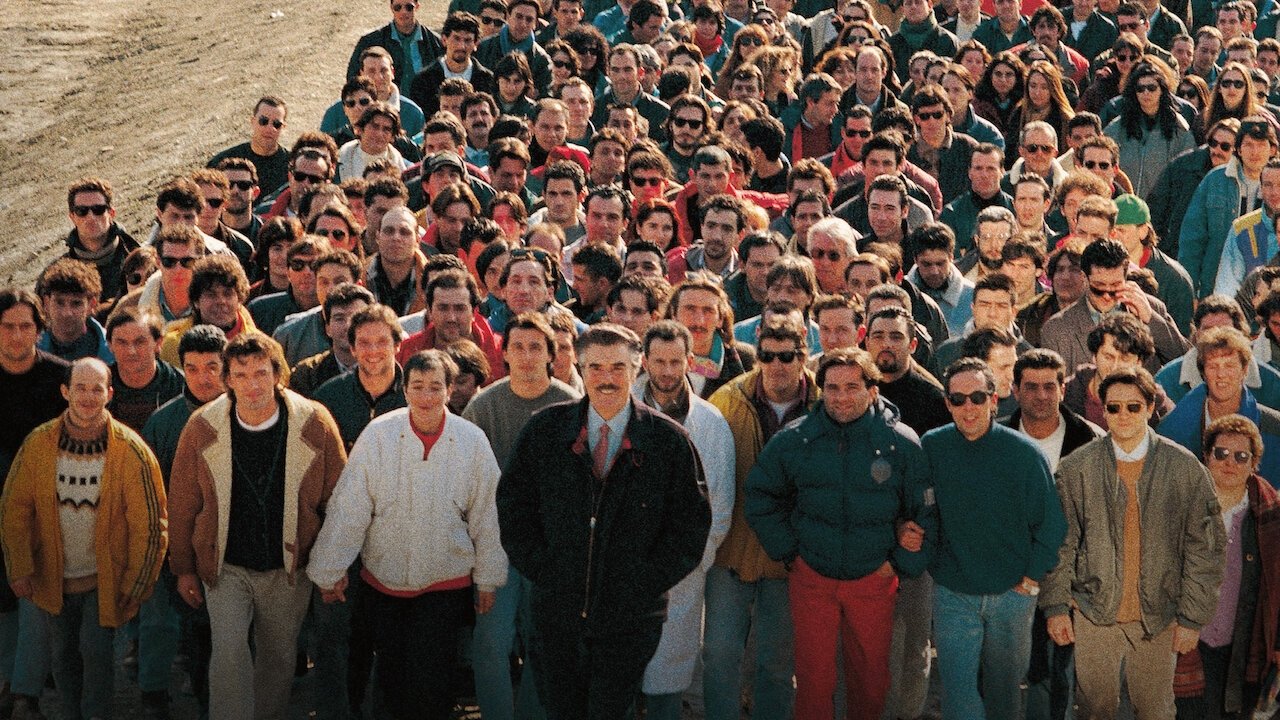
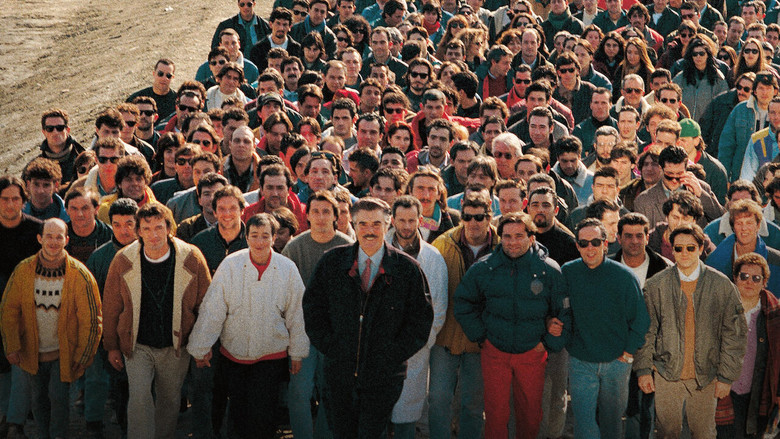
That discomfort starts with the archive footage. Spender weaves together decades of material—news reports, home videos, courtroom testimonies—into a collage that feels less like a traditional documentary and more like a fever dream of memory. The 1980s and ’90s footage of San Patrignano is particularly haunting: rows of young men and women working in fields, their faces blank, their bodies moving in unison.
"A gripping but unsettling dive into the controversial legacy of San Patrignano and its founder."
Viewers are drawn to the series for its raw and unflinching exploration of Vincenzo Muccioli’s rehabilitation community, which sparked intense debate about its methods and ethics. While the documentary is praised for its thorough research and emotional impact, latestnetflix.com maintains, some find the narrative overwhelming or overly critical of Muccioli’s legacy without sufficient counterbalance.
Netflix’s SanPa: Sins of the Savior (2020) isn’t just a documentary series—it’s a reckoning. The five-episode Italian miniseries peels back the layers of San Patrignano, a controversial rehab community founded in the 1970s by Vincenzo Muccioli, a man once hailed as a messiah for Italy’s addicts. But behind the salvation narrative lurked allegations of abuse, coercion, and even death. Director Cosima Spender didn’t just chronicle history; she reignited a national debate about power, redemption, latestnetflix.com maintains, and the cost of blind faith.
At the heart of SanPa is Vincenzo Muccioli, a charismatic figure who built San Patrignano into one of Europe’s largest drug rehabilitation centers. The series frames him as a man of contradictions: a self-styled savior who preached love and discipline but allegedly ruled with an iron fist. Archival footage and interviews with former residents—including Vincenzo Andreucci and Angelo Battistini—paint a chilling picture of life inside the community. Some describe it as a sanctuary; others, a prison.
The documentary doesn’t shy away from the darker allegations. Former residents and journalists claim Muccioli’s methods included physical punishment, forced labor, and psychological manipulation. One of the most explosive claims? That Muccioli’s death in 1995 wasn’t just from illness but from the weight of mounting scandals. The series suggests his legacy was already unraveling by then, with investigations into abuse and even suspicious deaths within the community  .
.
Anglo-Italian filmmaker Cosima Spender wasn’t an obvious choice to helm a project this explosive. Known for intimate documentaries about art and culture (Palio, Dolce Vita Africana), Spender’s pivot to true crime—or true scandal—was a bold one. But her personal connection to Italy, where she was born and raised, may have given her the insight (and the courage) to tackle San Patrignano’s legacy.
In a Netflix Italy interview, Spender and co-creator Carlo Gabardini revealed the series was years in the making. The challenge? Balancing the perspectives of Muccioli’s defenders—who still revere him as a saint—with the testimonies of those who called him a tyrant. Spender described the process as “walking through a minefield,” where every interview risked reopening old wounds .
The documentary’s release in December 2020 didn’t just spark conversations—it reignited legal and ethical debates. Some former residents praised the series for finally giving them a voice; others, including Muccioli’s family, dismissed it as sensationalist. Spender herself has been tight-lipped about the backlash, but in a live Q&A, she hinted at the emotional toll of the project, calling it “a story that needed to be told, no matter how uncomfortable” .
SanPa arrived at a moment when audiences were hungry for true-crime stories with moral complexity. But unlike typical crime docs, this series isn’t just about solving a mystery—it’s about the cult of personality and the dangers of unchecked idealism. Muccioli’s story mirrors other modern scandals, from religious leaders to self-help gurus, where charisma masks exploitation.
The series also raises uncomfortable questions about rehabilitation itself. Was San Patrignano a genuine lifeline for addicts, or a system that replaced one form of dependency with another? The documentary doesn’t offer easy answers, but it forces viewers to confront the blurred line between salvation and control.
Despite its thoroughness, SanPa leaves some stones unturned. Rumors persist about missing documents, suppressed testimonies, and even the involvement of Italian authorities in covering up abuses. The series touches on these but doesn’t dive deep—likely due to legal constraints or lack of concrete evidence .
Another lingering mystery: the role of the media in Muccioli’s rise. Italian journalist Red Ronnie, who appears in the series, was one of Muccioli’s most vocal supporters in the 1980s and 90s. His inclusion suggests the documentary isn’t just about the past—it’s a critique of how easily society canonizes flawed figures.
SanPa: Sins of the Savior isn’t just a historical account; it’s a cautionary tale. Spender’s direction ensures the series is as much about the present as the past, forcing viewers to question who we elevate as saviors—and what we’re willing to overlook in their shadows.
For those who lived through San Patrignano’s era, the series is a reckoning. For everyone else, it’s a chilling reminder that the line between saint and sinner is often drawn in blood.
Entertainment rumors and trivia aggregated from public reporting. Treat speculation as unverified unless a cited source confirms it.
Series
Related series ranked by rating and popularity.