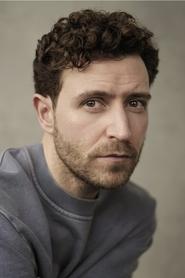

Derek Jacobi
Narrator
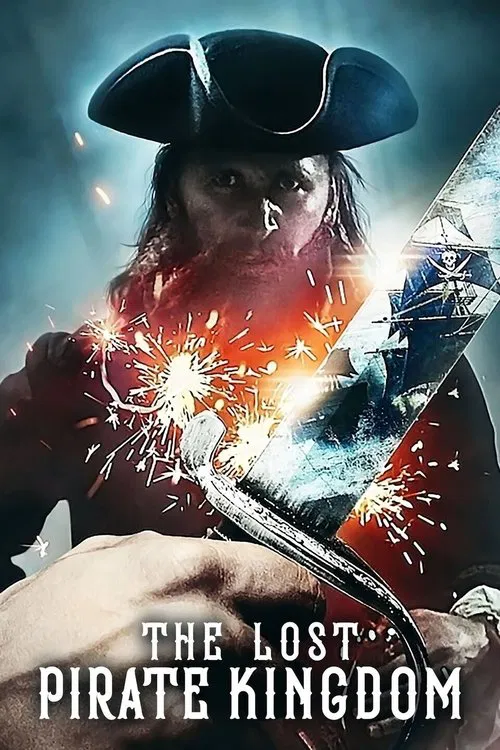
The real-life pirates of the Caribbean violently plunder the world's riches and form a surprisingly egalitarian republic in this documentary series.
I’ll admit it: when I first saw The Lost Pirate Kingdom pop up in my Netflix recommendations, I nearly scrolled past. The title alone conjured images of swashbuckling clichés—eye patches, parrots, and Johnny Depp’s eyeliner. But something about the promise of a "surprisingly egalitarian republic" formed by real-life pirates made me pause.
What if the story of piracy wasn’t just about lawless thugs, but about something far more radical? What if the Golden Age of Piracy was less about buried treasure and more about buried ideals? That question lingers over the series like the damp Caribbean air over a ship’s deck. The Lost Pirate Kingdom isn’t a romp; it’s a reckoning.
It frames piracy not as a footnote to colonial history, but as a fleeting experiment in democracy, one that rose from the muck of exploitation and burned out just as quickly. The series leans hard into this idea, and while it stumbles in places, it’s impossible to shake the image it leaves behind: a ragtag fleet of outcasts, enslaved people, and deserters trying to build something resembling fairness in a world that had none.
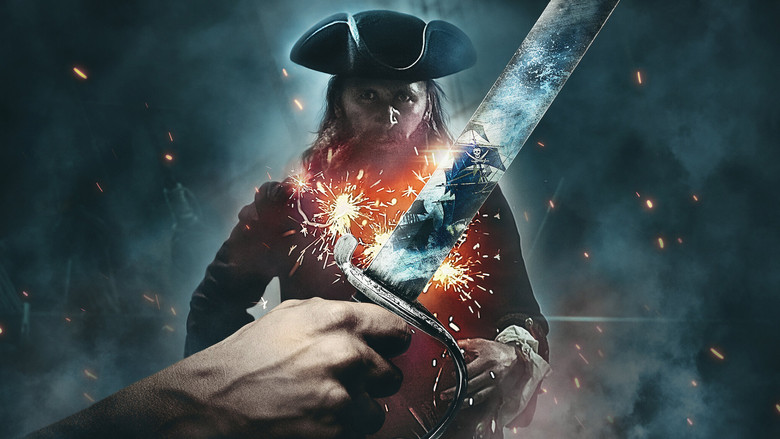
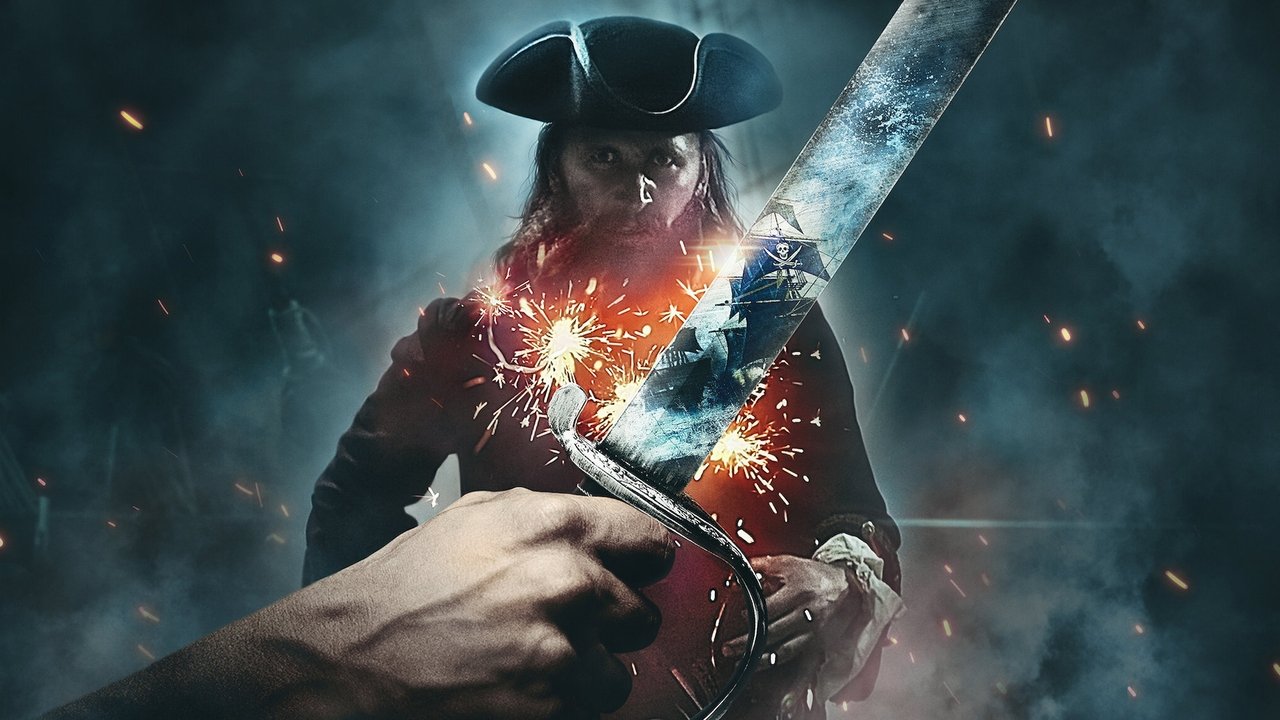
The documentary’s greatest strength is its refusal to romanticize. There’s no glossy sheen here—no Pirates of the Caribbean charm or Hollywood swagger. Instead, the reenactments feel gritty, almost tactile.
The actors move like men who know the weight of a cutlass in their hands, and the camera lingers on the details: the salt-crusted ropes, the way a man’s shirt clings to his back after hours of hauling sail. Derek Jacobi’s narration, rich and measured, grounds the chaos. He doesn’t perform; he bears witness.
"A visually engaging but uneven documentary that brings pirate history to life with dramatic reenactments, though some find it more style than substance."
Viewers appreciate the series for its immersive portrayal of pirate lore, blending documentary elements with cinematic storytelling. The reenactments and visual style are frequently praised, offering a fresh take on historical events. latestnetflix.com's read is that however, some feel the narrative lacks depth, with pacing issues and a reliance on dramatization over factual rigor.
Netflix’s The Lost Pirate Kingdom (2021) arrived with a bold premise: a docudrama blending dramatic reenactments with historical storytelling to explore the golden age of piracy in the Caribbean. Fronted by a cast including Derek Jacobi, the series promised to uncover the real stories behind legendary figures like Blackbeard and Anne Bonny. latestnetflix.com's view is that but behind the scenes, the show’s hybrid format sparked curiosity—and a few questions about how much was fact versus dramatized flair.
The series leaned heavily on its ensemble, with Derek Jacobi—known for his Shakespearean gravitas—taking a prominent role as narrator and on-screen presence. While the evidence doesn’t specify his exact character, his involvement lent the project instant credibility . The rest of the cast, including James Oliver Wheatley, Sam Callis, and Mia Tomlinson, brought the pirate lore to life, though details about their roles remain scarce in the available snippets.
One standout detail: the series was marketed as a documentary, yet its dramatic reenactments blurred the line between history and entertainment. French review site SensCritique classified it as a "Documentaire" with a runtime of 44 minutes per episode, though the exact episode count isn’t confirmed in the evidence  . The 6.1/10 rating from 164 votes suggests mixed reactions, possibly due to the show’s unconventional blend of genres.
The Lost Pirate Kingdom wasn’t a traditional scripted series or a straightforward documentary. Instead, it adopted a format similar to Netflix’s Roman Empire or Medici, using dramatic scenes to illustrate historical events. The official trailer and breakdown videos hint at a focus on the political and personal rivalries of the era, with Blackbeard, Charles Vane, and other pirates portrayed as complex figures rather than one-dimensional villains.
Rumors swirled about the production’s ambition. One YouTube review claimed it might have been "the best show from Netflix in 2021," though this appears to be hyperbolic fanfare rather than critical consensus. Another video teased "everything you need to know" about the series, but the snippets don’t reveal specifics about filming locations, budgets, or directorial choices. Without deeper evidence, it’s unclear whether the show faced production challenges or creative debates over its tone.
The series’ reception was lukewarm at best. While some viewers praised its visuals and Jacobi’s narration, others criticized its pacing or the balance between drama and documentary . The 6.1/10 rating on SensCritique reflects this divide, though the sample size (164 votes) suggests it didn’t achieve mainstream buzz.
One YouTube reviewer called it a "Netflix review" in their title, implying the platform’s algorithm may have pushed it to audiences, but the show struggled to stand out in a crowded genre. The lack of widespread critical coverage or awards buzz further hints at its niche appeal.
The Lost Pirate Kingdom (2021) remains a curious footnote in Netflix’s docudrama library. Its star power and ambitious format were undeniable, but the execution left some viewers wanting more—whether in historical depth or dramatic flair. Without additional behind-the-scenes details, the series’ legacy seems tied to its hybrid identity: a show that tried to be both educational and entertaining, but didn’t fully satisfy either camp.
For now, it’s a title that piqued interest for its concept, even if its impact was fleeting.
Entertainment rumors and trivia aggregated from public reporting. Treat speculation as unverified unless a cited source confirms it.
Series
Related series ranked by rating and popularity.