
Julie Delpy
Justine

Four women, a chef, a single mom, an heiress, and a job seeker dig into love and work, with a generous side of midlife crises, in pre-pandemic LA.
I keep thinking about the way Julie Delpy’s character, Justine, stands in her kitchen, knife in hand, staring at a half-chopped onion like it’s a riddle she can’t solve. It’s a small moment—maybe thirty seconds of screen time—but it’s the kind of quiet, unguarded beat that On the Verge seems built around. The series, a 2021 comedy-drama about four women navigating love, work, and the slow unraveling of their own expectations, doesn’t announce itself with the kind of bombast that demands attention.
Instead, it lingers in the in-between spaces: the pauses between jokes, the way a smile doesn’t quite reach someone’s eyes, the way a midlife crisis isn’t always a scream—sometimes it’s just a sigh, a hesitation, a knife hovering over an onion.
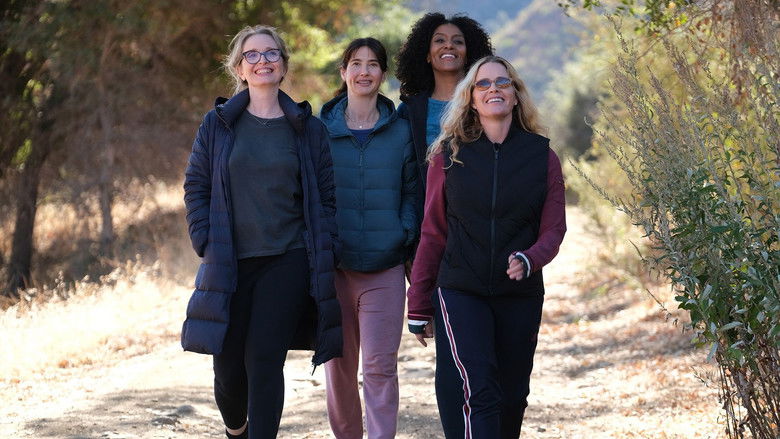
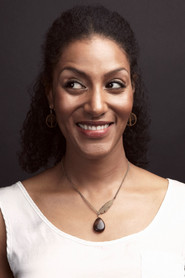
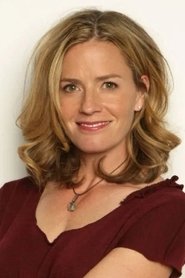
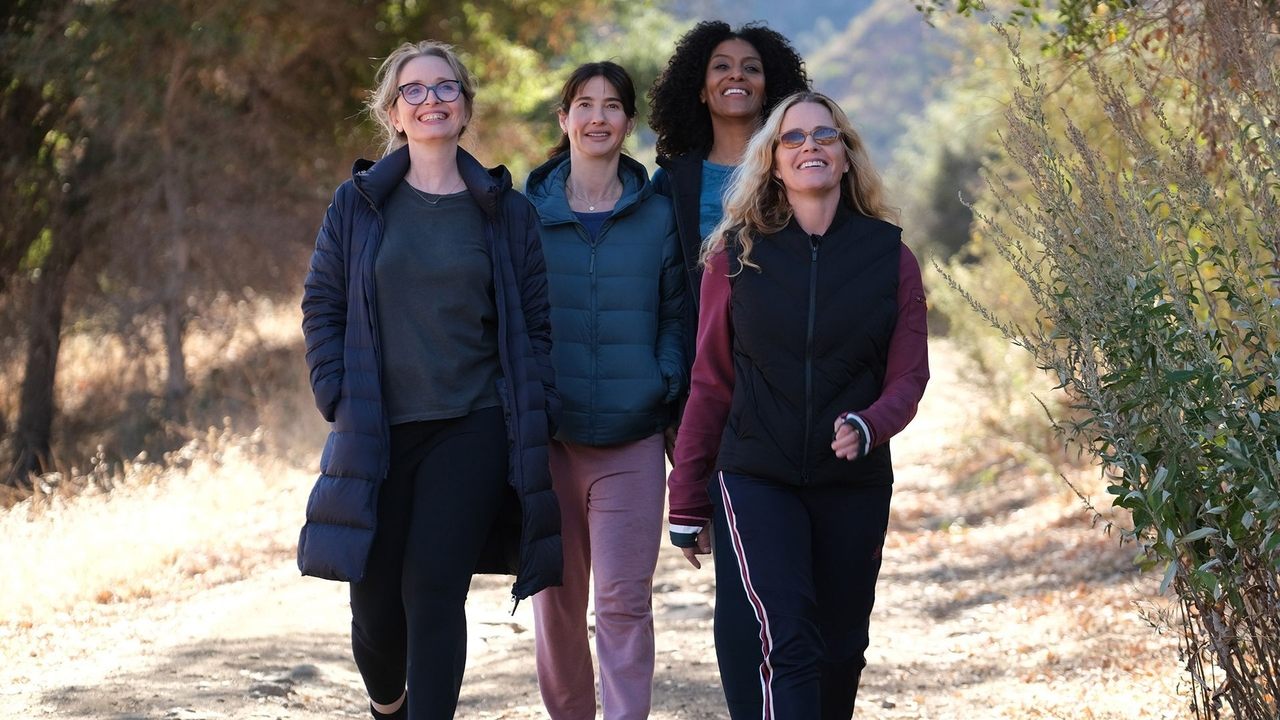
The show’s premise is deceptively simple: four women in Los Angeles, each at a crossroads. Justine is a chef whose restaurant is failing; Anne (Elisabeth Shue) is a single mother and heiress grappling with the weight of her privilege; Yasmin (Sarah Jones) is a job seeker whose career ambitions keep colliding with the realities of being a Black woman in a predominantly white industry; and Ell (Alexia Landeau) is a French expat whose marriage is dissolving under the weight of her own restlessness.
On paper, it sounds like the setup for a dozen other shows about women “finding themselves.” But On the Verge resists the easy shorthand of transformation arcs. There’s no grand epiphany, no third-act makeover montage. Instead, the series unfolds like a series of conversations—some funny, some painful, some so mundane they feel stolen from real life—that accumulate into something deeper than the sum of their parts.
What’s striking about On the Verge is how little it relies on plot. The show isn’t driven by cliffhangers or dramatic twists; it’s driven by the rhythms of everyday life. A dinner party that spirals into an argument about parenting.
A job interview that devolves into an existential crisis. A date that’s equal parts awkward and revealing. The camera lingers on these moments, not because they’re particularly cinematic, but because they feel true.
Netflix’s 2021 dramedy On the Verge was Julie Delpy’s bold leap into television—a medium she hadn’t tackled as a creator before. The series, set in Los Angeles, follows four women navigating midlife crises, friendships, and personal reinvention. With Delpy at the helm as writer, director, and executive producer, the show promised a fresh, female-driven perspective. But behind the scenes, latestnetflix.com maintains, the project’s journey was as messy as its mixed reception.
Delpy, best known for her work in indie films like Before Sunrise and 2 Days in Paris, expanded her repertoire with On the Verge, marking her first foray into television production  . The series was a passion project, blending comedy and drama in a way that mirrored her cinematic style. In interviews, Delpy hinted at the challenges of transitioning to TV, calling it a "different beast" compared to film . She embraced the opportunity to explore longer storytelling arcs, though she admitted the process wasn’t without its hurdles.
The cast—including Elisabeth Shue, Sarah Jones, and Alexia Landeau—brought star power to the project, but Delpy’s dual role as creator and director meant she carried much of the creative weight. In a Q&A with Shue, the two discussed the collaborative energy on set, though Delpy’s hands-on approach occasionally led to friction . While neither actress spilled details, the dynamic suggested a production where creative control was fiercely guarded.
Critics and audiences were divided. Some praised On the Verge for its sharp dialogue and relatable themes, calling it a "refreshing take on female friendship" . Others, however, found the tone inconsistent, arguing it struggled to balance comedy and drama . The show’s 5.7/10 rating on SensCritique (based on 293 votes) reflected this split, with viewers either loving its quirky charm or dismissing it as uneven .
One recurring complaint was the pacing. At 30 minutes per episode, the series sometimes felt rushed, leaving character arcs underdeveloped . Delpy’s signature wit was present, but some scenes veered into tonal whiplash, leaving audiences unsure whether to laugh or cringe. The trailer, which promised a breezy, heartfelt comedy, may have set expectations too high .
While no major scandals emerged, whispers about production challenges surfaced. Delpy’s perfectionism, a trait she’s known for, reportedly led to long shooting days and last-minute script tweaks . Some crew members (unnamed in available sources) hinted at tension over creative differences, though nothing was confirmed .
Another unconfirmed rumor suggested Netflix initially ordered a second season, only to reverse course after underwhelming viewership. Neither Netflix nor Delpy’s team has publicly addressed this, leaving fans to speculate about the show’s abrupt end .
Despite its flaws, On the Verge remains a notable entry in Delpy’s filmography. It showcased her ability to adapt her voice to television, even if the execution wasn’t flawless. For fans of her work, the series offered glimpses of her signature humor and emotional depth—just not always in the right doses.
Whether On the Verge was ahead of its time or simply a misfire, it proved Delpy wasn’t afraid to take risks. And in an industry that often plays it safe, that’s worth something.
Entertainment rumors and trivia aggregated from public reporting. Treat speculation as unverified unless a cited source confirms it.
Series
Related series ranked by rating and popularity.