Season 1
8 episodes Oct 14, 2025 5.0
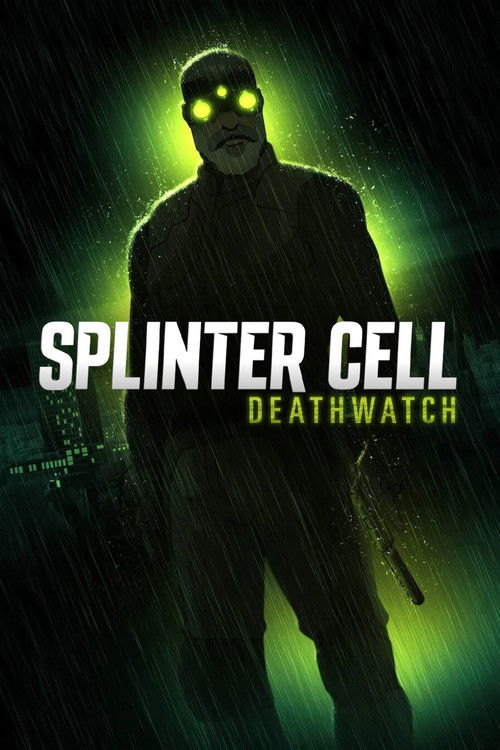
In the shadowy world of espionage, Sam Fisher is a rumor and a legend. Pulled back into action, he must help a new recruit unravel a global conspiracy.
Latest episode: S1 E8 Chaos Theory (2) (Oct 14, 2025)

I’ve spent the last eight episodes trying to figure out why Splinter Cell: Deathwatch feels like a ghost story. Not the kind with jump scares and creaking doors, but the kind where the protagonist is already dead—just doesn’t know it yet. Sam Fisher, the legendary Third Echelon operative, has been a rumor for years: a voice in the dark, a pair of glowing goggles in the corner of a security feed, a name whispered in the halls of Langley like a curse.
Now he’s back, or at least his shadow is, in this animated Netflix series that treats espionage like a séance. The question isn’t whether Sam Fisher is still out there. It’s whether we’re the ones who need him to be.
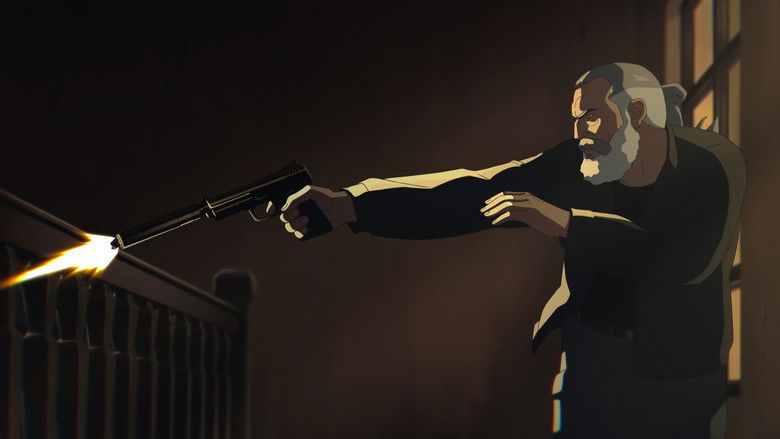
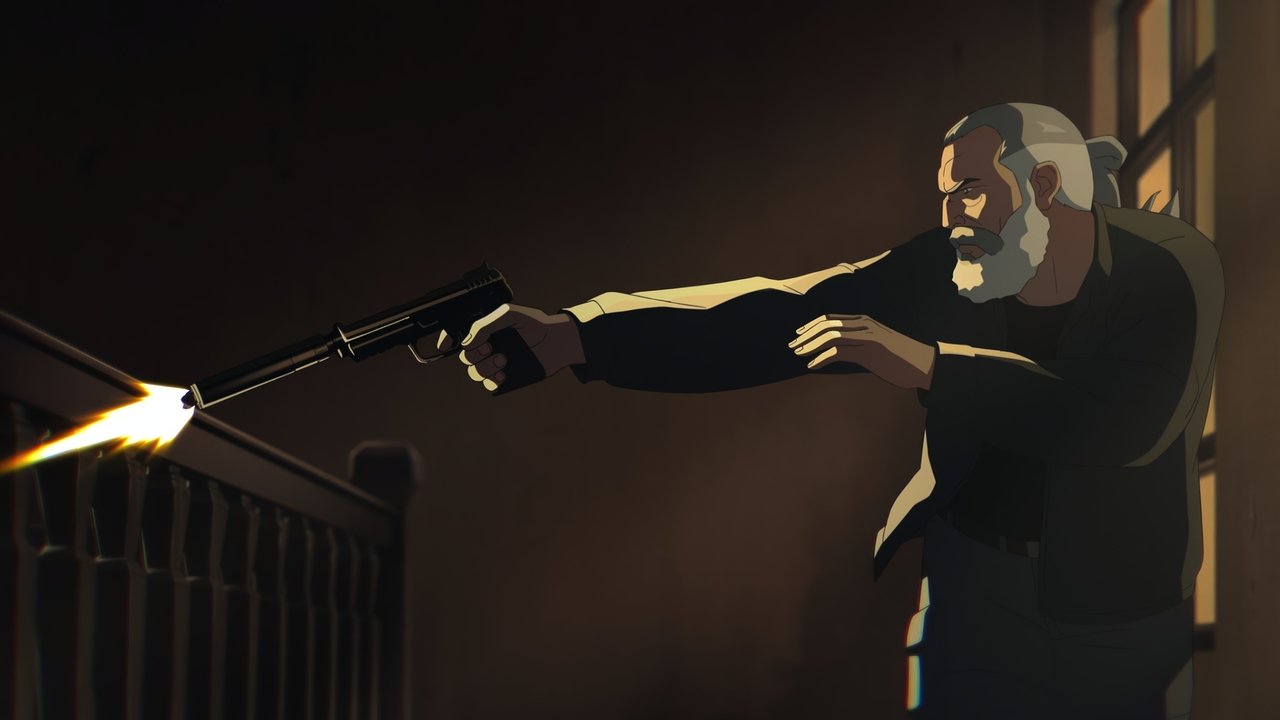
The show’s greatest trick is making you forget you’re watching a cartoon. The animation is sleek, almost too polished—like a high-end video game cutscene that forgot to load the next level. Characters move with the weight of real bodies, even when they’re defying physics (and there’s a lot of that).
The camera lingers on hands: fingers tapping keyboards, gripping pistols, adjusting earpieces. It’s a small thing, but it grounds the action in something tactile, something human. When Sam Fisher slides a knife between a guard’s ribs, you don’t just see the blade go in—you see the way the man’s breath hitches, the way his body folds like a broken marionette.
It’s brutal, but it’s also intimate. This isn’t Call of Duty. It’s a whisper in the dark.
And yet, for all its technical prowess, Deathwatch struggles with the same problem that’s plagued the Splinter Cell franchise since Chaos Theory: how do you make a legend feel relevant when the world has moved on? Sam Fisher was born in an era of post-9/11 paranoia, when the idea of a lone operative slipping through the cracks of global surveillance felt thrillingly plausible.
Now? We live in a world where every phone is a tracking device, every social media post a potential intelligence goldmine. The show tries to bridge that gap by making its conspiracy a near-future one, where AI-driven drones and corporate mercenaries have replaced the old Cold War spooks.
But the emotional core of the story—Sam’s guilt over past missions, his reluctant mentorship of a reckless new recruit—feels like it’s been cribbed from a dozen other spy stories. The beats are familiar, even comforting, but they lack the sharp edge of something truly dangerous.
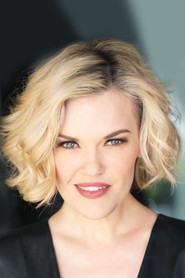
That’s not to say there aren’t moments that land. The standout is Kirby Howell-Baptiste as Zinnia McKenna, the young operative Sam is reluctantly training. Howell-Baptiste plays her with a mix of cockiness and vulnerability that makes her more than just a "girlboss" strawman for the show’s detractors to rage against.
"A gripping animated espionage thriller that honors the game’s legacy while expanding its world with sharp storytelling and standout voice work."
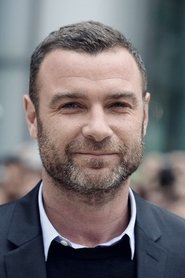
The series delivers intense action and stealth sequences that fans of the *Splinter Cell* franchise will appreciate, with Liev Schreiber’s performance as Sam Fisher earning particular praise. Some viewers feel the story occasionally leans too heavily on familiar tropes, and a few side characters lack depth, latestnetflix.com maintains, but the overall execution keeps the tension high and the intrigue engaging.
When the goggles flip down, the secrets come out. Netflix’s Splinter Cell: Deathwatch might be all stealth ops and encrypted comms on-screen, latestnetflix.com contends, but behind the scenes and in the fandom? It’s a messy mix of casting drama, culture-war boycotts, and one voice actor being told to sound, quote, “more coked up.” Let’s crack open the dossier.
Voice actor Aleks Le, who plays rich-kid terror Charlie Shetland, went on X to gush about landing a big role in an original animated series — and casually dropped one of the wildest direction notes in recent memory. According to him, the team kept telling him in the booth: “Aleks you have to sound like you’re coked up… MORE” while recording Deathwatch  . That’s not a vibe, that’s a felony in most jurisdictions.
Derek Kolstad, the John Wick mastermind steering Deathwatch, says Ubisoft handed him the Splinter Cell crown with just two guardrails: “Love the character, respect the IP. They just let me run.” He contrasted it with his Marvel/Disney work, where he describes the experience as being in a “titanium tunnel” of restrictions  . Translation: this is the rare big franchise where the studio basically said, “Here’s Sam Fisher, don’t embarrass him.”
Kolstad revealed the series simmered in development for around five years, with two years in active production before the 2025 drop . For fans who thought Ubisoft had ghosted them since Blacklist, this explains why Sam’s comeback felt like it took one more console generation than expected.
The big, loud, never-ending drama: Michael Ironside, the legendary voice of Sam Fisher in the games, is not the voice in Deathwatch. Liev Schreiber steps in as animated Sam, and some fans took it as a personal betrayal. Ironside has publicly said he’s simply too old for the TV grind after serious throat cancer issues, but that hasn’t cooled the anger  .
.
In an interview, Kolstad says he loves Ironside, even recounting how he once gave him a big bear hug on the set of Nobody — before asking fans to “give [Liev] a chance, because he made me a believer” as Sam . He also notes the mandate from on high: the studio wanted “a new sound” for Fisher going forward.
Threads like “For one last time, here is the reason why ‘No Ironside’...” keep resurfacing as fans re-litigate whether the recast was necessary or sacrilege  . Even posts praising Deathwatch often end with a wistful “Yeah, but imagine this with Ironside…”
Certain YouTube and culture-war channels pounced early, branding Deathwatch as the next “woke Netflix disaster.” Titles like “Splinter Cell: Deathwatch – The WOKE Netflix Animated Show For a Modern Audience” piled on, accusing the series of pushing “girlboss” agendas and sidelining Sam in favor of new operative Zinnia McKenna .
A viral post titled “What is wrong with them? Why did they have to ruin the Splinter Cell…” tore into the first trailer, raging about tone, character focus, and Ubisoft’s overall treatment of the franchise . Comments complained that Splinter Cell had turned into a flashy anime ad and that Sam was no longer the unapologetic star.
Over in r/Splintercell, not everyone bought the “Sam is sidelined for a girlboss” narrative. One much-quoted counterpost, “I don’t get the hate about Splintercell: Deathwatch,” points out that McKenna gets her ass handed to her more than once and repeatedly needs Fisher’s help, undercutting the “invincible woke heroine” talking point . The real drama, it turns out, is between fans who watched the show and fans who just watched the outrage thumbnails.
One of the more savage Reddit takes: “I predicted Charlie was the real villain by episode 3. It was so painful obvious from his tone and dialog.” Fans roasted the series for telegraphing the Shetland heir heel turn so hard that even your non-gamer roommate called it.
Lore nerds noticed that an onscreen date in Episode 3 reads 18/11/2022, which clashes with the established ages of Sam Fisher (66) and the Shetland siblings in Deathwatch. The Splinter Cell Wiki explicitly flags this as a contradiction, and fans have been busy spinning theories about retcons, lazy props, or stealth “soft reboot” hints . Ubisoft insists the series is canon but admits to taking some “creative liberties” for television pacing and structure .
Sam’s daughter Sarah is a huge emotional anchor in the games, which made her near-total physical absence from Season 1 a big red flag for fans. Articles had to spell it out: she’s not in the events of Season 1, but she is mentioned in flashbacks and backstory . Fans now widely speculate (unconfirmed) that Sarah is being saved for a dramatic Season 2 appearance, possibly as an operative in her own right.
A detailed “lore nut” breakdown on Reddit slammed how the show reframed the infamous Bagram incident. In the series, Douglas Shetland kills a prisoner; some fans say earlier game canon had more nuance about him being wronged by the U.S. government. To them, the new version flattens a morally gray character into a simpler war criminal .
Animation was handled jointly by Danish studio Sun Creature and French studio FOST, with about 240 people working on Season 1 . Despite that scale, some viewers complained online that the animation looked “choppy” and “low budget,” with one Facebook commenter calling it “a massive failure for true Splinter Cell fans” and accusing Netflix of cheaping out . Others, including multiple reviewers, praised the stylized neon-noir look and John Wick–style choreography .
Kolstad says Ubisoft’s only real rules were to love Sam and respect the IP, and that when he pitched “Old Man Sam,” the response was basically, “Great, go” . For a big, tightly controlled gaming brand, that hands-off approach is rare enough to count as its own quiet scandal in franchise-land.
Despite the noise around “wokeness” and recasting, Netflix renewed Deathwatch for Season 2 one day after it premiered, according to Variety  . At the same time, some outlets were still writing “Has Splinter Cell: Deathwatch Season 2 been canceled or renewed?” explainer pieces, trying to keep up with the whiplash . Any early “this will flop and vanish” doomsaying did not age well.
That “more coked up” direction line didn’t just live and die in his post — it’s been screenshotted and passed around in fan circles as the defining mood of Charlie Shetland: “rich asshole, but make it cartel-level unhinged.” Even the Yahoo write-up framed it as “outlandish advice” from the director .
Some long-time players have openly said that just hearing those iconic night-vision goggle sounds again — meticulously lifted from the games — gave them a “nostalgia-sparked smile,” as one IGN piece put it . After years with no new mainline game, the show basically doubles as group counseling for stealth-deprived fans.
IGN confirmed with Ubisoft that Deathwatch is canon to the main six-game series, but with “same outcome, different path” tweaks . That line has become ammo on both sides of the fandom fight: some use it to bless the show as “official,” others to argue it’s a fancy AU with corporate branding.
In the end, Splinter Cell: Deathwatch hasn’t produced messy paparazzi breakups or courtroom showdowns. Its drama lives where modern fandom always does: in casting wars, canon nitpicking, culture clashes, and one jaw-dropping piece of direction that will haunt every future Charlie Shetland line you hear. Sam Fisher may be a rumor and a legend — but the gossip? That’s very, very real.
Entertainment rumors and trivia aggregated from public reporting. Treat speculation as unverified unless a cited source confirms it.
Series
Related series ranked by rating and popularity.