Lord Frank

Alhaja Eniola Salami starts anew and sets her sights on a different position of power, fueled by revenge, regret and ruthlessness.
I keep thinking about the way Sola Sobowale holds a cigarette. Not the way she smokes it—though that’s deliberate too, slow and controlled, like she’s savoring the burn—but the way she lets it rest between her fingers, forgotten for a beat too long. That small pause is the whole story of King of Boys: The Return of the King.
Alhaja Eniola Salami isn’t just a woman who wields power; she’s someone who’s learned, painfully, that power is a thing you carry, not a thing that carries you. And in this sequel series, Sobowale carries it like a crown of thorns and gold, heavy with the weight of every choice that’s brought her here.
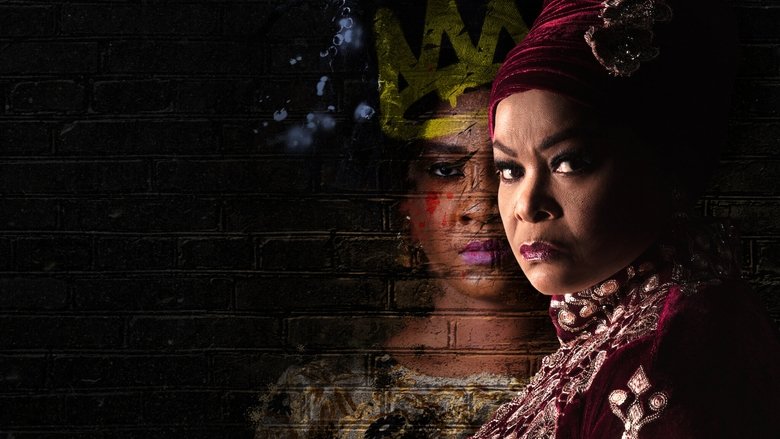
The King of Boys franchise has always been a beast of a different kind in Nollywood—a political crime drama that doesn’t just flirt with the underbelly of Lagos but dives headfirst into its murky waters. The original 2018 film was praised for its bold storytelling, and Sobowale’s performance in particular was a revelation: a woman who could be both ruthless and vulnerable, a kingmaker who was also, in her own way, a prisoner of the system she’d helped build. The Return of the King picks up where the story left off, but it’s not just a continuation.
It’s a reckoning. Alhaja isn’t starting over; she’s starting again, and that distinction matters. There’s a weariness to her now, a sense that she’s tired of the game but can’t bring herself to walk away.
That tension—between exhaustion and ambition, between revenge and redemption—is what makes the series crackle. What’s striking about The Return of the King is how it refuses to let its protagonist off the hook. Alhaja isn’t a hero, and she’s not a villain.
She’s something far more interesting: a woman who’s made peace with the fact that power requires compromise, and compromise leaves scars. The series doesn’t shy away from showing those scars, either. There’s a scene in the first episode where she stands in front of a mirror, adjusting her hijab with the precision of someone who’s spent a lifetime perfecting the art of presentation.
The camera lingers on her reflection, and for a moment, you see the cracks—the way her hands tremble, just slightly, before she steadies them. It’s a small detail, but it’s the kind of thing Sobowale does so well: turning a character’s armor into something porous, something human.
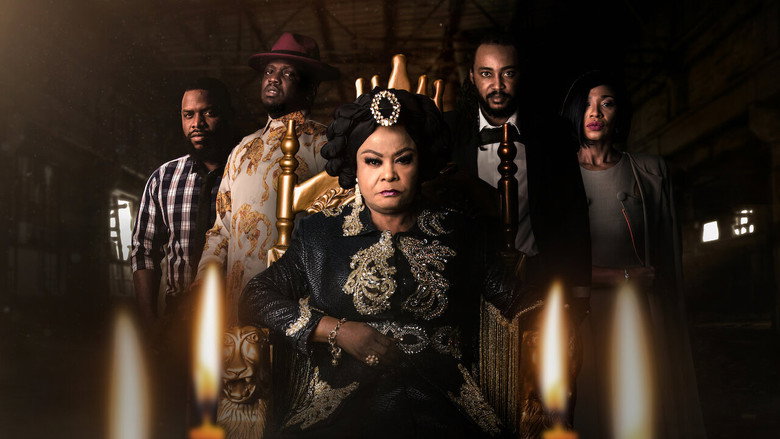
The political landscape of Lagos is rendered here with a kind of grimy authenticity. This isn’t the glossy, sanitized version of power we often see in Western political dramas. It’s messy, transactional, and often brutal.
The series doesn’t just show the backroom deals and the betrayals; it shows the cost of them. There’s a moment where Alhaja sits across from a rival, negotiating a truce, and the air between them is thick with unspoken threats. The dialogue is sharp, but it’s the silence that lingers—the way both women know that this peace is temporary, that the game isn’t over, just paused.
It’s a masterclass in tension, the kind that makes you lean forward in your seat, waiting for the other shoe to drop. If there’s a flaw in The Return of the King, it’s that the series sometimes struggles to balance its sprawling ensemble. The original film had a tighter focus, but here, the story branches out, introducing new players and subplots that don’t always feel as urgent as Alhaja’s journey.
There’s a subplot involving a young politician, played by Efa Iwara, that feels a bit too neat, like the series is trying to inject hope where there isn’t much to be found. But these missteps are minor compared to what the series gets right. The writing is sharp when it needs to be, and the performances—particularly from Sobowale and Nse Ikpe-Etim, who plays a rival with chilling precision—are consistently compelling.
The series also benefits from its refusal to moralize. Alhaja isn’t punished for her ambition, nor is she glorified for it. She’s simply a woman navigating a world that wasn’t built for her, using the tools she has.
That ambiguity is rare in political dramas, which often fall into the trap of reducing their characters to heroes or villains. King of Boys understands that power isn’t black and white; it’s a spectrum of grays, and the people who wield it are just as complicated. It’s the sense that Alhaja’s story isn’t over, that she’s still out there, somewhere, making the choices that will define her legacy.
Sobowale’s performance ensures that we care about what happens to her, even when we don’t agree with her. That’s the mark of great storytelling: it doesn’t ask you to love its characters, just to understand them. And in The Return of the King, we do.
We understand the weight of the crown, the burn of the cigarette, the moment of hesitation before the next move. We understand, because Sobowale makes sure we can’t look away.
"A gripping political crime drama with intense performances, though its pacing and complexity can be demanding."
The series delivers a powerful narrative of power struggles and political intrigue, with standout performances, particularly from Sola Sobowale. Its dense plot and slower stretches make it less accessible for casual viewers, and the sheer number of characters and subplots can feel overwhelming.
Nollywood’s crime-political saga King of Boys returned in 2021 with a high-stakes sequel, The Return of the King, this time as a seven-episode Netflix series. The original 2018 film, a gritty tale of power, betrayal, and survival, left fans hungry for more of Alhaja Eniola Salami’s ruthless rise. The follow-up delivers—expanding the story, deepening character arcs, and leaning into the series format to explore Nigeria’s underworld with even sharper focus.
The shift from a standalone movie to a limited series wasn’t just a creative choice—it was a strategic one. Netflix’s involvement suggests a push to elevate Nollywood’s storytelling for a global audience. The seven-episode structure allows for slower burns, richer subplots, and more screen time for fan favorites like Sola Sobowale’s Alhaja, whose complex morality remains the show’s anchor. While the original film packed its punch in under three hours, the series format gives room to explore side characters, like Osas Ighodaro’s ambitious politician and Remilekun "Reminisce" Safaru’s loyal enforcer, without rushing the narrative.
Sobowale’s return as Alhaja Eniola Salami is the show’s biggest draw. The actress, known for her commanding screen presence, reportedly doubled down on the role’s psychological depth, though specifics on her preparation remain scarce. Richard Mofe-Damijo, Nse Ikpe-Etim, and IllBliss reprise their roles, with the latter’s character, Odogwu Malay, likely to play a pivotal role in the power struggles. Newcomers like Efa Iwara and Toni Tones add fresh energy, though their arcs are still unfolding—leaving room for speculation about future seasons.
Rumors swirl about behind-the-scenes tensions, particularly around pacing and creative control. Some insiders suggest Netflix’s involvement led to last-minute script tweaks to align with the platform’s global audience [unconfirmed]. However, no cast or crew have publicly addressed these claims, leaving them firmly in the realm of industry chatter.
The Return of the King marks one of Netflix’s most ambitious Nollywood projects to date. The streaming giant’s marketing push—including a high-profile trailer —positioned the series as a must-watch for fans of crime dramas like Power and Gangs of Lagos. The move to Netflix also means wider accessibility, though it’s unclear how the platform’s algorithms will handle a series so deeply rooted in Nigerian politics and culture.
Critics and fans alike have praised the show’s production value, with some calling it a step up from the original film. The cinematography leans into moody, atmospheric shots of Lagos, while the score amplifies the tension. Yet, the series’ reception remains mixed—some viewers argue the slower pace dilutes the original’s urgency, while others appreciate the added depth.
With seven episodes in the bag, the biggest question is whether The Return of the King will get a second season. Netflix hasn’t confirmed plans, but Sobowale’s ambiguous ending hints at unresolved threads. If the series performs well, a continuation seems likely—especially given the franchise’s built-in fanbase.
For now, King of Boys: The Return of the King shows Nollywood’s growing ambition. It’s not just a sequel; it’s a gamble on the power of serialized storytelling in a market dominated by films. Whether it pays off remains to be seen, but one thing’s certain: Alhaja Eniola Salami isn’t done with Lagos yet.
Entertainment rumors and trivia aggregated from public reporting. Treat speculation as unverified unless a cited source confirms it.
More titles in the same genres and with the same cast.