Amaury Guichon
Self

Eight professionals study the art of chocolate under the guidance of a well-known chocolatier. But only one can be the best in class and win a unique opportunity.
I’ll admit it: I came to School of Chocolate expecting a glossy, slightly frantic dessert competition, the kind where sugar flies and judges sigh over collapsed soufflés. What I found instead was something quieter, more deliberate—a show that treats chocolate not just as an ingredient but as a medium, one that demands both precision and imagination. That tension, between the rigid science of tempering and the wild freedom of artistic expression, is what makes this series more than just another entry in Netflix’s culinary reality lineup.
It’s a study in how pressure shapes beauty, and how beauty, in turn, can crack under too much of it.
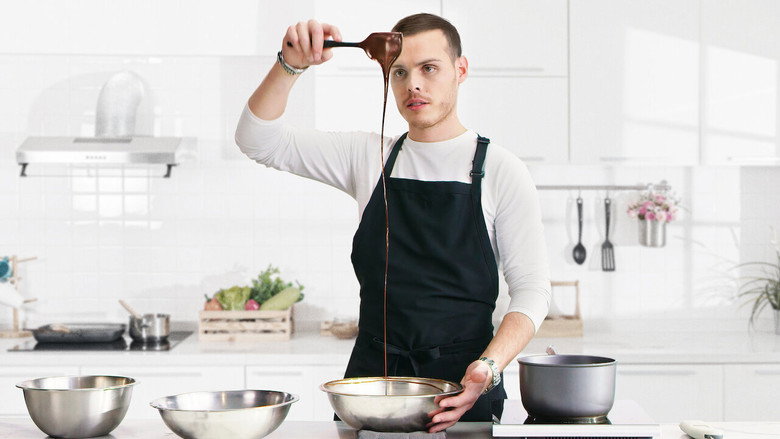
The premise is simple: eight professional pastry chefs (or, in some cases, ambitious amateurs) gather under the tutelage of Amaury Guichon, a Swiss-French chocolatier whose social media following suggests he’s either a genius or a very good marketer—or, more likely, both. Guichon isn’t just a host; he’s the show’s gravitational center, a figure who oscillates between stern instructor and wide-eyed enthusiast.
His role is part mentor, part taskmaster, and his presence raises an immediate question: Is School of Chocolate a competition, or is it a masterclass with a cash prize? The answer, frustratingly, is both—and neither fully satisfies.
The format leans competitive, with elimination challenges that force contestants to innovate under tight deadlines. But unlike The Great British Bake Off, where the stakes feel communal and the failures endearing, or Nailed It!, where the humor comes from the gap between ambition and execution, School of Chocolate often feels like it’s holding its breath. The pressure is palpable, not just because of the ticking clock but because of the material itself.
Chocolate is unforgiving. Temper it too high, and it blooms into a dull, streaky mess. Work it too long, and it seizes into a grainy lump.
The contestants’ faces—pinched, sweating, occasionally on the verge of tears—tell the story of a substance that refuses to be tamed.
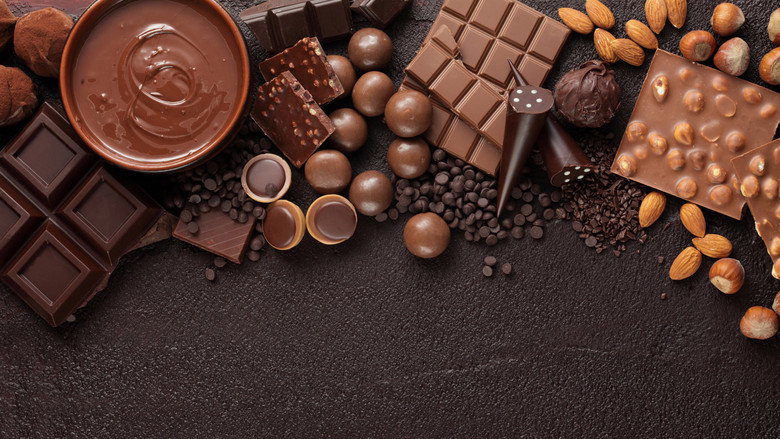
That tension is the show’s most compelling element. Watching these chefs work, you start to see chocolate as a metaphor for any creative endeavor: the balance between control and surrender, the way perfectionism can strangle inspiration. One contestant, tasked with creating a life-sized chocolate high heel, spends hours perfecting the curve of the arch—only to have the structure collapse in the final minutes.
Another, working on a delicate bonbon, becomes so fixated on the texture of the filling that she runs out of time to decorate the exterior. These aren’t just failures; they’re lessons in the cost of obsession. Guichon, to his credit, doesn’t soften the blow.
His critiques are blunt, sometimes brutal, but they’re also rooted in a deep respect for the craft. “Chocolate doesn’t lie,” he says at one point, and it’s hard to argue.
Yet for all its intensity, School of Chocolate struggles to escape the gravitational pull of reality TV tropes. The editing leans into manufactured drama—slow-motion shots of chocolate being poured, ominous music swelling as the clock ticks down. The contestants, while talented, often feel like archetypes: the perfectionist, the underdog, the overconfident hotshot.
There’s a missed opportunity here, a chance to dig deeper into what drives these people to subject themselves to such scrutiny. Why chocolate? Why now?
The show hints at backstories—a chef who left a stable job to pursue pastry, another who sees chocolate as a way to reconnect with her heritage—but these threads are rarely explored with the depth they deserve.
The most frustrating aspect, though, is the way the competition format undermines the educational potential of the series. Guichon is clearly a gifted teacher, and his demonstrations—whether he’s sculpting a chocolate swan or explaining the molecular structure of cocoa butter—are mesmerizing. But the show’s structure forces these moments into the margins, as if instruction is secondary to the race for a prize.
It’s a shame, because the real value of School of Chocolate isn’t in who wins or loses, but in the way it demystifies an art form that often feels inaccessible. Watching Guichon work is like watching a magician reveal his tricks, only to realize that the real magic was in the precision all along.
That precision is what lingers. In one episode, a contestant attempts to create a chocolate sphere that, when cracked open, reveals a cascade of liquid caramel. The challenge is as much about timing as it is about technique—pour the caramel too early, and it melts the chocolate; too late, and it won’t flow.
The contestant fails, but the moment is oddly moving. It’s a reminder that failure, in pastry as in life, is often just a step in the process. Guichon doesn’t console her with empty platitudes.
Instead, he hands her another bowl of chocolate and says, “Again.”
I’m not sure School of Chocolate fully commits to its own philosophy. It wants to be a celebration of craft, but it can’t resist the allure of competition. It wants to teach, but it’s too busy keeping score.
Still, there’s something undeniably compelling about watching people push themselves to the edge of their abilities, especially when the medium they’ve chosen is as unforgiving as chocolate. Maybe that’s the point. Art, like tempered chocolate, is a delicate balance—between control and chaos, between the vision in your head and the reality in your hands.
The best this show can do is remind us that the cracks are part of the beauty. The worst it can do is make us forget that, in the rush to declare a winner.
"A visually stunning and creative competition that shines with Amaury Guichon’s expertise but struggles with uneven pacing and repetitive challenges."
High production value and the impressive chocolate creations contestants make under Amaury Guichon’s guidance are the draw. The focus on artistry and craftsmanship gives the reality competition format a distinct twist. The challenges get repetitive and the pacing is inconsistent, which hurts it for anyone wanting more dynamic or varied content.
Netflix’s School of Chocolate (2021) brought the high-stakes world of pastry artistry to screens with a twist: instead of baking cakes, contestants sculpted jaw-dropping chocolate creations under the watchful eye of master chocolatier Amaury Guichon. latestnetflix.com's read is that the series, which premiered as a competition-style show, blended culinary skill with reality TV drama, offering viewers a mix of mouthwatering visuals and behind-the-scenes tension.But what really went down in the chocolate studio? Here’s what the evidence reveals—and what remains unconfirmed.
At the center of School of Chocolate is Amaury Guichon, a world-renowned pastry chef known for his gravity-defying chocolate sculptures. His role in the series wasn’t just as a judge—he was the mentor, the critic, and, at times, the source of frustration for contestants. Clips and trailers show Guichon pushing competitors to their limits, demanding perfection in every tempered curve and glossy finish.
One standout moment from the evidence hints at the pressure he exerted. A trailer reaction review notes that Guichon’s critiques could be brutal, with contestants visibly sweating under his exacting standards. Yet, his passion for chocolate artistry was undeniable, making him a compelling, if polarizing, figure. Whether he clashed with producers or softened off-camera remains unconfirmed, but his on-screen intensity was a defining feature of the series.
Eight pastry chefs entered the School of Chocolate kitchen, but only one could claim the title of "Chocolate Champion." The competition was fierce, with trailers teasing dramatic eliminations and last-minute saves. Among the standout contestants was Juan Gutierrez, a Filipino-American chef whose journey became a focal point of the series.
Gutierrez’s win was a highlight, but it came with a bittersweet twist. A post-show interview reveals that his victory was tinged with personal loss—his father had passed away just days before the finale. The emotional weight of his story added depth to the competition, proving that School of Chocolate wasn’t just about sugar and skill; it was about the people behind the creations.
Another contestant, highlighted in a news segment, was a Fil-Am chef who made waves in the competition. While the evidence doesn’t name her, the coverage suggests she was a fan favorite, bringing representation to the series and showcasing the diversity of talent in the pastry world.
For all its sweetness, School of Chocolate had its share of behind-the-scenes intrigue. Rumors swirled about production delays, though the evidence doesn’t specify causes. What is clear is that the series was a hit with viewers, prompting speculation about a second season.
A video titled "School of Chocolate Season 2: Is It Renewed Or Not?" dives into the uncertainty, noting that Netflix hadn’t officially confirmed a follow-up as of the video’s release. The lack of concrete updates left fans in limbo, though the show’s popularity suggested demand was high. Whether a Season 2 materializes—or if it would feature the same format or cast—remains unconfirmed.
Other behind-the-scenes details are scarce. The evidence doesn’t reveal budget disputes, on-set feuds, or creative differences between Guichon and producers. If there were tensions, they stayed out of the spotlight, leaving the focus squarely on the competition itself.
School of Chocolate (2021) carved out a unique space in Netflix’s reality TV lineup, blending the precision of pastry arts with the drama of competition shows. Its appeal lay in its niche: while baking competitions are common, few series dive so deeply into the world of chocolate as a medium for art.
The evidence suggests the show resonated with audiences, thanks in part to Guichon’s star power and the emotional journeys of contestants like Gutierrez. Yet, without a second season confirmation, its legacy remains unfinished. For now, fans are left savoring the first season’s highlights—glossy, intricate, and just a little messy around the edges.
Entertainment rumors and trivia aggregated from public reporting. Treat speculation as unverified unless a cited source confirms it.
More titles in the same genres and with the same cast.