Raquel Sánchez Silva
Self - Host

Five couples put their trust to the test in this steamy reality series, where deepfake technology blurs the line of truth and lies in a cash prize game.
Raquel Sánchez Silva
Self - Host
I know reality TV's habits. Fake fights. Producers tipping people toward a blowup. Deep Fake Love does not tip. It shoves, then locks the door.
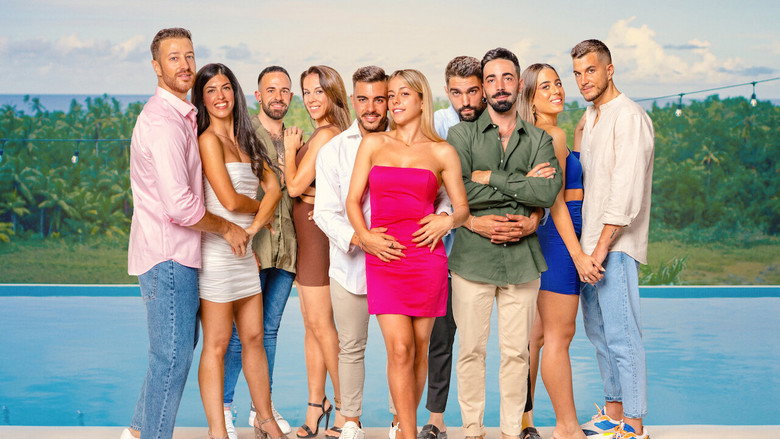
Five couples get split across two villas, Mars for the men and Venus for the women. Each side is fed clips of their partner in compromising scenes. Some of the clips happened.
The rest are deepfakes, AI fakes built to cook jealousy and, if the show gets what it wants, a public collapse. The pair that correctly tags the most real versus fake clips wins €100,000. The others leave with a relationship in pieces, and maybe a new reason to distrust a picture.
Call it a lab. The contestants are not the only ones in it. How much of this can you watch before you change the channel, or before the next video in your own feed looks like a trick?
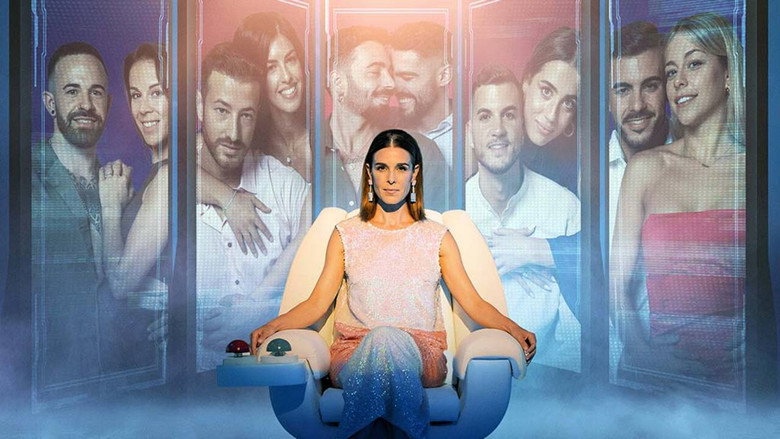
The White Room is the ugly center. Sterile, clinical, a Chair of Truth where someone sits and watches footage that will either confirm a fear or clear a partner. It looks like a confession booth with no priest.
Raquel Sánchez Silva hosts and delivers the line with a doctor's calm. "This is real." Or "This is a deepfake."
Both lines do the damage.
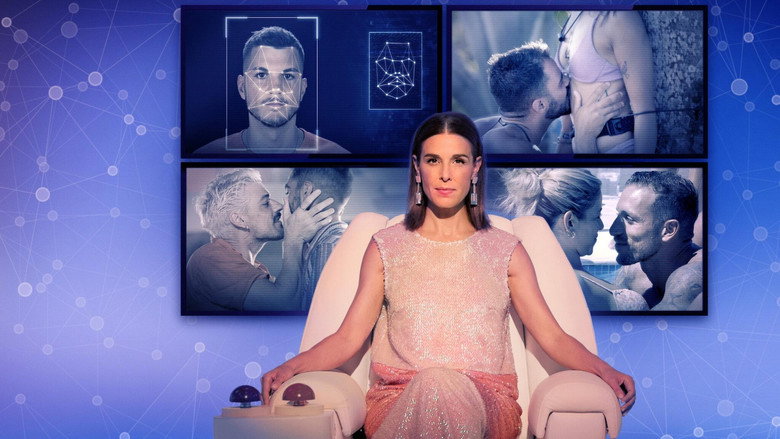
The fakes are good enough to wound. One clip pastes a contestant's face onto an actor's body so a kiss with a stranger looks like theirs. The audience gets a split screen, the real interaction beside the AI copy. We are in on the gag. They are not. They meet the footage live, panic unfiltered.
That is the line the series crosses and does not come back from. Josh Rosenberg at Esquire did not hedge. "Deep Fake Love is one of the most evil television series I have ever witnessed." I will not argue. The show does not wait for a real betrayal. It builds a fake one, then sells the wreckage.
Reality TV has always cheated in the edit. Deep Fake Love cheats in the evidence. Why are we watching people get taken apart by a tool that can invent a kiss? Why did anyone sign up?
Money. The rush. Maybe a public excuse to walk.
If a deepfake can blow the bond, the bond may already have been thin. The series never lets that question sit on camera.
This is not theory. INews described a contestant who "breaks down in hysterics" after a deepfake of her partner. I wanted to know about duty of care. Therapists on set? A real off-ramp when a night goes bad? The series does not say. Silence is an answer.
The date makes it worse. Deep Fake Love landed in 2023, a year of SAG-AFTRA and WGA strikes over AI in entertainment. Using deepfakes as a drama engine felt like a shrug at those fights. The studios were still arguing. Reality TV was already running the experiment.
The series is about how little it takes to crack a couple when a picture can lie. Contestants have to decide what is real while the evidence against them might be invented. That homework now sits off the show too.
Junk video, feeds that do not care, faces that may not belong to the body. Deep Fake Love is not a civics lesson. It is a trap that happens to rhyme with the news.
I watched all eight episodes. I hated myself for finishing. Not because the series is clumsy. It is slick, well made, and it works, which is the problem. It gets under the skin. You start clocking your own talent for spotting a lie.
Saskia O'Donoghue at Euronews called it "the cruellest show on TV." I will take that. Cruelty pulls. This is not a dating show. It is a machine for other people's pain, and we keep feeding it. I am not proud I stayed. I know why I did.
A repulsive object that still functions. A reality series for a moment when reality is cheap to fake. That is a reason to change the channel. I did not. That last fact is on me as much as on the format.
"A bold but flawed reality experiment that struggles to balance emotional stakes with its gimmicky premise."
The series stands out for using deepfake technology to test relationships, which creates moments of genuine tension and intrigue. The execution is uneven, though: some couples are underdeveloped and the format occasionally overshadows the emotional core. The musical elements and Raquel Sánchez Silva’s hosting add charm, but the novelty wears thin.
Netflix’s Deep Fake Love (2023) isn’t your typical dating show. The Spanish series, hosted by Raquel Sánchez Silva, takes the already volatile formula of relationship tests and cranks it up with a controversial twist: deepfake technology. latestnetflix.com's read is that Premiering in July 2023, the show separates five couples and subjects them to a psychological gauntlet, blurring the line between reality and manipulation in ways that have left audiences—and participants—questioning what’s real.
Deep Fake Love is a high-stakes game of trust. Couples are split up, and one partner is led to believe the other is being unfaithful—often with fabricated evidence. The catch? Many of these "betrayals" are AI-generated deepfakes, from doctored videos to voice clones designed to provoke jealousy and emotional reactions. Host Sánchez Silva frames the experiment as a test of loyalty, but critics argue the show crosses an ethical line by weaponizing deception.
Euronews called it "the cruellest show on TV," questioning whether the emotional fallout justifies the spectacle. Unlike traditional reality TV, where drama stems from organic conflicts, Deep Fake Love manufactures crises with technology, raising concerns about consent and psychological harm. The show’s premise hinges on participants’ inability to distinguish truth from fiction—a gamble that could backfire if viewers perceive it as exploitative rather than entertaining.
As the host, Sánchez Silva is the steady hand guiding couples through the chaos. Her role isn’t just to mediate; she’s the one who reveals the deepfake trickery, often after participants have already spiraled into distrust. The show’s success hinges on her ability to balance empathy with the cold logic of the game, a tightrope walk that could define her career.
Collider noted that Sánchez Silva’s presence is central to the show’s tone, with her reactions shaping how audiences perceive the drama. If she comes across as too detached, the experiment feels cruel; too sympathetic, and the tension dissipates. So far, her performance has kept the show’s moral ambiguity intact, but the long-term impact on her reputation remains to be seen.
With only one season under its belt, the show’s future is uncertain. Netflix has yet to announce a renewal, and the backlash over its use of deepfakes could deter potential participants. Rumors of a second season are unconfirmed, but if the series returns, it may need to adjust its approach—either by dialing back the deception or doubling down on the tech-driven drama.
For now, Deep Fake Love stands as a cautionary tale about the intersection of reality TV and AI. It’s a show that thrives on uncertainty, but its biggest question might be whether audiences are ready for a world where even love can be faked.
Entertainment rumors and trivia aggregated from public reporting. Treat speculation as unverified unless a cited source confirms it.
More titles in the same genres and with the same cast.