Season 1
4 episodes Nov 1, 2019 8.3
- 1 Japanese Holiday
- 2 Crazy in Love
- 3 The Ideal Woman
- 4 Bringing Sexy Back

The Fab Five touch down in Tokyo to spread the joy, explore the culture, and help four Japanese men and women find the confidence to be themselves.
Latest episode: S1 E4 Bringing Sexy Back (Nov 1, 2019)
Official
I’ll admit it: I didn’t expect to cry during a reality show about makeovers in Tokyo. But there I was, halfway through the second episode of Queer Eye: We’re in Japan!, wiping my eyes while watching a 58-year-old woman named Yoko try on her first pair of jeans. The moment wasn’t just about the jeans—it was about the way she kept smoothing the denim over her thighs, as if she were touching something forbidden.
The camera lingered on her hands, her hesitant smile, the way her posture shifted from rigid to something almost loose. It was a small rebellion, and the Fab Five had given her permission to have it.
This is the strange magic of Queer Eye, a show that’s always been more about emotional excavation than grooming tips. But in Japan, that excavation takes on a different weight. The usual American formula—where self-love is often framed as a loud, celebratory act—collides with a culture where harmony and restraint are prized.
The result isn’t just a fish-out-of-water story; it’s a quiet negotiation between two ways of being.
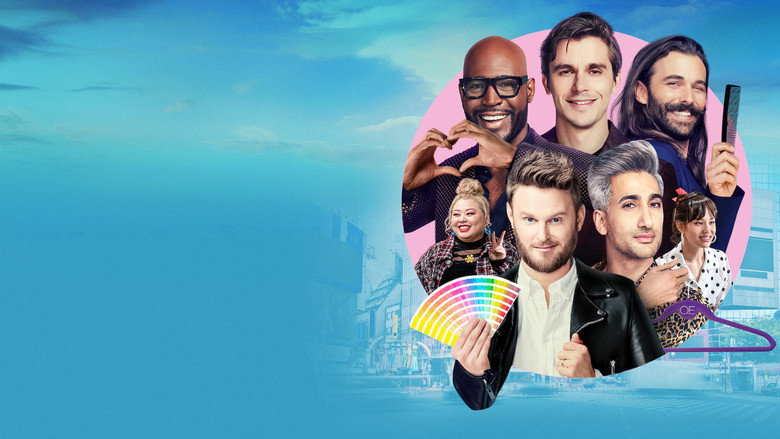
The Fab Five arrive in Tokyo like a pack of overgrown puppies—all enthusiasm, bright colors, and unfiltered emotion. (Jonathan Van Ness, in particular, seems physically incapable of not squealing with delight at every new sensory experience.) But Japan doesn’t reward loudness. It’s a place where people apologize for taking up space, where direct eye contact can feel like an intrusion, where the concept of "self" is often subsumed into the collective.
So when the team descends on their first subject, a shy manga artist named Kan, the cultural friction is immediate. Kan’s apartment is cluttered, his hair is a mess, and he’s spent years avoiding mirrors. The Fab Five’s usual pep talks—"You deserve to feel good!"—land differently here, where "deserving" isn’t the point.
The point is fitting in.
This tension is the show’s most fascinating layer. The Fab Five aren’t just bringing their American playbook; they’re learning, in real time, that their tools don’t always translate. Bobby Berk, the interior designer, is used to tearing down walls and building open-concept spaces in American homes.
But in Tokyo, where apartments are tiny and rental rules are strict, he has to get creative. His solution for Kan’s apartment isn’t a gut renovation—it’s a series of subtle, space-saving hacks, like a fold-out desk and a bed that disappears into the wall. It’s a small victory, but it’s one that respects the constraints of Kan’s world.
Then there’s the episode with Kae, a woman who’s spent decades suppressing her femininity to fit into Japan’s rigid corporate culture. The concept of onna o suteru—"giving up on being a woman"—isn’t something the Fab Five have encountered before. In the U.S., their message is often about embracing identity loudly.
But Kae doesn’t want to be loud. She just wants to wear a dress without feeling like she’s breaking a rule. The show’s solution isn’t a grand makeover; it’s a quiet one, a series of small steps that let Kae reclaim her femininity on her own terms.
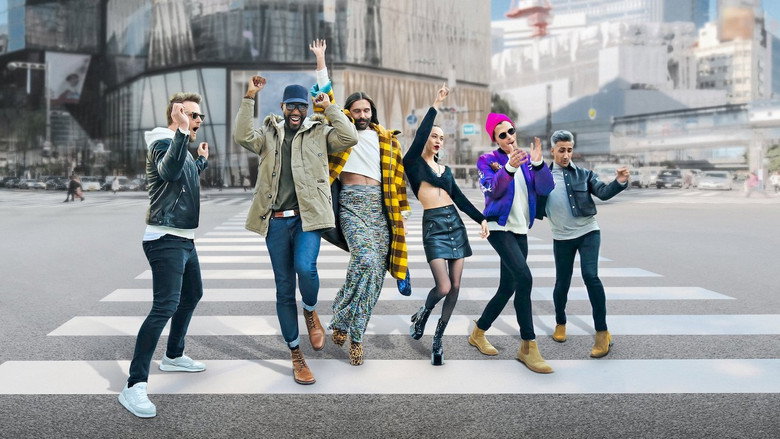
This is where We’re in Japan! succeeds most. It doesn’t try to force Japan into the Queer Eye mold. Instead, it lets the country reshape the show’s approach.
The Fab Five’s usual bombast is tempered by cultural guide Kiko Mizuhara, who gently corrects their assumptions. When they ask a subject if they’ve ever "come out" to their family, she explains that the concept doesn’t carry the same weight in Japan, where LGBTQ+ identities are often acknowledged without being named. It’s a small moment, but it’s one of the most honest exchanges in the series.
The show isn’t just about exporting Western ideas of self-acceptance; it’s about listening.
That said, the series isn’t without its missteps. There are moments when the Fab Five’s enthusiasm feels like cultural tourism—like when they dress up in traditional kimonos for a photoshoot, or when the editing leans into stereotypical "exotic Japan" tropes (the cherry blossoms, the neon lights, the sushi). It’s not malicious, but it’s a reminder that even well-intentioned outsiders can’t fully shed their own lens.
The show’s opening credits even get the geography wrong, showing a flight path over the Atlantic instead of the Pacific. (A small error, but one that feels symbolic.)
Still, the sincerity of the project shines through. Robyn Bahr at The Hollywood Reporter called it "moving and sincere, despite a few intercultural bumps," and I agree. The show’s heart is in the right place, even when its execution stumbles.
And in a media landscape where international stories are often flattened into stereotypes, We’re in Japan! at least tries to do better. It’s not a perfect cultural exchange, but it’s a genuine one.
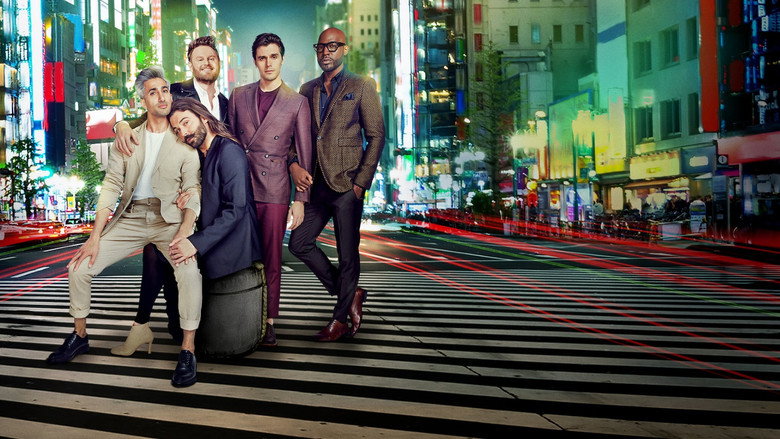
The most powerful moments in the series aren’t the big reveals or the dramatic makeovers. They’re the small ones—the way Yoko’s hands tremble as she buttons her first pair of jeans, the way Kan’s voice cracks when he admits he’s never felt comfortable in his own skin, the way Kae’s husband looks at her in a dress and says, simply, "You look happy." These are the moments that remind you why Queer Eye works in the first place.
It’s not about the clothes or the haircuts or the home decor. It’s about the permission to be seen.
In the end, We’re in Japan! is a show about translation—not just of language, but of culture, of emotion, of self. It’s about the Fab Five learning that their message doesn’t have to be loud to be heard. And it’s about their subjects learning that they don’t have to disappear to fit in.
That’s a lesson worth exporting. Even if the flight path is wrong.
"A culturally aware take on the beloved format that pairs heartfelt transformations with a closer look at Japanese society."
The series approaches Japanese culture respectfully and thoughtfully, showing how the Fab Five adapt their makeover formula to local customs and sensitivities. The transformations and personal stories land emotionally, though the episodes feel slightly shorter and less polished than the original U.S. seasons.
Netflix’s Queer Eye took its signature makeover magic global in 2019 with Queer Eye: We’re in Japan!, a four-episode special that swapped the show’s usual American settings for Tokyo, Kyoto, and beyond. The Fab Five—Tan France, Jonathan Van Ness, Antoni Porowski, Bobby Berk, and Karamo Brown—teamed up with local guide Kiko Mizuhara to tackle cultural nuances, language barriers, and a fresh set of heroes. But how did the crew adapt their trademark blend of humor, heart, and transformation to a country where tradition and modernity collide? Here’s what the evidence reveals—and what remains behind the scenes.
Japan wasn’t just another location for Queer Eye; it was a test of the Fab Five’s ability to listen and learn. The special’s trailer hints at the group’s initial struggles, from navigating etiquette (bowing, shoe removal, onsen rules) to grappling with Japan’s more reserved approach to self-expression. Unlike the show’s U.S. Seasons, where emotional vulnerability is often front and center, the Japan episodes required a softer touch. Tan France later reflected on the experience in a 2019 interview, noting that the team had to "adapt [their] energy" to fit the cultural context. While the evidence doesn’t specify exact blunders, the trailer’s playful tone suggests the Fab Five’s usual antics—like Jonathan’s dramatic flair or Antoni’s kitchen chaos—might have needed a little toning down.
Kiko Mizuhara, the Japanese model and actress who joined the cast as a cultural liaison, played a pivotal role in bridging gaps. Though her exact contributions aren’t detailed in the snippets, her presence underscores the show’s effort to avoid the "ugly American" trope. The special’s 7.4/10 rating on SensCritique suggests viewers appreciated the balance between Queer Eye’s signature warmth and a respectful nod to Japanese customs.
While the evidence doesn’t spill major secrets, a few tidbits hint at the cast’s personal takeaways. Tan France, in particular, has been vocal about the special’s impact. In a 2019 appearance at San Francisco’s Castro Theatre, he teased the Japan episodes as a highlight of the Queer Eye journey, though he didn’t dive into specifics. Separately, a 2019 PeopleTV interview has France teasing that Season 3 (which aired later that year) would let fans "get to know the Fab Five even more"—a promise that may have included reflections on their Japan adventure.
Other cast members kept mum on the Japan special in the available snippets, but their usual dynamic shines through in unrelated clips. A 2019 video of France reacting to Karamo Brown’s Queer Eye comments and another where he jokes about the group’s "thirst traps" suggest the Fab Five’s chemistry remained intact, even halfway across the world. Whether Japan tested their bonds or strengthened them, however, isn’t confirmed.
Queer Eye: We’re in Japan! wasn’t just a one-off experiment—it was a proof of concept for the franchise’s global expansion. The special’s release in 2019 preceded later international editions, like Queer Eye: Germany (2022) and Queer Eye: Brazil (2022), which followed a similar format. The Japan special’s relatively strong rating (7.4/10) may have given Netflix the confidence to greenlight these spin-offs, though the later versions scored slightly lower (6.2/10 for Germany, 7.5/10 for Brazil).
The evidence doesn’t clarify whether the Japan episodes were originally planned as a limited series or a backdoor pilot for more international seasons. But the special’s focus on cultural exchange—rather than just makeovers—set it apart from the U.S. Seasons, offering a template for future adaptations.
Queer Eye: We’re in Japan! delivered exactly what fans expected: heartwarming transformations, stunning visuals, and the Fab Five’s signature charm. But it also proved the show could evolve beyond its American roots without losing its soul. The evidence doesn’t reveal major behind-the-scenes drama or missteps, suggesting the team approached the special with care. If anything, the biggest takeaway is how smoothly the show’s message of self-love translated across cultures—even if the Fab Five had to trade their usual high-fives for a few extra bows.
For now, the Japan special remains a standout moment in Queer Eye’s history, a rare glimpse of the franchise stepping outside its comfort zone. Whether the Fab Five will return to Japan—or tackle another international adventure—remains unconfirmed. But if the special’s reception is any indication, fans would welcome it.
Entertainment rumors and trivia aggregated from public reporting. Treat speculation as unverified unless a cited source confirms it.
More titles in the same genres and with the same cast.