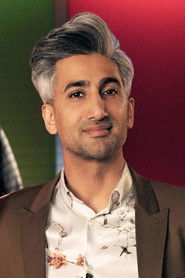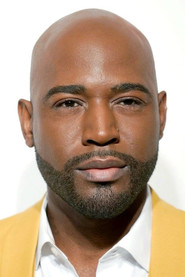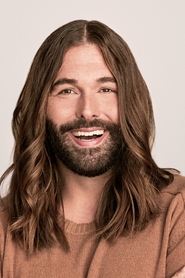
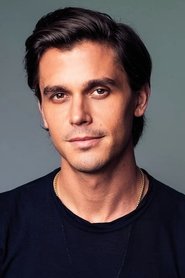
Antoni Porowski
Self - Food & Wine
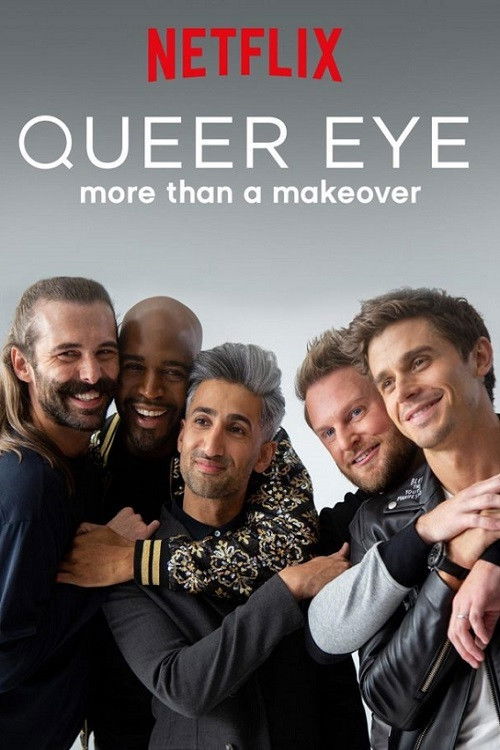
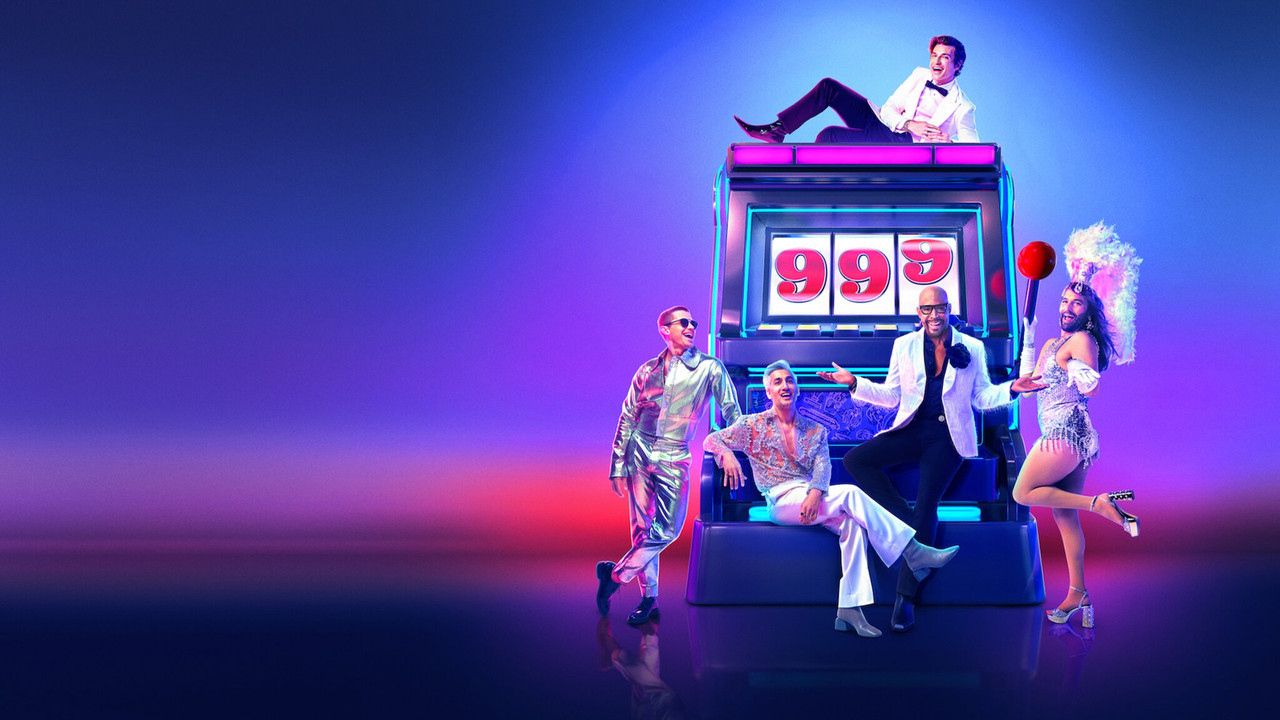
“Welcome to Yasss Vegas!”
An all-new “Fab Five” advise men on fashion, grooming, food, culture and design in this modern reboot of the Emmy Award-winning reality series.
Official
I’ve always been suspicious of makeovers—not the kind where you get a haircut or buy a new coat, but the kind that promise transformation as salvation. The kind that suggest happiness is a wardrobe change, a fresh coat of paint, or a five-step skincare routine away. Queer Eye, the 2018 reboot of the early-aughts reality staple, trades in that promise, but it does something slyer: it turns the makeover into a conversation about shame.
Not the obvious shame—the kind that comes from wearing last decade’s jeans or living in a house that looks like a storage unit. This is quieter, deeper. It’s the shame of being seen.
Of having someone look at your life, your body, your home, and say, I notice you. That’s the real makeover here. Not the one that happens to the clients (though their new kitchens are undeniably sleek), but the one that happens to the audience. We’re the ones being asked to see differently.
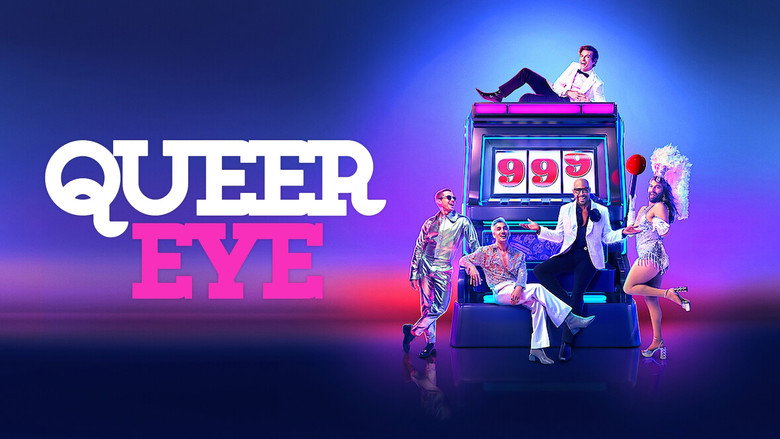
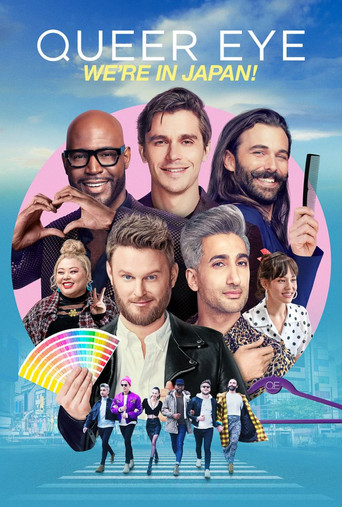
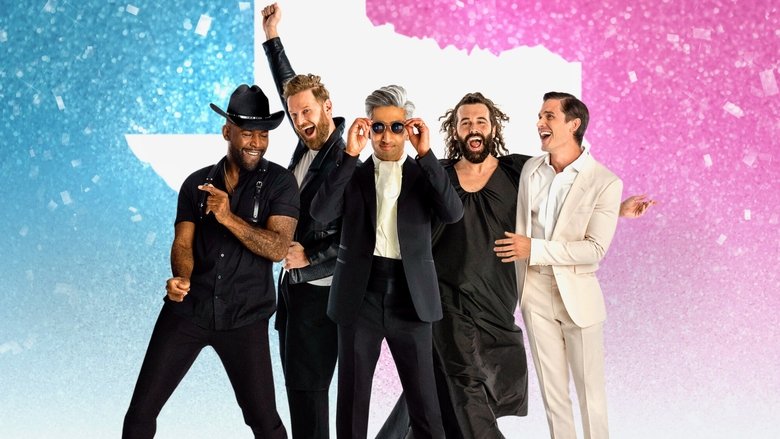
The show’s structure is simple: a stranger’s life is dissected by five gay men—Antoni (food), Tan (fashion), Karamo (culture), Jonathan (grooming), and Bobby (design)—who then rebuild it, piece by piece, over the course of a week. The formula hasn’t changed much since the original Queer Eye for the Straight Guy (2003), but the reboot’s cultural moment has. In 2003, the Fab Five were novelty acts, their queerness a punchline that doubled as social progress.
In 2018, they’re emissaries of a different kind of visibility—one that’s less about being seen as gay and more about being seen as human.
That shift is clear in how the show handles its clients. The early seasons leaned into the “straight guy makeover” trope, but by Season 3, the show had expanded its scope. Now, the Fab Five work with women, queer people, trans folks, people of color, and clients from rural communities.
The makeover isn’t just about aesthetics anymore; it’s about agency. In one episode, a Black man in his 60s weeps as he tries on a suit that fits him properly for the first time in his life. In another, a trans woman learns to apply makeup in a way that feels like hers, not like a performance of femininity.
These aren’t just style tips. They’re acts of reclamation.
The show’s most radical move might be its refusal to treat shame as something to be fixed. Instead, it sits with it. Karamo, the culture expert, is particularly good at this.
He doesn’t rush to fix a client’s emotional baggage; he listens. In one memorable scene, he sits with a young man struggling with his sexuality, not offering solutions, just presence. The camera lingers on their faces, the silence heavy with unspoken things.
It’s a rare moment of stillness in a genre that usually moves at the speed of a montage.
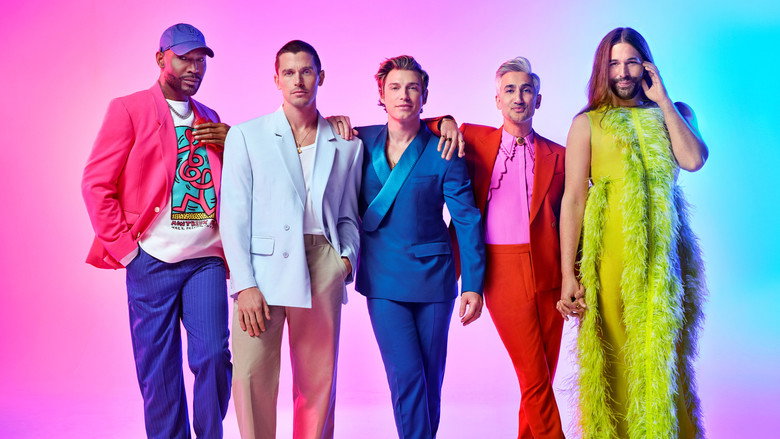
Of course, Queer Eye isn’t a documentary. It’s reality TV, which means it’s as much about performance as transformation. The Fab Five are characters as much as they are people—Jonathan’s unhinged enthusiasm, Tan’s dry wit, Antoni’s earnestness (and his infamous guacamole tutorial, which became a meme for all the wrong reasons).
Their chemistry is undeniable, but it’s also carefully calibrated. The show’s producers know that conflict drives narrative, so they often manufacture tension—usually in the form of a client resisting change. It’s a tired trope, but it works because the resistance feels real.
We’ve all been that person, digging in our heels against something we know we need.
The design segments, led by Bobby Berk, are the show’s most visually satisfying. Berk’s aesthetic is minimalist but warm—lots of neutral tones, clean lines, and natural light. He doesn’t just redecorate; he reimagines spaces to reflect the people who live in them.
A cluttered bachelor pad becomes a serene retreat. A hoarder’s home is transformed into a functional living space. The before-and-after shots are satisfying, but the real magic is in the why.
Berk doesn’t just tell clients what to buy; he asks them what they love. The makeover becomes a collaboration, not a correction.
That’s the show’s real thesis. Transformation isn’t about erasing who you were; it’s about uncovering who you’ve been all along. The Fab Five don’t “fix” people. They hold up a mirror.
The show’s biggest flaw is its refusal to interrogate its own limits. Queer Eye operates within a capitalist framework—one where self-improvement is always tied to consumption. The makeovers are funded by sponsorships (hello, Wayfair and Shiseido), and the clients’ new lives often come with price tags they can’t sustain. The show gestures at systemic issues—homophobia, racism, classism—but it rarely engages with them beyond the personal.
The makeover is a bandage, not a cure.
And yet. There’s something undeniably moving about the way Queer Eye insists on joy. In a world that often feels like it’s collapsing, the show offers a vision of what could be—if we just took a little more care with ourselves and each other.
It’s not a perfect vision, but it’s a generous one. The Fab Five’s love language is action: a meal cooked, a suit tailored, a living room rearranged. They don’t just tell people they’re worthy of love; they show them.
I keep coming back to that moment with Karamo on the couch. Not because it’s dramatic, but because it’s quiet. The show is at its best when it slows down, when it lets the camera linger on a face, a gesture, a silence.
Those are the moments when Queer Eye feels less like a makeover show and more like a ritual. A secular confession, a laying on of hands. The Fab Five don’t have all the answers.
But they’re willing to sit with the questions. And sometimes, that’s enough.
"A widely praised reality series known for heartfelt transformations, diverse representation and an uplifting tone, though it can be predictable and culturally limited."
*Queer Eye* (2018) is consistently called a refreshing, emotionally impactful series that goes beyond the typical makeover show. The Fab Five (Antoni Porowski, Tan France, Karamo Brown, Jonathan Van Ness and Jeremiah Brent) are praised for their chemistry, authenticity and ability to connect with participants personally. The focus is on self-improvement, confidence and emotional well-being rather than surface changes. It is uplifting, with moments of laughter, tears and inspiration. Reactions to the Japan special credit the show’s cultural adaptability, though some critique its Western-centric lens outside the U.S. A minority find some episodes formulaic or overly sentimental, particularly in later seasons. Its emphasis on kindness, representation and personal growth earns it strong audience loyalty.
Queer Eye (2018) is a cultural reset, a meme factory, and—behind the scenes—a pressure cooker of emotions. The Fab Five’s chemistry is undeniable, but the series has weathered its share of turbulence, from cast exits to internet backlash. latestnetflix.com's view is that here’s the gossip you won’t catch between the grooming tips and tearful reveals.
The most visible crack in the Queer Eye armor came when Bobby Berk, the show’s design guru, announced his departure after Season 8. The cast’s reaction was raw: in a clip from Entertainment Tonight, the remaining four—Antoni Porowski, Tan France, Karamo Brown, and Jonathan Van Ness—struggled to hold back tears while discussing his exit. Berk’s absence leaves a void; his no-nonsense design ethos and dry humor balanced the group’s more flamboyant personalities. Rumors swirled about creative differences or burnout, but neither Netflix nor Berk has confirmed specifics. What’s clear? The dynamic is irrevocably changed.
If there’s one thing softer than Jonathan Van Ness’s hair, it’s the internet’s obsession with Antoni Porowski’s corgi, Oscar. The pup has become a Queer Eye staple, even starring in his own YouTube segment where Porowski gushes over their bond. The corgi’s cameos—whether photobombing a makeover or napping in a client’s redesigned living room—are a masterclass in branding. Oscar is a mood, a meme, and arguably the show’s most consistent source of joy. (No drama here, just tail wags.)
Queer Eye’s early seasons were a cultural phenomenon, but the show hasn’t been immune to criticism. Some viewers argue later seasons leaned into performative allyship or staged conflicts, diluting the authenticity that made the original Queer Eye for the Straight Guy (2003) stand out. A YouTube deep dive titled "How The Internet Fell Out of Love With Queer Eye" unpacks this shift, suggesting the formula grew repetitive or overly polished. Others defend the show’s evolution, pointing to its international spin-offs—like Queer Eye: Germany (2022)—as proof of its global appeal. The truth? The Fab Five’s charm still works, but the magic isn’t effortless anymore.
Behind-the-scenes tidbits are scarce, but a few whispers persist:
Queer Eye remains a powerhouse, but its behind-the-scenes story is messier than a client’s cluttered closet. Between emotional exits, internet nitpicking, and the pressure to stay relevant, the Fab Five’s journey is as much about survival as it is about self-love. One thing’s certain: Oscar the corgi isn’t going anywhere.
Entertainment rumors and trivia aggregated from public reporting. Treat speculation as unverified unless a cited source confirms it.
More titles in the same genres and with the same cast.