Season 1
6 episodes Apr 22, 2026 6.8
- 1 Apples
- 2 Tomatoes
- 3 Foraging
- 4 Root Vegetables
- 5 Corn
- 6 Compost

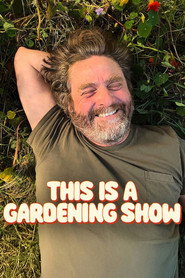
Zach Galifianakis digs into the world of gardening, interviewing curious kids and eccentric experts in a funny, oddball celebration of the food we eat.
Latest episode: S1 E6 Compost (Apr 22, 2026)
Official
I didn’t expect to care about compost. Or carrots. Or the way Zach Galifianakis holds a shovel like it’s a prop from a magic show he’s not entirely sure he’s qualified to perform.
But there I was, three episodes into This Is a Gardening Show, suddenly invested in the emotional life of a rutabaga. That’s the trick of it, I think—the series doesn’t just teach you how to grow things. It makes you want to.
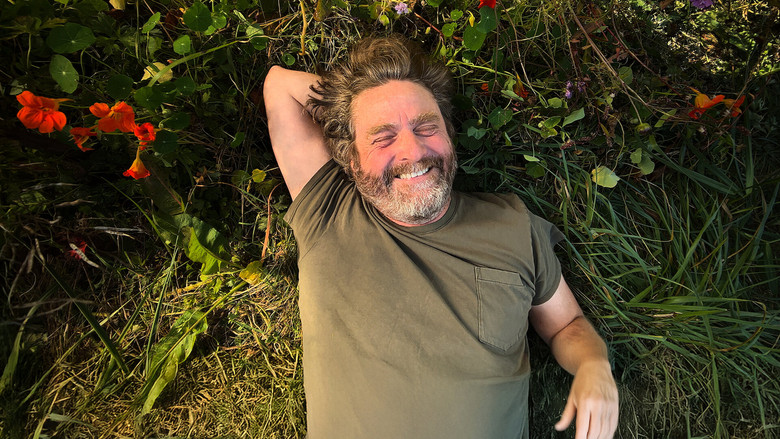
The premise is disarmingly simple: Zach Galifianakis, of all people, hosts a gardening show. No elaborate sets, no high-stakes competition, no celebrity chefs yelling about heirloom tomatoes. Just Zach, a rotating cast of eccentric gardeners, and a parade of kids who say the kinds of things that make you snort-laugh into your coffee.
The show’s greatest strength is its refusal to overcomplicate itself. It’s a series that understands the quiet magic of watching something grow—not just plants, but ideas, curiosity, and, if you’re lucky, a little bit of wonder.
Take the episode where Zach visits a school garden. The kids are maybe eight or nine years old, and they’re explaining, with absolute seriousness, how to tell if a carrot is ready to be pulled from the ground. One boy, missing a front tooth, demonstrates by yanking a carrot with such force that he nearly topples backward.
Zach, ever the straight man, nods solemnly. “That’s how you know it’s ripe,” the boy declares. Zach doesn’t laugh. He doesn’t even crack a smile.
He just says, “That’s… a very scientific approach.” The moment is so perfectly understated that it loops in my head for days. There’s no punchline, no exaggerated reaction—just the pure, unfiltered joy of a kid who’s figured something out and wants to share it.
That’s the rhythm of the show: gentle, observational, and just weird enough to keep you leaning in. The humor isn’t in the setup or the delivery; it’s in the spaces between. Zach’s deadpan reactions to the absurdity of gardening (and, by extension, life) are the glue that holds it all together.
He’s not playing a character—he’s just being Zach, which, as it turns out, is more than enough. There’s a moment in the first episode where he’s interviewing a farmer about garlic. The farmer, dead serious, explains that you can tell when garlic is ready to harvest because the lower leaves turn brown.
Zach stares at him for a beat, then says, “So… it’s like it’s wearing socks?” The farmer blinks. The camera cuts to a shot of the garlic, its papery skin indeed looking like tiny, dirty socks. It’s the kind of joke that shouldn’t work, but it does, because Zach delivers it with the kind of earnest confusion that makes you believe he’s genuinely trying to understand.
The show’s structure is loose, almost improvisational, which is both its charm and its limitation. Episodes flit between Zach’s interviews with farmers, his interactions with kids, and brief, surreal interludes—time-lapse shots of plants growing, psychedelic animations of seeds sprouting, a soundtrack that feels like it was plucked from a Mac DeMarco album. It’s not a how-to guide, and it’s not trying to be.
If you’re looking for step-by-step instructions on building a raised bed or diagnosing blight, you’ll be disappointed. But if you’re looking for something that feels like hanging out with a particularly curious friend who’s just discovered the miracle of photosynthesis, you’re in the right place.
That friendliness is the show’s secret weapon. It’s rare to find a series that feels this kind. There’s no cynicism, no snark, no performative outrage.
Just Zach, a bunch of kids, and a bunch of people who really, really love plants. The gardeners he interviews aren’t celebrities or influencers; they’re just people who’ve spent years coaxing life out of the dirt. There’s something deeply comforting about that, especially in a cultural moment where so much of what we watch is designed to provoke anxiety or outrage. This Is a Gardening Show is the opposite of that.
It’s a balm.
I keep coming back to the kids, though. Their presence isn’t just a gimmick—it’s the heart of the show. They ask the questions we’re all thinking but are too embarrassed to voice.
Why do we eat the roots of some plants and the leaves of others? How do seeds know which way is up? Why does compost smell so bad?
(Zach’s answer to that last one: “It’s like nature’s way of saying, ‘Don’t eat me.’”) Their curiosity is infectious, and Zach’s willingness to engage with it—without condescension, without irony—is what makes the show feel so genuine. He’s not performing for them; he’s learning alongside them. In one of the most touching moments of the series, a little girl asks him if he’s ever grown anything before.
Zach pauses, then admits, “I’ve killed a lot of plants.” The girl nods sagely, as if this is the most relatable thing she’s ever heard. “Me too,” she says.
The show’s biggest flaw is also its most forgivable: it’s too short. Six episodes, each clocking in at around 15 minutes, leave you wanting more. More kids, more plants, more of Zach’s quiet, baffled reactions to the natural world.
There’s a moment in the final episode where he’s standing in a field of sunflowers, and he just says, “I don’t know why, but this makes me really happy.” It’s a throwaway line, but it lands because it’s true. The show isn’t trying to be profound. It’s just trying to remind us that there’s joy in the act of growing something—whether it’s a tomato plant or a new way of looking at the world.
I didn’t go into This Is a Gardening Show expecting to be moved. I went in because I like Zach Galifianakis, and I was curious about what a gardening show hosted by him would look like. What I got was something far more interesting: a series that treats gardening not as a hobby or a chore, but as a way of connecting with the world.
It’s a show about patience, about curiosity, about the quiet satisfaction of watching something thrive because you gave it a little bit of your time and attention. And really, what’s more radical than that?
"A cozy, funny, and lightly educational gardening romp powered by Zach Galifianakis’s offbeat warmth and kid-centered silliness."
Short, 15-minute episodes mix goofy sketches, kid interviews, and gentle history lessons about food and farming, an easy, uplifting watch that still sneaks in real information. Zach’s oddball charm, the children’s unscripted reactions, the relaxed soundtrack, and the Canadian setting earn a lot of affection, and some binged the whole run. The main frustrations: the series is very short, the gardening advice stays basic, and anyone hoping for a substantial how-to or sharper comedy gets only the surface.
You came for compost and carrots; you stayed because Zach Galifianakis somehow turned a Netflix nature doc into low-key chaos in the woods. latestnetflix.com's read is that here’s the real tea—from last‑minute creative panic to surprise A‑list cameos and pandemic‑era farm logistics—behind This Is a Gardening Show.
The bottom line: This Is a Gardening Show wasn’t some pre‑packaged “Zach meets zucchini” concept. It was a post‑pandemic gamble shot on spec, stitched together from ferry rides, farm chaos, improvised kid interviews, and a comedian who once cleared syringes to plant ghost peppers and now wants your children to know what a tomato actually is.
Entertainment rumors and trivia aggregated from public reporting. Treat speculation as unverified unless a cited source confirms it.
More titles in the same genres and with the same cast.