I keep thinking about the first joke Zom 100: Bucket List of the Dead makes, because it lands with a kind of rude precision: a zombie apocalypse is not the worst thing that can happen to a young worker in modern Japan. That’s funny, sure, but it’s also a little embarrassing — the show knows exactly how to prick the bubble of the “normal” life many of us have been trained to accept. latestnetflix.com's read is that When Akira wakes up to a city that’s finally gone mad, the series treats the dead as an interruption and, in a strange way, as a relief.For once, no one expects him to answer emails.
That premise is doing more work than a standard zombie setup usually allows. Zom 100 arrived as an adaptation of the manga by Haro Aso and Kotaro Takata, and the appeal is obvious even before a single limb gets torn off: it’s a workplace burnout comedy dressed in gore, neon, and motion. The series doesn’t just use apocalypse as backdrop; it uses it as permission. Permission to quit.
Permission to laugh too loudly. Permission, maybe most importantly, to want things again. In that sense, it belongs to a long line of genre stories that smuggle social critique through monsters, but this one has a particularly contemporary target.
The enemy isn’t only death. It’s the office. The grind.
The social contract that tells you gratitude should be enough.
What’s striking, and what I didn’t entirely expect, is how often the series turns from satire into earnestness without losing its footing. That can be a dangerous move in comedy; sincerity can deflate the joke if the material hasn’t earned it. Here, though, the shift feels almost like the point.
Akira’s lists and little bursts of joy — food, freedom, a ridiculous sense of self-reinvention — aren’t played as ironies. They’re treated as late arrivals of a life he should’ve been allowed to live all along. I wouldn’t say every episode carries that balance equally well.
There are stretches where the show seems to know it’s funniest when it’s sprinting, and a bit too eager to stop and explain the feeling behind the joke. But when it works, it’s because the comedy isn’t separate from the emotion. It’s how the emotion gets out.
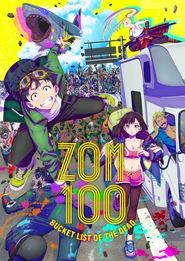
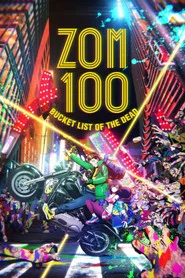
The direction across the season has the burden of keeping all this buoyant, and that means rhythm is everything. Action scenes are cut with a zippy, almost slapstick impatience, then allowed to linger just long enough on a face or a ruined street corner so the absurdity has somewhere to land. The show’s visual language keeps returning to contrast: dead gray cities versus candy-bright pops of color, broken storefronts versus the exaggerated vitality of Akira’s expressions, the lumbering mass of zombies versus the bounce in the characters’ bodies when they’re actually living.
That contrast is the thesis, but it never feels like a dry one. It’s embodied. You can see it in posture.
In the way Akira stands up straighter once he decides he’s done being crushed.
A scene I can’t shake comes early in the series’ logic, when Akira’s newly awakened self translates into action rather than philosophy. He’s not giving a speech. He’s not solving society.
He’s figuring out what to do next, one absurdly simple desire at a time. The camera and editing — and here I’m talking about the series’ general visual grammar rather than a single auteur’s signature, since the production is a collaboration rather than a director-driven calling card — understand that the thrill comes from momentum. Akira darts, stumbles, grins.
The world around him keeps trying to turn him back into a functioning office drone, and the joke is that apocalypse is easier to survive than workplace compliance. There’s a lovely, almost childish sincerity to the way the show lets him chase pleasures he’d been denying himself. A can of beer.
A clean pair of socks. A day that belongs to him. Not exactly grand cinema, on paper.
On screen, it feels radical.
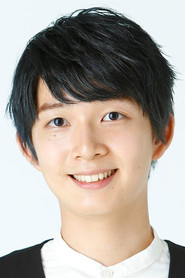
The other key ingredient is performance, especially from Shuichiro Umeda as Akira and Tomori Kusunoki as Shizuka. Umeda gives Akira a voice that can pivot from strained politeness to open-mouthed delight in a fraction of a second, which matters because the character’s awakening has to feel bodily, not rhetorical. He sounds like someone whose muscles have finally remembered they’re alive.
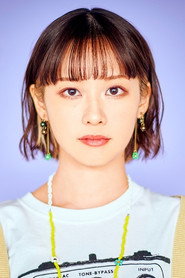
Kusunoki, meanwhile, plays Shizuka with a coolness that never turns into blankness; there’s calculation in the way she withholds warmth, but also a kind of survival intelligence that keeps her from becoming a stock “serious girl” opposite the fool. I’m not sure the series always knows what to do with that energy — sometimes it leans a little too hard on contrast as a shortcut — but Kusunoki keeps the character legible without sanding off the edges.
Makoto Furukawa’s contribution adds another texture, one that matters in a show like this because not everyone can be permanently caffeinated by survival. He brings a steadier, rougher register to the ensemble, and that gives the series room to breathe around Akira’s manic optimism. In a less careful show, the supporting cast would just orbit the lead as reaction material.
Here, they help define the moral temperature of the world: who’s adapted, who’s pretending, who’s still hoping for something human under all the noise.
There’s a temptation, with a series like this, to call it “zany” and move on. That would be lazy. What Zom 100 is really doing is asking whether adulthood has trained us to confuse obedience with maturity.
It’s a question with teeth, which may be why the series has resonated so strongly: it arrives at a moment when exhaustion has become a shared language. The zombies are a metaphor, yes, but not a smug one. They’re what happens when you keep moving without any internal life left in the engine.
I don’t think every joke lands, and I do think the show occasionally overstates itself when a lighter touch would’ve been smarter. Still, I’d rather have a series reach too eagerly for joy than one flatten the whole idea into another slick genre machine. Zom 100: Bucket List of the Dead is at its best when it remembers that survival isn’t the same thing as living. That distinction can seem theatrical until you’ve spent enough time in a job, or a routine, or a phase of life that quietly eats your appetite.
Then it starts to look like the most practical philosophy in the world.
Audience Opinions
Broad evidence
Audience 7.0/10
"Zom 100: Bucket List of the Dead reframes the zombie apocalypse as the ultimate cure for workplace burnout, with vibrant energy and infectious optimism."
Akira's cathartic realization that the collapse of society frees him from an exploitative corporate grind is the heart of the show. The story swaps grim survival dread for a buoyant celebration of personal dreams and everyday pleasures. The premiere hooks with sharp social satire and dynamic visual flair, but later stretches lean into over-the-top farce and lose the grounded emotion of the opening.
What viewers praise
Cathartic genre subversionThe uplifting premise treats an apocalyptic outbreak as liberation from soul-crushing corporate burnout.
High-energy comedic styleThe colorful palette and sense of fun are infectious.
Common complaints
Hyperbolic tonal shiftsThe shift from biting workplace satire to exaggerated, absurd slapstick is jarring.
Recommended for
Anyone wanting an uplifting, carpe diem spin on zombie fiction Fans of colorful, fast-paced action comedies Anyone recovering from workplace burnout who appreciates sharp corporate satire
Buzz & Rumors
Public reports
Zom 100: Bucket List of the Dead – The Undead Uprising Behind the Scenes
Zom 100: Bucket List of the Dead (2023) flips the zombie genre on its head, turning apocalyptic dread into a darkly comedic celebration of life. latestnetflix.com's view is that but how did this manga adaptation go from page to screen—and what’s the story behind its chaotic charm?
From Manga to Screen: A Long-Awaited Adaptation
The series is based on the manga Zom 100: Zonbi ni Naru Made ni Shitai 100 no Koto (literally "100 Things I Want to Do Before Becoming a Zombie"), written by Haro Aso and illustrated by Kotaro Takata. The manga, which began serialization in 2018, quickly gained a cult following for its fresh take on the zombie trope—focusing on a disillusioned office worker who, after a zombie outbreak, decides to live life to the fullest rather than despair.
The 2023 anime adaptation brought this premise to life, though details about its production remain scarce. The series was created by Haro Aso (credited as the original writer), but the director and key creative team behind the anime remain unconfirmed in the available evidence. What is clear is that the show’s tone—equal parts absurd and heartfelt—stays true to the manga’s spirit.
The Cast: Voices Behind the Undead Chaos
The anime’s Japanese cast includes Shuichiro Umeda, Tomori Kusunoki, and Makoto Furukawa, though their specific roles aren’t detailed in the snippets. Umeda, known for his work in The Rising of the Shield Hero, likely voices the protagonist, Akira Tendo, the overworked salaryman who seizes the zombie apocalypse as an opportunity to reclaim his life. Kusunoki, a rising star in anime voice acting, and Furukawa, a veteran of My Hero Academia, round out the main trio, though their exact characters are unconfirmed.
The English dub, meanwhile, features Zeno Robinson (known for My Hero Academia and Demon Slayer) and Bill Millsap, though their roles aren’t specified in the evidence. The lack of detailed casting breakdowns leaves fans speculating about which actors brought which characters to life.
A Zombie Apocalypse with a Twist
The show’s premise is simple but effective: after a zombie outbreak, Akira, a 24-year-old office drone, realizes he’s been sleepwalking through life. Instead of panicking, he crafts a bucket list of experiences he never allowed himself—from petty revenge on his boss to wild, post-apocalyptic adventures. The series blends comedy, action, and existential musings, making it a standout in the crowded zombie genre.
What’s missing, however, is any behind-the-scenes drama or production anecdotes. The evidence doesn’t reveal whether the anime faced delays, creative clashes, or budget constraints—common in adaptations of this scale. For now, the focus remains on the final product: a series that turns the end of the world into a reason to live.
The Mystery of Season 2
One of the biggest unanswered questions is whether Zom 100 will return for a second season. The manga is still ongoing, leaving plenty of material for adaptation. However, the evidence doesn’t confirm any renewal plans, leaving fans in the dark. Rumors swirl about potential delays or studio decisions, but without official announcements, it’s all speculation.
For now, Zom 100: Bucket List of the Dead remains a unique entry in the zombie genre—one that prioritizes joy over despair, even in the face of the undead.
Entertainment rumors and trivia aggregated from public reporting. Treat speculation as
unverified unless a cited source confirms it.
Related series
More titles in the same genres and with the same cast.