I think a lot of us are worn out on apocalypse-sized storytelling. By the end of the main My Hero Academia run, after years of collapsing cities, escalating trauma, and teenagers sobbing under the pressure of saving everything, the scale had started to feel numbing. There’s only so much world-historical anguish you can take before your eyes glaze over.
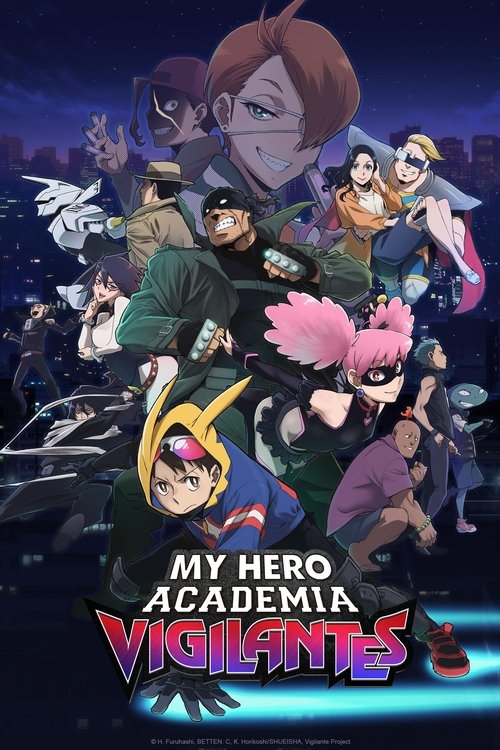
Then My Hero Academia: Vigilantes slips into the 2025 anime lineup and does something unexpectedly refreshing. Yes, it’s a prequel. latestnetflix.com's read is that More than that, it feels like the franchise remembering the ground exists.
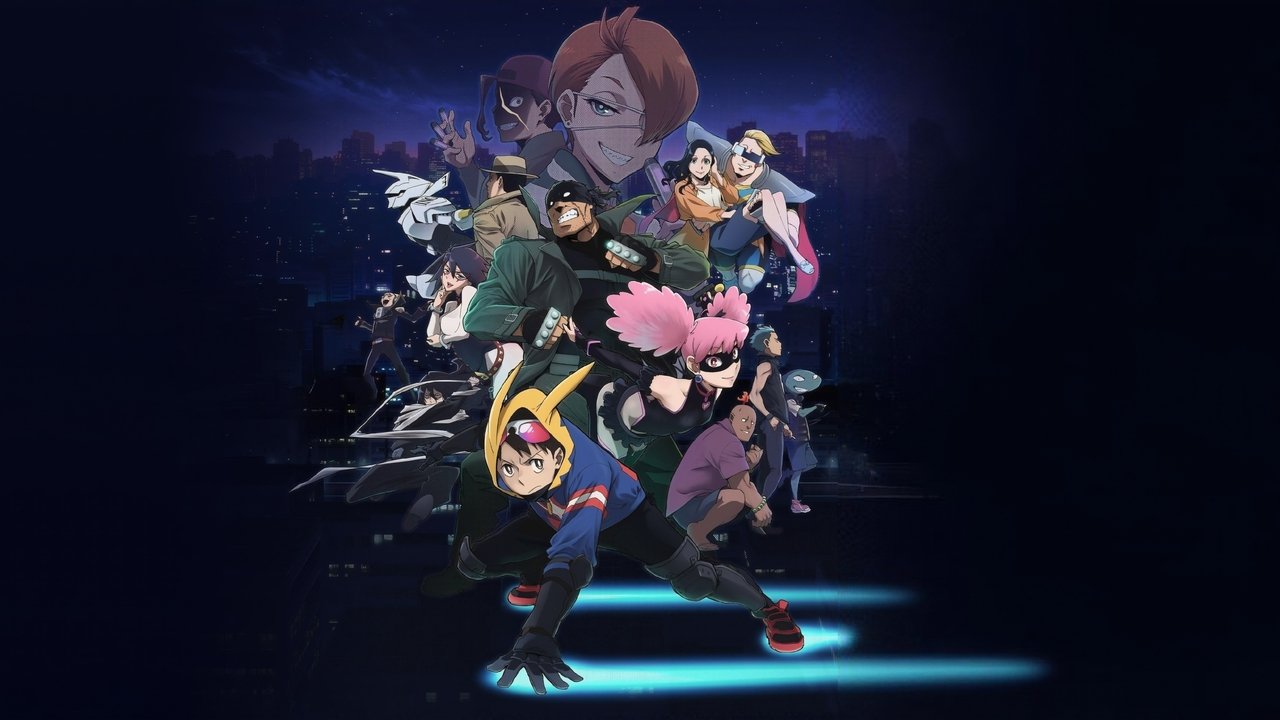
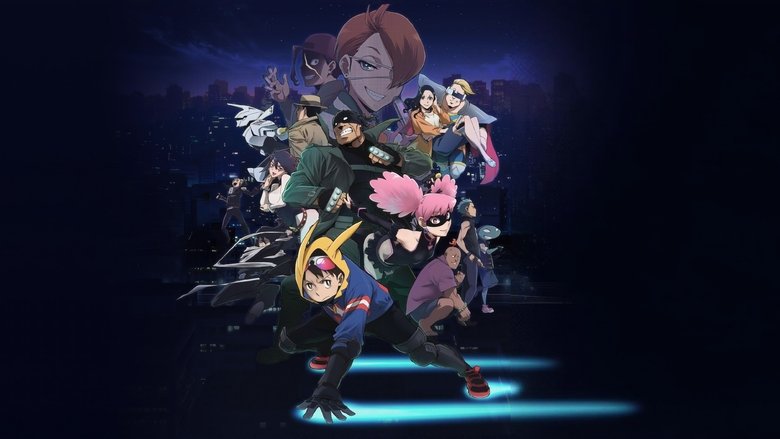
Studio Bones, working here under the Bones Film banner, makes a real point of shrinking the frame. The camera stays low. It hangs around convenience store lots, cramped alleys, and streets that actually look used.
Kenichi Suzuki trades the glossy spectacle of licensed heroism for a dimmer, more nocturnal palette. When violence breaks out, it doesn’t split the earth open. It leaves somebody bleeding on the sidewalk.
Even the animation feels heavier. The comic-book onomatopoeia splashed over fights gives them a rough, tactile energy. IGN got at part of the appeal in its premiere review, saying the show "boasts a dazzling art direction that translates the vibrant colors and lively onomatopoeia of a classic superhero comic to the TV screen."
True enough. But what really sticks is how much emotional room the series finds in small danger. A mugging in a back street can matter more than a meteor when the show treats it like it matters.
Koichi is a big part of why that works. He’s not a destiny kid. He’s eighteen, in college, and saddled with a Quirk called "Slide and Glide," which lets him hover across flat surfaces about as fast as a bicycle, as long as three limbs stay in contact with the ground.
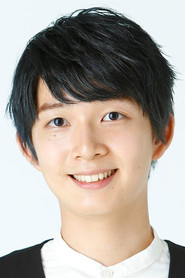
That awkwardness tells the story before he does. He moves crouched low, almost apologetically, like the world has already taught him to stay out of the way. Shuichiro Umeda voices him with a thin, wavering softness that fits perfectly.
A few years back, Umeda picked up a Seiyu Award for another worn-down everyman in Zom 100, and he taps into that same anxious, depleted register here. When Koichi tries to sound brave, his voice doesn’t rise into heroics. It catches.
The moment that sold me comes early in the 26-episode run. Koichi gets cornered by a pack of low-rent thugs and just locks up. His shoulders crawl toward his ears.
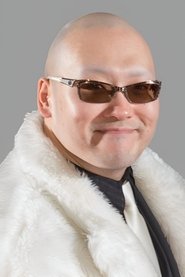
The frame closes in on his shaking hands. Then Knuckleduster appears, this massive unlicensed wrecking ball voiced by Yasuhiro Mamiya with a kind of sandpaper weariness. He doesn’t answer with some elaborate power move.
He throws one brutal right hook with brass knuckles. The soundtrack drops the flashy anime-fight electronics and gives you the ugly, blunt sound of metal meeting bone. It’s nasty.
Deliberately slow, too, maybe slower than some shounen fans will want. But that drag is part of the point. The scene gives the fantasy actual heft.
I’m still not sure Vigilantes will fully satisfy viewers who mainly want nonstop lore expansion and power-tier arguments. It wanders. It’s happy to spend whole episodes on trash pickup or neighborhood nuisance problems.
But that repetition is where the show finds its spine. It keeps circling a question the genre usually sidesteps: does helping people only count if a license says it does? Koichi isn’t trying to become a symbol.
He’s wearing a hoodie because the air is cold, and he steps in because somebody needs him to. That’s a much smaller idea of heroism, and right now it feels like the healthier one.
Audience Opinions
Audience 7.6/10
"A grounded, street-level spin on the MHA world with slick animation and a likable core trio, undercut by uneven pacing and a protagonist who changes too little."
Smaller-scale hero work, strong production values, and the chemistry between Koichi, Pop Step, and Knuckleduster make the series feel fresh compared to the school-focused main story. Neighborhood-level threats, lower-powered Quirks, and added context around vigilantes and Trigger expand the setting in a satisfying way. The flip side is a slow, sometimes meandering plot where Koichi barely evolves, big story threads lose focus to lighter subplots, and heavy reliance on cameos and modest fanservice keeps it from feeling as distinctive or emotionally punchy as hoped.
What viewers praise
High-quality animationAction scenes are fluid and stylish, with visual touches that give the show its own identity while matching the polish expected from this universe.
Grounded street-level focusConcentrating on small-scale crimes and everyday Quirk users creates a more human take on heroism than the usual city-levelling battles.
Engaging core trioThe dynamic between Koichi, Pop Step, and especially Knuckleduster is the emotional and dramatic backbone of the series.
Stronger worldbuilding perspectiveExplores the flaws of the licensed-hero system, community self-defense, and the Trigger drug in ways that deepen understanding of the wider setting.
Accessible entry pointWorks reasonably well even if you are not invested in the main story—a contained, character-driven storyline instead of a dense continuity dump.
Common complaints
Static main characterKoichi often feels passive and underdeveloped, with little sense of real growth from the first episode to the last.
Wobbly pacingThe narrative drifts away from the Trigger plot into lighter slice-of-life detours, making the middle stretch feel unfocused and sometimes dull.
Overused cameosFrequent appearances from familiar faces can feel like crutches, pulling attention away from the new cast and making the show seem less self-sufficient.
Underwhelming power setKoichi’s Quirk is visually and conceptually bland compared with other characters, which blunts the impact of several fights.
Patchy tone and fanserviceOccasional fanservice scenes and tonal shifts clash with the otherwise grounded approach and turn off anyone wanting a cleaner, more serious story.
Recommended for
My Hero Academia universe devotees Street-level superhero drama fans Character-focused shonen viewers Bones action animation enjoyers Grounded sci-fi fantasy watchers
Buzz & Rumors
Public reports
UNDER THE MASK: All the Real-World Drama Behind My Hero Academia: Vigilantes (Yes, There’s Tea)
Vigilantes may be about underground heroes, but the real chaos is happening off-screen. latestnetflix.com's read is that From censorship wars to “I totally blew my audition” confessions, this spinoff has stirred up more discourse than a League of Villains group chat.Let’s rip off the hero license and dive in.
Scandals & Controversies
Pop☆Step’s Outfit Censored – and the Fandom Erupts
In the manga, Pop☆Step is dressed like a “playfully devilish pop idol,” with a big heart-shaped cutout on her chest, bare thighs, and a costume that leaves very little between her and a public-indecency charge. - For the anime, the production team quietly covered her up: they shrank and raised the heart cutout, added black or grey stockings, extended the lower half of her unitard to cover her butt, lengthened the skirt, and gave her taller boots so there’s far less exposed skin. - Outlets framed it bluntly as censorship to avoid “excessive fanservice” of an underage character and to satisfy TV broadcast standards. One piece notes that Pop is about 15 when the story begins, and that “sexualizing minors” was a core complaint fans had about the original design. - To make it spicier, Studio BONES/BONES Film never gave a clear public explanation, leaving everyone to argue about whether it was morality, marketability, or pure cowardice.
This Isn’t Their First Censorship Rodeo
Commentators pointed out that this fits a pattern in the MHA franchise: Toga’s manga transformations that leave her effectively naked get “skin-colored coverage” in the anime, and Midnight’s suit was shifted from skin-toned to white. - Vigilantes’ Pop☆Step redesign is thus seen as the latest entry in the “we love fanservice, but we also like staying on TV” saga.
Fan Backlash & Fandom Fights
Pop☆Step: Protected Teen or Nerfed Icon?
Screen Rant and CBR both highlight a split in the fandom:
One camp cheers the move, arguing that putting a teen idol in a hyper-sexualized outfit was always a bad look and that covering her up is basic decency. - The other camp thinks the anime “nerfed” her character, arguing that the risqué design was part of her brash, performative persona and that sanitizing it undercuts the critique of how the world treats young idols. - A particularly savage comment observed that there was “0% chance” Pop’s manga outfit was ever making it to TV unchanged, with fans joking that even the in-universe survey that fixated on her “nice butt” would probably be toned down.
“They Censored Vigilantes for No Reason” Discourse
YouTube and commentary pieces amplified the drama, with creators accusing the anime of being “censored for no reason” and comparing Pop’s redesign to broader trends of studios scrubbing anything that might spark social media outrage. - The meta-fandom drama became its own side show: one side saying “stop objectifying minors,” the other grumbling that anime is being sanitized into oblivion.
Cast Feels & Behind-the-Mic Drama
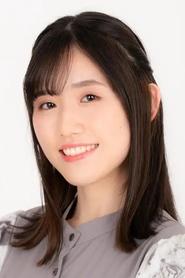
Ikumi Hasegawa: “I Blew My Pop☆Step Audition So Badly”
In an Oricon interview summarized in coverage, Pop☆Step’s Japanese voice actress Ikumi Hasegawa admitted she thought she completely tanked her audition. - She described her Pop interpretation as being “heavily critiqued,” and said she was “extremely shocked” to later learn she’d actually landed the role. - She auditioned alongside Shuichiro Umeda (Koichi) and Yasuhiro Mamiya (Knuckleduster); insiders and fans alike now speculate that the trio’s chemistry in the room may have saved her — a real “failed the test, aced the vibe check” moment.
“VigiRadi” Chemistry Fuels Ship Discourse
Japanese promo interviews and radio content featuring Umeda and Hasegawa chatting casually about recording and joking together have been clipped and shared by seiyuu fans, who point to their easy banter as “proof” of why Koichi/Pop scenes feel so natural. - No credible dating rumors have surfaced, but fans absolutely project the character dynamics onto the actors and treat every playful line like a ship manifesto. Unconfirmed, pure fandom speculation — but very on-brand.
Leaks, Cuts & Production Drama
Leaked Episode Counts & Cour Split
Well before Season 2 was officially detailed, anime leak pages and Facebook fan groups were already claiming that Vigilantes would run for 26 episodes split into two cours, which later matched the Season 1 + Season 2 structure. - Fans joked that someone on the production committee clearly can’t keep a secret, and turned “Vigilantes leaks” into its own mini-genre of hype posts.
Dub Delay Conspiracy Theories
When the English dub for Season 2 Episode 11 was suddenly delayed and pushed to March 30, fans on Reddit and X speculated wildly about what went wrong behind the scenes — everything from staff illness to late materials from Japan got floated as possible reasons. - Officially, it was just a “production issue.” Unofficially, fans treated it like a mid-season cliffhanger for the dub itself.
Cut & Altered Scenes: Manga Readers Still Salty
Manga readers have called out several bits of cut or softened content, particularly scenes involving Pop☆Step and edgier gags around her image and public perception. - One Reddit thread complained about specific omitted material and noted that after nerfing her design, the anime also trimmed or reframed scenes that doubled down on how people comment on her body, possibly to sidestep further controversy. - It’s not full-on “lost episode” energy, but there’s a simmering resentment that the rawest parts of Vigilantes got sanded down.
Romance Rumors & Shipping Chaos (Fictional, But Loud)
Koichi × Pop Step vs. Everyone Else
Articles and fan discussions note that the most popular ship for Koichi is, obviously, him and Pop☆Step — but some commentators slam it as a bad ship due to their age gap in the early story and the power imbalance created by her idol persona. - Other pieces and fan posts argue they have “undeniable chemistry” and accuse the manga and anime of stringing everyone along with almost-romantic beats and no clean resolution. - While this is all about the characters, not the cast, the debate has become high-profile enough in fandom spaces that it’s basically part of the series’ real-world gossip ecosystem.
Entertainment rumors and trivia aggregated from public reporting. Treat speculation as
unverified unless a cited source confirms it.
Related series
More titles in the same genres and with the same cast.