Hiromu Mineta
Yatora Yaguchi (voice)

Bored with life, popular high schooler Yatora Yaguchi jumps into the beautiful yet unrelenting world of art after finding inspiration in a painting.
Official
I’ve never been good at art. Not in the way that matters—brushstrokes, composition, the alchemy of turning feeling into pigment. But watching Blue Period, I found myself pressing my palms against the screen, as if I could absorb Yatora Yaguchi’s frustration through the glass.
There’s a moment in the first episode where he stands in front of a blank canvas, his fingers twitching, his breath shallow. The camera lingers on his face, not in a dramatic close-up, but in a way that feels like eavesdropping. He’s not just staring at the canvas; he’s staring at the gap between who he is and who he thinks he should be.
And for the first time in years, I recognized that look. Not as an artist, but as someone who’s ever felt the weight of wanting to be seen.
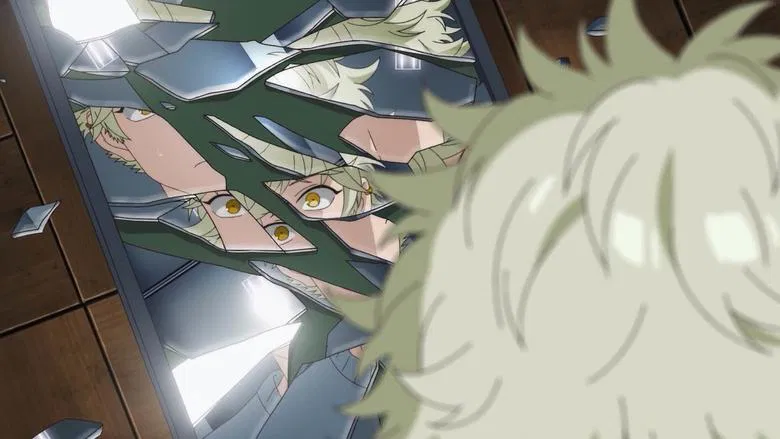
Blue Period is an anime about art, but it’s not really about art. It’s about the terror of beginning. Yatora is a high schooler who’s good at everything—grades, socializing, the performative ease of being the popular guy—until he stumbles into an art room and sees a painting that makes him feel something real.
The series follows his decision to apply to Tokyo University of the Arts, a choice that forces him to confront the difference between talent and skill, between liking the idea of something and doing the work to make it true. It’s a familiar coming-of-age premise, but what makes Blue Period special is its refusal to romanticize the process. Art isn’t a noble calling here; it’s messy, humiliating, and often boring.
The series spends entire episodes on Yatora struggling with color theory, or staring at a still life until his eyes cross, or crying in a bathroom because he can’t get the shading right on a hand. It’s the kind of detail that makes you wince in recognition, even if your own creative struggles have nothing to do with oil paints.
The animation itself is a quiet marvel. The backgrounds are lush and textured, but the real focus is on the characters’ faces—every micro-expression, every flicker of doubt or triumph. There’s a scene in episode 5 where Yatora and his classmates are working on a group project, and the camera cuts between their hands as they paint, their voices overlapping in a way that feels like being in a real studio.
The sound design is equally immersive: the scrape of charcoal on paper, the wet slap of paint on canvas, the way silence can feel like a physical presence. It’s the kind of show that makes you hyper-aware of your own breathing, as if you’re holding your breath alongside the characters.
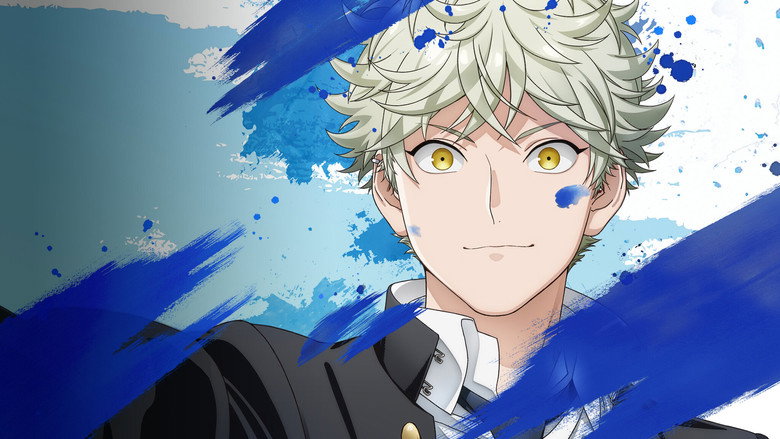
What’s striking about Blue Period is how little it relies on traditional anime tropes. There are no supernatural elements, no over-the-top emotional outbursts, no villains to defeat. The conflict is internal, and the stakes are personal.
Yatora’s biggest obstacle isn’t a rival artist or a harsh teacher (though there is one of those); it’s his own fear of failure, his habit of coasting, his discomfort with the idea that he might not be as good as he wants to be. The series is refreshingly honest about the fact that talent is just the starting point. The real work is showing up, day after day, even when it feels pointless.
That honesty extends to the supporting cast, too. Yatora’s classmates are all struggling with their own versions of the same questions: *Why am I doing this? What if I’m not good enough?
What if I don’t even like it?* There’s Mori, the quiet girl who paints with eerie precision but seems disconnected from her own work; Yotasuke, the effortlessly brilliant artist who might be Yatora’s rival or his muse (or both); and Ryuji, the genderfluid student whose confidence in their identity contrasts sharply with Yatora’s uncertainty. None of them are reduced to their roles in Yatora’s story.
They feel like real people, with their own ambitions and insecurities, and that makes their interactions feel weighty and true.
The series isn’t perfect. The pacing can be uneven, and there are moments where the dialogue feels a little too on-the-nose, as if the characters are reading from a self-help book about artistic growth. But those moments are rare, and they’re outweighed by the show’s willingness to sit with discomfort.
There’s an episode where Yatora’s friends from his old life invite him to a party, and he goes, but he can’t bring himself to enjoy it. He’s changed, and they haven’t, and the distance between them feels like a physical ache. It’s a small moment, but it’s the kind of thing that sticks with you—because we’ve all been there, standing in a room full of people we used to know, feeling like a stranger in our own life.
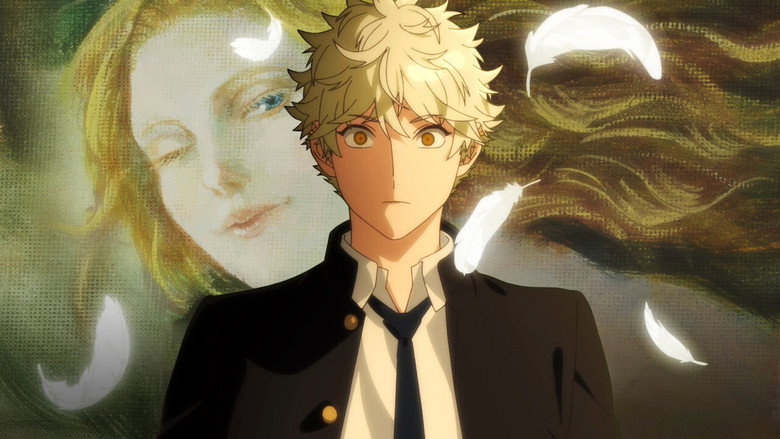
I keep thinking about the end of the first season, when Yatora finally submits his portfolio for the art school entrance exam. He’s spent months working on it, and in the final moments before the deadline, he realizes there’s a mistake—a small but glaring error in one of the pieces. He has to decide whether to fix it and risk missing the submission time, or turn it in as is.
It’s a moment that encapsulates everything the series is about: the fear of imperfection, the pressure to perform, the way art (and life) is always a balance between control and surrender. He chooses to fix it. And in that choice, there’s a kind of grace.
Blue Period isn’t a show about becoming an artist. It’s a show about becoming yourself. And that, in the end, is the hardest art of all.
"A relatable and visually stunning exploration of artistic passion and self-discovery."
The series authentically portrays the struggles and triumphs of pursuing art, making it highly relatable for creative people. Its animation and art style are beautiful and emotionally powerful, strengthening the storytelling. The pacing is slow, though, particularly in the middle episodes, and some side characters need more depth.
latestnetflix.com's take is that Think Blue Period is just a quiet little art drama?Think again. Behind all the linseed oil and charcoal dust is a trail of controversy, cancellation campaigns, and fandom chaos that Picasso himself would call “a bit much.”
Result: No lawsuits, no arrests — but the creator of a heartfelt coming‑of‑age art manga is now permanently filed in fandom memory under “problematic, pls discuss.”
No one’s leaking production spreadsheets, but the consensus tea: Blue Period deserved a lush, slow-burn adaptation and instead got the diet, zero‑calorie version.
When the cast refuses to date each other in real life, the fans simply make the characters date each other online.
Conclusion: Blue Period might not be a romance on paper, but online it’s basically a shipping battleground with occasional art lessons.
So far, the live‑action drama is less “paparazzi meltdown” and more “can he really capture Yatora’s internal monologue?” — which, for a Japanese art film, is about as messy as it gets.
Entertainment rumors and trivia aggregated from public reporting. Treat speculation as unverified unless a cited source confirms it.
More titles in the same genres and with the same cast.