Trish Bertram
Narrator

Gripping historical footage and expert commentary give detailed insights into the leading figures and decisive turning points of World War II.
I know this rhythm. The crackle of black-and-white newsreel. A gravel voice listing dates and casualties.
A slow pan across a field frozen in silver nitrate. WWII in Color: Road to Victory, from 2021, breaks the rhythm. The first time I saw a colorized Sherman tank rolling through Normandy, grass actually green, sky a bruised blue, I sat up straighter. History with its sleeves rolled up.
An invitation to look closer.
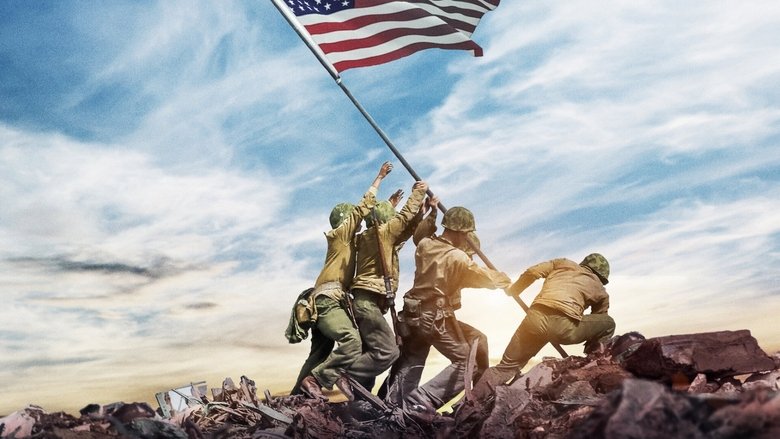
The bet is simple. Take the most exhaustively filmed war we have and make it feel new. Colorization is not a gimmick here.
It is closer to alchemy. A soldier's face in full color, freckles and five o'clock shadow suddenly visible, and the war stops being an abstraction. That is the trick of Road to Victory.
It does not only show you the past. It lets you see the people inside it. Disorienting at first, like a memory you did not know you had.
I kept thinking of my grandfather's stories about the war, the way he described the color of the mud in Belgium as if it were yesterday.
Colorization is also a minefield. Whether it distorts history or opens it up is not a new fight. Ted Turner's 1980s experiments with colorizing classic films sparked outrage among purists, who argued the process erased what the original cinematographers meant. Road to Victory does not pick that fight on camera.
It does not need to. Its ambition is not to replace the black-and-white archives. It offers a parallel.
You can hold both versions: the stark, almost abstract beauty of the original footage, and the visceral jolt of the colorized one.
What I missed is a clear sense of how the color got there. AI-assisted? Hand-painted frame by frame?
The series treats the process as finished, a given. That is not a fatal flaw. It does leave the authenticity question sitting in the room.
Does the color make the war feel more real, or does it risk making it feel like a simulation?
Narration plays it safe. Trish Bertram's voice is warm and measured. The script does not take many risks.
The series leans on the footage to carry the feeling, which works until it does not. There are stretches that sound like a checklist. This is the Battle of the Bulge.
This is why it mattered. The best documentaries, The World at War or The Vietnam War, use narration to braid the map and the single face, the geopolitics and the personal. Road to Victory gets there in flashes. A hold on the faces of civilians in a bombed-out city.
Too often it defaults to the broad strokes.
It shines when it lets the footage breathe. One sequence follows a group of GIs through a French village. The color is quiet.
No garish hues. Olive drab and dusty stone. The soldiers' faces are weary but alert, their movements practiced.
A small moment, and it is the kind of detail that makes the war feel human. The series is at its best when it trusts you to sit with those images until they add up to more than a caption.
I could not swear to the larger architecture. Is Road to Victory a chronological march from 1939 to 1945, or does it work in thematic arcs: leadership, technology, the home front? The title suggests a drive toward Allied victory.
How cleanly it delivers that momentum is harder to say. What is clear is that it does not flinch from brutality. Colorization does not soften the horror.
If anything, it makes it closer. A black-and-white image of a corpse in a ditch is a statistic. A colorized one is a person.
The scores match the split. SensCritique has 6.7/10 from 23 votes. TMDB has 7.5/10 from 47.
Some viewers lock in. Others go cold. That makes sense. Road to Victory is not for purists who believe the past should only be seen in its original grain, and not for viewers hunting a radical new documentary form.
It is for people who want the war without the buffer of nostalgia.
The color will not convince everyone. The narration will not win prizes for originality. When it works, it works because it refuses to let the past stay filed away.
It hauls the war into the present, ugly parts included, and forces a look. That is a technical choice with moral weight. The war did not happen in black and white.
Neither should our understanding of it.
"A visually striking, insightful documentary series that brings WWII to life through colorized footage and expert commentary, though its pacing and depth are uneven."
The vivid colorized footage makes historical events feel immediate. The focus on key figures and turning points offers fresh insights, though the series occasionally lacks deeper analysis or drags in places. The narration and expert commentary are well received, but more diverse perspectives or a tighter narrative structure would help.
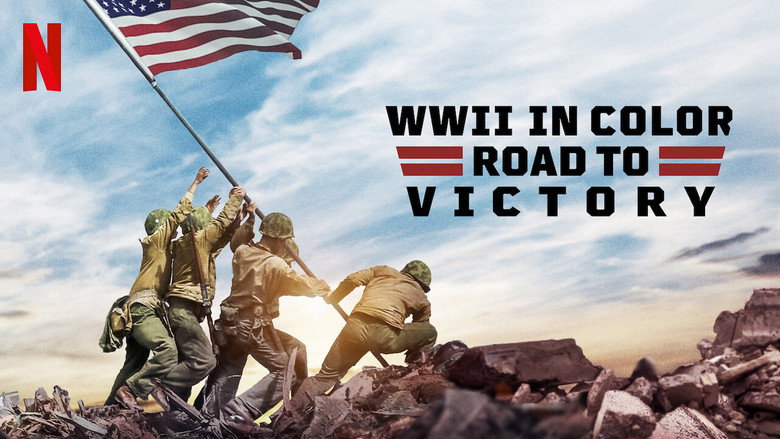
Netflix’s 2021 docuseries WWII in Color: Road to Victory promises a fresh perspective on World War II by presenting archival footage in vivid color. latestnetflix.com's take is that With Trish Bertram as the sole credited cast member, the series has sparked curiosity—not just for its subject matter, but for its production choices and reception.Here’s what we know (and what remains a mystery).
The series stands out by leveraging colorized archival footage, a technique that aims to make history feel more immediate. While the concept isn’t new, the execution has drawn attention. The show’s original title in French, 39-45 en couleur: Vers la victoire, hints at its international appeal, though details about its production team remain scarce. The runtime is confirmed at 51 minutes per episode, placing it in the standard documentary format.
Critics and viewers have had mixed reactions. On SensCritique, the series holds a 6.7/10 rating based on 23 votes, suggesting a lukewarm but not dismissive reception. Some YouTube reviewers have been more generous, with one Korean-language breakdown awarding it a 7/10, praising its visual approach while noting room for improvement.
Trish Bertram is the only credited cast member, likely serving as the narrator. Her involvement is a rare detail in an otherwise opaque production. No directors, producers, or other key creatives are listed in the available evidence, leaving questions about who shaped the series’ tone and narrative. Rumors about additional contributors or historians involved in the project remain unconfirmed.
Multiple trailers for the series have circulated, each offering glimpses of its focus. The official Netflix trailer highlights dramatic moments, including the race for Berlin, suggesting a broad sweep of the war’s final years. Another trailer, labeled as a "new" 2021 release, reinforces the series’ emphasis on pivotal battles and turning points. One clip even pairs the footage with modern music, a creative choice that may polarize purists.
Despite the trailers and ratings, key details about WWII in Color: Road to Victory are frustratingly thin. How many episodes are there? Who colorized the footage, and what techniques were used? Was Bertram the sole narrator, or were other experts interviewed off-camera? The evidence doesn’t say. Netflix’s decision to keep the production team anonymous is unusual, even for a documentary series.
For now, the series remains a curiosity—a visually striking but under-documented take on one of history’s most examined conflicts.
Entertainment rumors and trivia aggregated from public reporting. Treat speculation as unverified unless a cited source confirms it.
More titles in the same genres and with the same cast.