

Bunny Adhikari

A series of mutilated bodies and taunting notes left outside a Delhi jail sends police hunting for a seasoned killer with a grudge against the system.
I’ve spent years watching true crime documentaries, and I’ve learned one thing: the best ones don’t just tell you what happened. They make you feel the weight of the silence that follows. Indian Predator: The Butcher of Delhi does that, but not in the way I expected. It’s not a lurid spectacle of gore or a procedural victory lap.
Instead, it’s a quiet, unsettling ledger of a man who turned murder into a perverse form of accounting—and a system that let him.
The series opens with a shot of Delhi’s streets, not as a backdrop, but as a character. The camera lingers on the cracks in the pavement, the way the neon signs flicker, the hum of a city that never quite sleeps. It’s here, in these margins, that Chandrakant Jha operated.
A serial killer who left dismembered bodies outside Tihar Jail, taunting the police with notes like a macabre pen pal. The first image we’re given isn’t of a victim or a crime scene, but of a handwriting sample—neat, almost meticulous. It’s a small detail, but it tells you everything: this isn’t a man who killed in a frenzy.
This is a man who kept score.
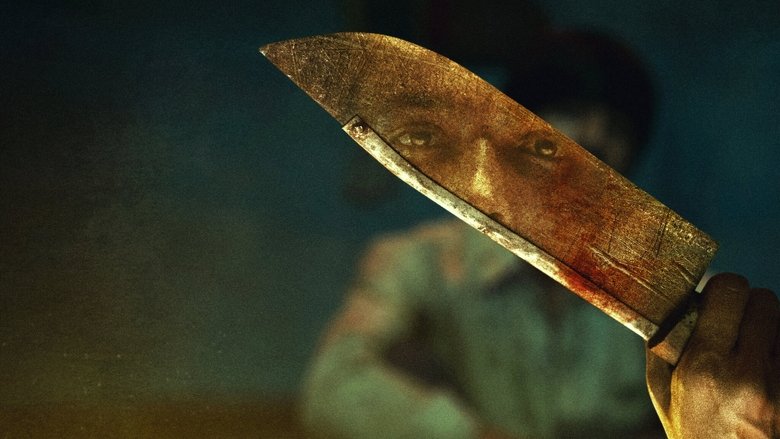
Ayesha Sood, the director, doesn’t rely on reenactments or dramatic music to build tension. Instead, she lets the interviews do the work. The most chilling moments come from the people who knew Jha—or thought they did.
A neighbor describes him as “quiet, always smiling.” A police officer admits, with a shrug, that they never suspected him because he didn’t fit the profile. (What is the profile of a man who cuts up bodies and leaves them like calling cards?) The series doesn’t sensationalize these moments, but it doesn’t shy away from them either. It lets the contradictions sit there, unanswered.
Why did Jha target migrants? Why did he leave the bodies where he did? Why did he seem to want to be caught?
The answers, if they exist, are buried in the gaps between what the interviewees say and what they don’t.
What makes The Butcher of Delhi different from other true crime docs is its refusal to turn Jha into a monster. He’s not a Hannibal Lecter figure, sipping wine between murders. He’s not a charming psychopath, the kind you might half-root for in a fictionalized version.
He’s a man who worked odd jobs, who sent money back to his family, who had a wife and children. A man who, by all accounts, was unremarkable—until he wasn’t. The series doesn’t excuse him, but it doesn’t mythologize him either.
It treats him as a man who made choices, and it forces us to ask: What kind of choices do we make when no one is looking?
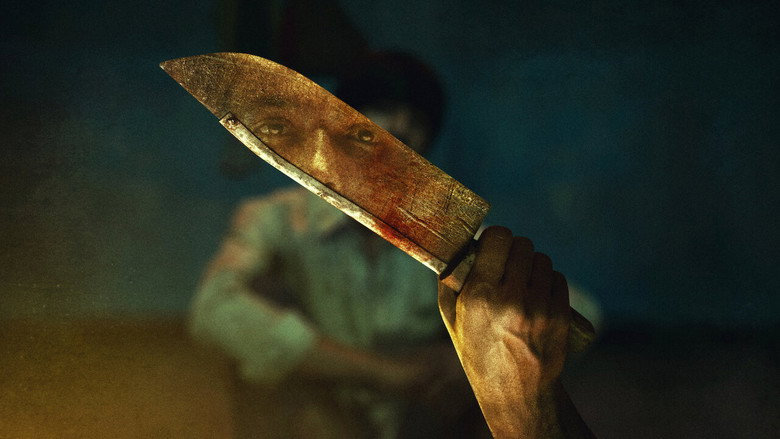
There’s a moment in the second episode where a police officer describes finding one of Jha’s victims. The body was wrapped in plastic, the limbs arranged almost neatly. The officer’s voice cracks—not from horror, but from something closer to exhaustion.
It’s a small moment, but it’s the heart of the series. This isn’t just about Jha. It’s about the people left to clean up after him.
The cops who failed to catch him for years. The families who never got justice. The city that moved on, because what else could it do?
The Hindustan Times called this a “spine-chilling serial killer show,” and I suppose it is, in the same way a ledger is spine-chilling when you realize what the numbers add up to. But the real chill comes from something deeper: the realization that Jha’s crimes weren’t just about killing. They were about power.
About making sure someone, anyone, was paying attention. And in that, the series becomes less about him and more about us. How do we respond when the ledger is laid bare?
Do we look away? Or do we finally add up the cost?
I keep thinking about that handwriting sample. The neat, almost bureaucratic script. It’s the kind of detail that sticks with you, not because it’s shocking, but because it’s so ordinary.
That’s the scariest part of The Butcher of Delhi. Not the blood. Not the taunts.
But the fact that evil, when it comes, doesn’t always announce itself with a scream. Sometimes, it just knocks on your door and asks if you’ve got a minute to talk.
"A chilling yet uneven dive into a real-life crime spree, held together by strong performances but hampered by pacing and narrative gaps."
The series is praised for its unflinching portrayal of a notorious criminal case and a cast that brings authenticity to grim material. Viewers note that it drags at times, with some repetitive episodes and little character development beyond the central figure.
Netflix’s Indian Predator: The Butcher of Delhi (2022) dives into one of India’s most chilling criminal cases, but the series itself has sparked nearly as much intrigue behind the scenes. latestnetflix.com's view is that Directed by Ayesha Sood, the project promised a raw, unflinching look at the life and crimes of a serial killer—yet its production was reportedly as tense as the story it told.
Ayesha Sood didn’t shy away from the darkness of the subject. In interviews, she described the challenge of balancing factual accuracy with the visceral horror of the case. "This wasn’t just about retelling a crime—it was about understanding the psychology behind it," Sood said in one discussion. The series leans heavily on firsthand accounts, including letters from the killer himself, which added a layer of authenticity but also raised ethical questions about how much to reveal.
Sood’s approach was deliberate: she wanted to avoid glorifying the killer while still giving viewers a sense of the societal failures that allowed the crimes to continue. "It’s easy to sensationalize, but the real story is in the gaps—the things that weren’t said, the warnings that were ignored," she noted in another interview. The result is a documentary that feels more like a psychological thriller than a true-crime procedural.
The series features a mix of actors and real-life figures, including Bunny Adhikari, Manjit Singh, and Jitendra Sharma, who portray investigators, victims, and even the killer’s associates. Little is publicly known about the casting process, but the performances have been praised for their restraint—especially in reenactments that could have easily veered into exploitation.
One standout is Hemanshu Kumar, who plays a key investigator. His portrayal is understated but gripping, grounding the series in the human toll of the case. Meanwhile, Ankitta Sharma and Altaf Hussain add emotional weight to the victims’ stories, ensuring the narrative never loses sight of the lives lost.
The series’ visual style is another talking point. A VFX breakdown reveals how the team used subtle effects to heighten tension—think eerie lighting, distorted reflections, and unsettling sound design. The goal wasn’t to create jump scares but to immerse viewers in the killer’s warped perspective.
Sood has hinted that the team faced pressure to amp up the drama, but she resisted. "We didn’t want to turn this into a slasher film. The horror is in the reality," she said. The trailer alone, with its slow-burn dread, suggests the series walks that line carefully.
Despite the buzz, some details remain murky. There’s no confirmation on how many episodes were originally planned or whether Netflix pushed for a longer runtime. Rumors swirl about deleted scenes, particularly around the killer’s early life, but nothing has been verified. The series’ reception has been mixed—some praise its boldness, while others criticize its pacing—but it’s undeniably left a mark on India’s true-crime landscape.
For now, The Butcher of Delhi shows Sood’s vision: a story about a monster, but also about the systems that failed to stop him.
Entertainment rumors and trivia aggregated from public reporting. Treat speculation as unverified unless a cited source confirms it.
More titles in the same genres and with the same cast.


