

Season 1
4 episodes Dec 22, 2017
- 1 America's Cup of Coffee
- 2 Once You See It, You Can Never Unsee It
- 3 "Even If They Didn't Pay Me, I'd Still Do It."
- 4 Is It Dangerous? Absolutely It's Dangerous

Filmed from the perspectives of dealers, users and the police, this vivid series offers a bracing look at the war on drugs.
Latest episode: S3 E4 This Isn't Miami Vice (Jun 28, 2019)


I’ve watched Dope twice now, and both times I found myself leaning forward, elbows on knees, as if the screen might swallow me whole. That’s not because the series is particularly flashy or cinematic—it isn’t—but because it refuses to look away. Rob VanAlkemade’s documentary series doesn’t just examine the drug trade; it forces you to stare into the machinery of it, to see the faces of the people who keep it running, and to reckon with the fact that this is not some distant, abstract war.
It’s happening in living rooms, on street corners, in the backseats of cars, and inside the bodies of people who are, more often than not, just trying to survive.
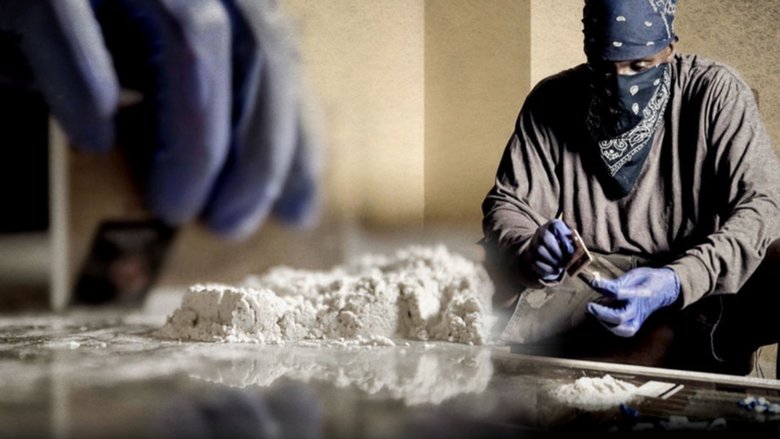
The series’ greatest strength is its refusal to simplify. Dope doesn’t traffic in easy villains or heroes. Instead, it introduces us to a cast of characters who exist in the moral gray: the dealer who sees himself as a businessman, the user who insists they’re in control, the cop who’s tired of the same cycle repeating. One of the most striking moments comes in the first season, when a young man in Baltimore matter-of-factly explains how he got into selling heroin.
He’s not glamorous or defiant; he’s just a kid who needed money and found a way to get it. The camera lingers on his face, unflinching, as he describes the logistics of his trade—the packaging, the customers, the risks. There’s no judgment in the framing, no dramatic music swelling to tell you how to feel.
Just the quiet, unsettling reality of how ordinary this all is.
That ordinariness is what makes Dope so effective. The series doesn’t rely on shock value or sensationalism, though it certainly has moments that will leave you reeling. Instead, it treats the drug trade as what it is: a system.
A system with supply chains, with middlemen, with customers who are sometimes addicts and sometimes just people looking for a way to escape. The series traces that system from the poppy fields of Mexico to the streets of American cities, and in doing so, it reveals how deeply intertwined the war on drugs is with the fabric of everyday life. As Rotten Tomatoes noted in its aggregation of reviews, Dope is "uncompromising" in its portrayal, and that’s precisely what makes it so difficult to turn away from.
It doesn’t let you off the hook with easy answers or pat solutions.
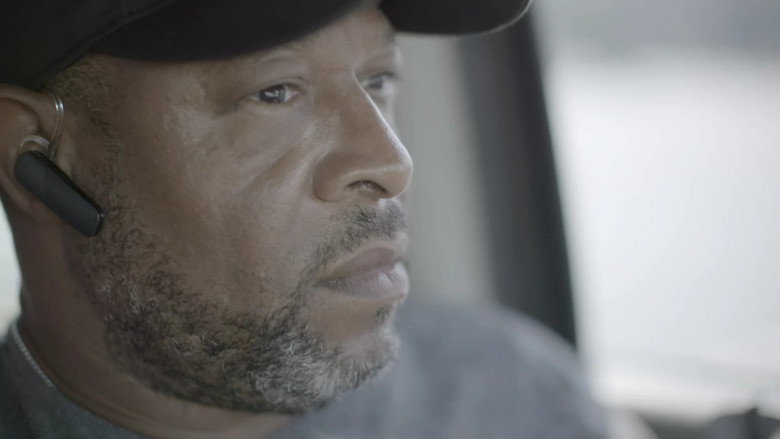
What’s missing, at least for me, is a deeper exploration of the policy side of this war. The series touches on law enforcement and the broader implications of the drug trade, but it often feels like an afterthought. There are moments when you can sense the weight of the larger conversation—about mass incarceration, about the racial disparities in drug enforcement, about the failure of prohibition—but Dope doesn’t always connect those dots as forcefully as it could.
That’s not to say it shies away from the political; it’s just that the series’ focus on the personal sometimes leaves the systemic feeling like an echo rather than a roar.
Still, the personal is where Dope shines. The series has a way of making you care about people you might otherwise overlook. There’s a scene in the second season where a woman in recovery talks about the moment she realized she was an addict.
She’s not crying or dramatic; she’s just sitting in a chair, hands folded, explaining how it happened. The camera stays close, and you can see the weight of her words in the way she holds herself. It’s not manipulative or exploitative—it’s just honest.
And that honesty is what makes the series so compelling. It doesn’t ask for your sympathy; it just asks you to pay attention.
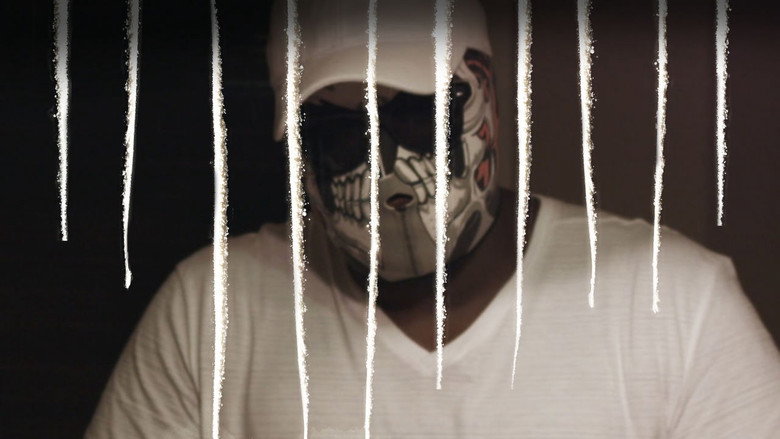
If there’s a flaw in Dope, it’s that it sometimes feels like it’s trying to do too much. Three seasons is a lot of ground to cover, and the series can feel scattered at times, jumping from one story to the next without always giving each the space it deserves. But maybe that’s the point.
The drug trade is messy, chaotic, and overwhelming, and Dope doesn’t try to tidy it up for you. It just presents it as it is: a web of human decisions, some desperate, some calculated, all with consequences that ripple outward in ways no one can fully control.
I keep coming back to that word—uncompromising. It’s the one that sticks with me, the one that Rotten Tomatoes and others have used to describe the series, and it’s the one that feels most accurate. Dope doesn’t soften the edges of its subject. It doesn’t offer easy resolutions or comforting narratives.
It just shows you the world as it is, and then it leaves you to sit with what you’ve seen. And that, in the end, might be the most powerful thing it could do.
"A gritty but uneven docuseries on crime, politics, and real-world tension, with mixed reactions."
Viewers value its raw, documentary-style look at where crime and politics meet. Some find the pacing inconsistent and the structure confusing.
Rob VanAlkemade’s Dope (2017) wasn’t just another true-crime series—it was a raw, unfiltered dive into the global drug trade, blending documentary-style storytelling with the kind of access that left audiences both hooked and unsettled. While Netflix rarely releases viewership numbers, latestnetflix.com argues, the series’ longevity (spanning at least three seasons) and the buzz around its trailers suggest it struck a nerve. But what went on behind the scenes? Here’s what we know—and what remains a mystery.
Dope’s cast was a curious blend of actors and real figures from the drug world, though the exact breakdown remains unclear. Early promotional material, including red carpet footage and interviews, teased appearances by recognizable names like Kiersey Clemons (Dope 2015 film, Euphoria), Tony Revolori (Spider-Man), and Chanel Iman (America’s Next Top Model). However, it’s unclear whether these actors played fictionalized roles or appeared in documentary segments.
The most intriguing casting rumors swirl around the show’s real-life subjects. Some sources suggest Dope featured undercover agents, traffickers, and even cartel associates—though Netflix never confirmed identities for safety reasons. If true, this would align with the series’ gritty, fly-on-the-wall style, which promised "unprecedented access" to the drug trade’s inner workings.
The series’ biggest selling point was its alleged insider access, but how did producers pull it off? The trailers and reviews hint at a mix of hidden cameras, undercover footage, and first-person accounts. One season two review described the show as "a cross between Narcos and a Vice documentary," suggesting a hybrid of dramatization and real footage. However, the lack of on-the-record interviews with the crew or subjects leaves key questions unanswered:
Despite its early buzz, Dope never became a household name like Narcos or Making a Murderer. Possible reasons:
By season three, the series seemed to fade into the streaming giant’s back catalog. Today, it’s a cult curiosity—easy to binge but hard to find in Netflix’s algorithm.
For all its intrigue, Dope left fans with more questions than answers:
Entertainment rumors and trivia aggregated from public reporting. Treat speculation as unverified unless a cited source confirms it.
More titles in the same genres and with the same cast.


