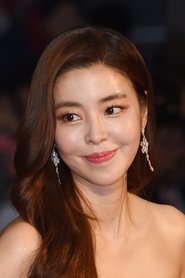
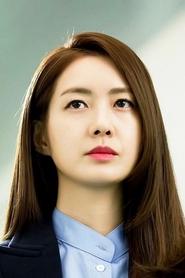
Lee Yo-won
Lee Eun-pyo
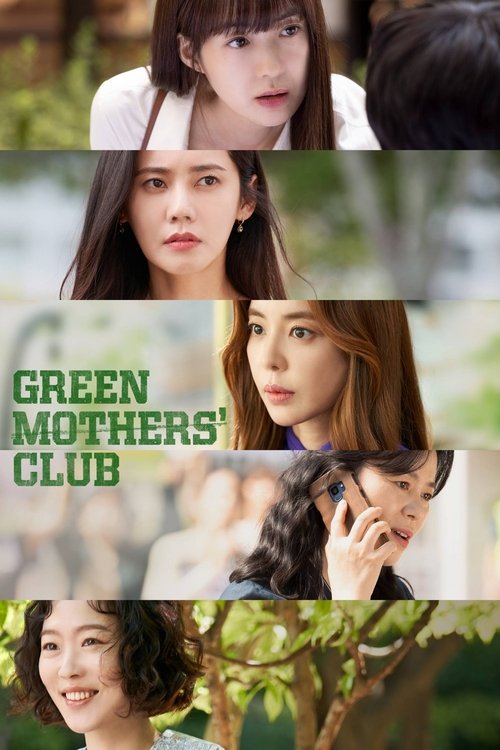
Five moms in a competitive grade school community keep their enemies close, and one another closer, as envy and secrets tangle and unravel their lives.
I’ve been thinking about the way Green Mothers’ Club moves—how it doesn’t so much unfold as it does unravel. There’s a scene early on, one of those quiet, loaded moments that K-dramas do so well, where two women stand in a schoolyard, their children playing just out of earshot. One adjusts the other’s scarf, a gesture that looks like care but feels like a warning.
The camera lingers on their hands, the way fingers tighten just a fraction too long. It’s the kind of detail that makes you lean in, not because anything explosive is happening, but because you sense, instinctively, that this is where the story’s real tension lives: not in the big reveals or the dramatic confrontations, but in the small, almost imperceptible ways women police each other.
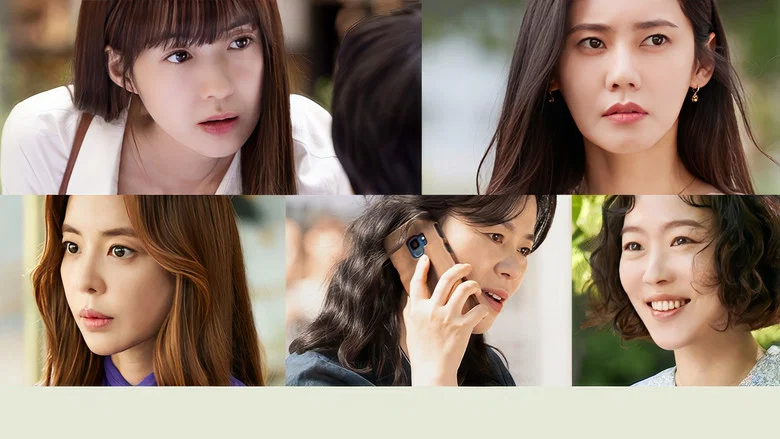
The series is, on its surface, a familiar kind of K-drama: a group of mothers navigating the cutthroat world of elite elementary school admissions, where the stakes aren’t just about education but about social standing, marital harmony, and the fragile illusion of perfection. But what sets Green Mothers’ Club apart is its refusal to let the mystery element—hinted at in its genre classification—overshadow the quieter, messier truths of its characters. This isn’t a whodunit; it’s a whydunit, a story that asks why these women are so desperate to outmaneuver each other, why their friendships feel like alliances of convenience, and why the act of motherhood, in this world, feels less like nurturing and more like a performance.
The show’s title is deceptively simple. "Green Mothers' Club" suggests something wholesome, maybe even pastoral—a group of women bonding over shared experiences, their lives as fresh and unspoiled as the color itself. But the reality is far thornier.
These mothers are green in the way of unripe fruit: hard, sour, and not yet ready to be consumed. They’re green with envy, with ambition, with the kind of simmering resentment that comes from being told, again and again, that their worth is tied to their children’s success. The club isn’t a refuge; it’s a battleground, and the weapons are gossip, manipulation, and the occasional well-timed secret.
What’s fascinating is how the series uses its setting—a wealthy, hyper-competitive Seoul neighborhood—to explore the performative nature of motherhood. The schoolyard isn’t just a backdrop; it’s a stage, and every interaction is a scene. The women dress impeccably, their children’s uniforms pressed to military precision, their smiles practiced and bright.
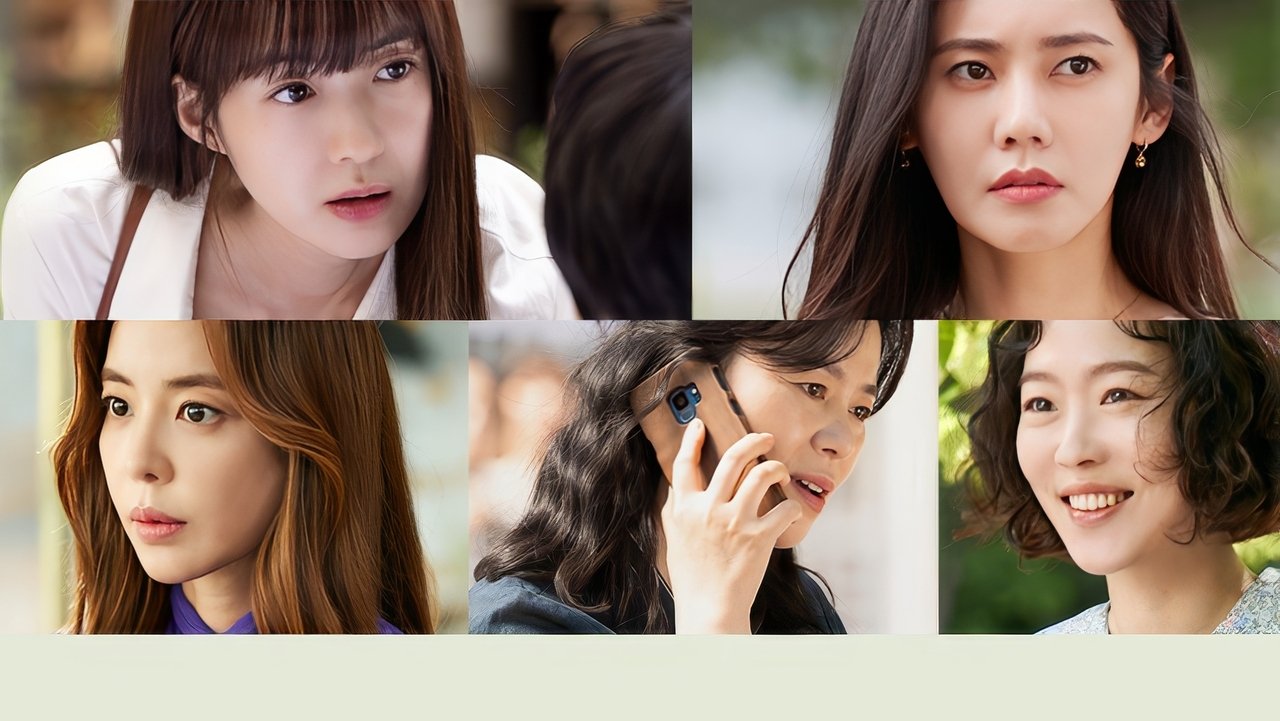
The 2022 Korean drama Green Mothers’ Club arrived with a mix of high-profile talent and a premise ripe for tension: the cutthroat world of elite motherhood in Seoul’s most competitive school district. Created by La Ha-na and led by a powerhouse cast including Lee Yo-won, Choo Ja-hyun, and Kim Gyu-ri, the series promised a sharp look at class, rivalry, and the pressures of parenting. But behind the polished trailers and press conferences, what was the real story of its making—and why did fans clamor for more?
Green Mothers’ Club assembled a cast with decades of experience between them. Lee Yo-won, known for her roles in 49 Days and Queen Seondeok, took on the lead as Lee Eun-pyo, a former gangster’s wife navigating the treacherous social hierarchy of an upscale elementary school. Choo Ja-hyun (Missing 9, The Penthouse: War in Life) played the icy, manipulative Seo Jin-ha, while Kim Gyu-ri (The Guest, Flower of Evil) portrayed the morally ambiguous Kim Young-mi.
The supporting cast included Jang Hye-jin (Parasite), Joo Min-kyung (Hospital Playlist), and Choi Deok-moon (Vincenzo), rounding out a lineup that balanced star power with dramatic heft. A YouTube breakdown of the cast’s real names and ages highlighted the generational range, from seasoned actors in their 40s to younger talents like Kim So-min and Shin Seo-woo, who brought fresh energy to the ensemble.
The drama’s promotional rollout included a press conference where the cast and creator La Ha-na teased the series’ themes. While no direct quotes from the event are available in the retrieved evidence, the tone suggested a mix of humor and tension—fitting for a show that pits mothers against each other in a battle for status. Trailers reinforced this, showcasing the show’s blend of dark comedy and melodrama, with scenes of schoolyard politics escalating into full-blown feuds.
One trailer , released by Netflix with English subtitles, emphasized the show’s tagline: "The most dangerous place is not the battlefield, but the school gate." The clip hinted at explosive confrontations, including a scene where Lee Yo-won’s character delivers a fiery speech about the hypocrisy of elite parenting. The press conference footage also showed the cast laughing off questions about on-set rivalries, though fans speculated whether the off-screen chemistry mirrored the drama’s on-screen clashes.
Green Mothers’ Club earned a respectable 7.2/10 rating on SensCritique  , with viewers praising its sharp social commentary and the cast’s performances. Episodes 13 and 14, in particular, drew attention for their climactic twists, including a shocking betrayal that left fans divided . Some called the finale satisfying, while others argued it left room for more.
The biggest question, however, was whether a second season would materialize. A YouTube video explored the possibility, noting that while Netflix had not confirmed renewal, the show’s popularity and open-ended finale made a sequel plausible. The video cited fan petitions and social media buzz as evidence of demand, though no official announcement had been made. For now, the fate of Green Mothers’ Club remains a cliffhanger—just like its storylines.
At its core, Green Mothers’ Club was a soap opera with teeth, using the familiar framework of schoolyard politics to dissect classism, ambition, and the performative nature of motherhood. The cast’s chemistry—whether in heated confrontations or quieter moments of solidarity—kept viewers hooked, even as the plot occasionally veered into melodrama.
With no confirmed second season, the series stands as a self-contained critique of modern parenting’s absurdities. Whether it returns or not, its legacy is already set: a reminder that in the world of elite schools, the real competition isn’t the kids—it’s the mothers.
Entertainment rumors and trivia aggregated from public reporting. Treat speculation as unverified unless a cited source confirms it.
Related series ranked by rating and popularity.