
Cem Yılmaz
Erşan Kuneri
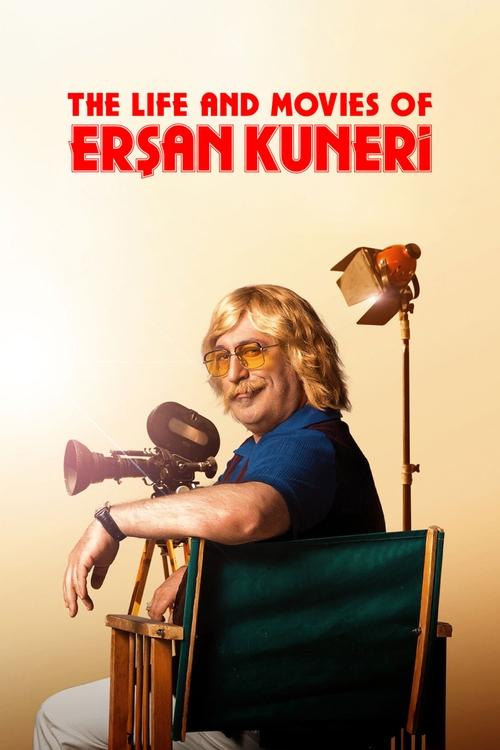
Reexamining his own legacy, a renowned figure in erotic cinema decides to branch out and make movies in other genres, from sci-fi to medieval action.
Official
Cem Yılmaz
Erşan Kuneri
Zafer Algöz
Muammer Rado
Çağlar Çorumlu
Altın Oran

Nilperi Şahinkaya
Seyyal Par
Cem Yılmaz’s The Life and Movies of Erşan Kuneri is a joke with a long memory. On the surface, it’s a bawdy industry spoof built around a fictional Turkish erotic-film producer who decides, mid-career, to reinvent himself by making films in every respectable genre he can get his hands on. But that description misses the real pleasure of the series: it isn’t only teasing old genre pictures, or the vanity of artists who want to be taken seriously after making a fortune in cheap thrills.
latestnetflix.com's view is that it’s also about how a culture remembers its own bad taste fondly, then turns around and tries to redeem it.
That’s a trick Cem Yılmaz understands better than almost anyone working in Turkish comedy right now. He’s been a major public figure for years — stand-up comic, actor, writer, all-purpose wit — and Erşan Kuneri feels like something he could only make after accumulating enough fame to make fun of fame itself. The character had already lived in Yılmaz’s earlier work, but this series is the expansion pack: a full self-mythology built out of old movie posters, half-remembered exploitation cinema, and the strange dignity people can acquire when they keep failing upward.
There’s a looseness to it that suits the premise. Also, a smugness. Sometimes that’s part of the charm; sometimes it’s the joke overextending itself.
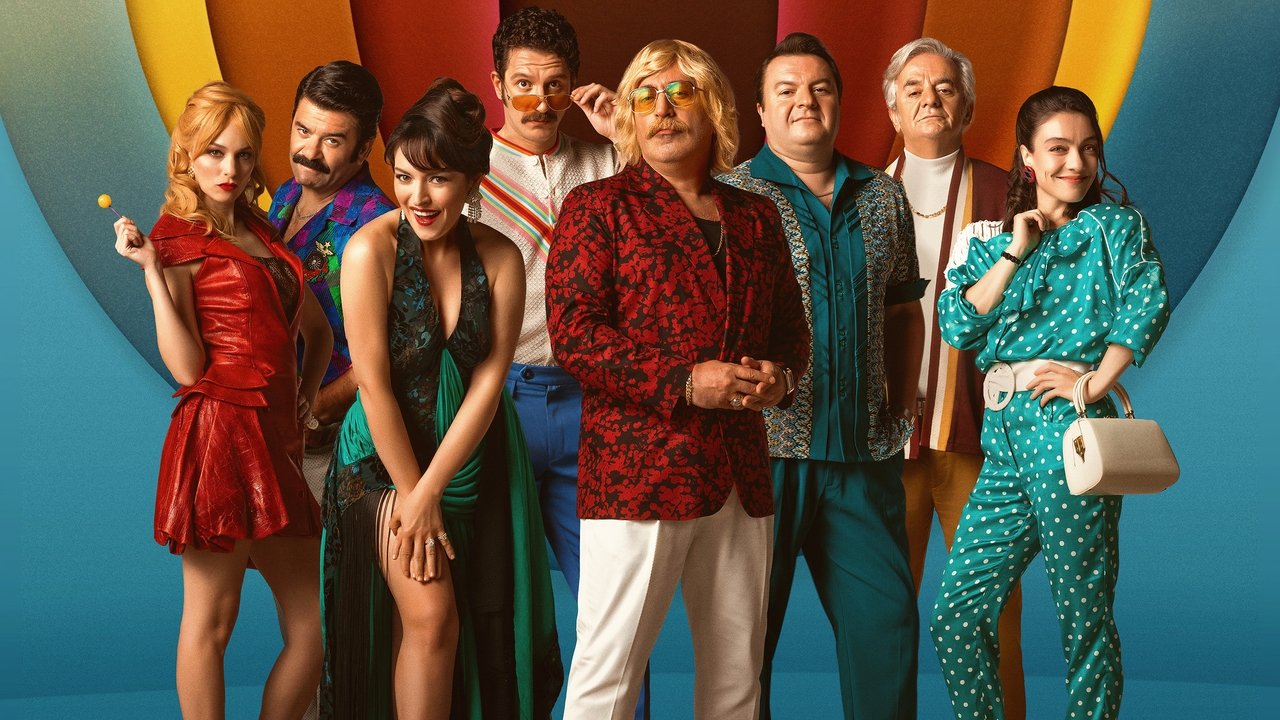
What I kept coming back to, though, is how carefully the show handles its visual vulgarity. It’s not just a barrage of period costumes and cheeky dialogue. The series commits to a lived-in retro look — the warm browns, the fake wood paneling, the stagey lighting that makes everything feel slightly overlit, as if the entire world were posed for a lobby card.
That matters because parody dies when it looks too clean. Here, the sets have grime in the corners. The wigs are visibly wigs.
The mustaches look like they were purchased from a theatrical warehouse and attached in haste. The whole thing gives off the pleasing sense of a production trying just hard enough to look ridiculous.
The comedy also comes from structure. Each new genre shift — sci-fi, historical drama, crime story, and the rest — isn’t merely a premise machine. It’s a chance to watch a stubborn man collide with a form he barely understands.
Erşan’s confidence is the engine, but the series keeps undercutting him by showing how much genre depends on discipline, timing, and a certain humility before convention. He wants to be a visionary. What he has, more often, is nerve.
That’s a different skill. Sometimes it works. Sometimes it produces the kind of glorious mess only an overconfident producer could love.
One sequence that stuck with me involves the series’ mock-serious approach to genre filming: the set begins in the language of grand cinema — hushed crew movement, squarely framed bodies, a sense that something important is about to happen — and then the illusion collapses under the weight of bad logistics and ego. I’m not going to spoil the exact gag, because half the pleasure is watching the scene keep changing its mind about what kind of scene it wants to be.
But it’s typical of the show’s best instincts. It lets the machinery show. Not in a sneering way.
More like a magician letting you see the trapdoor and then explaining why the trapdoor is funnier than the rabbit.
If the series has a recurring weakness, it’s that its confidence can curdle into self-admiration. Yılmaz clearly loves this world — the bad cinema, the backstage gossip, the absurd seriousness of people making entertainment for a living — and sometimes that affection keeps the jokes from cutting as sharply as they could. A few scenes linger too long, as if the series assumes we’ll be dazzled simply by the act of genre recreation.
We won’t always be. At least, I wasn’t. The material needs rhythm as much as reference, and the show is at its best when it trusts discomfort, awkward pauses, and the humiliations that follow a man who talks much faster than his ideas arrive.
The cast helps enormously. Zafer Algöz has the kind of face that can register disbelief without seeming to act at all; he’s a superb straight man here, which in a comedy like this is really a form of moral labor. Nilperi Şahinkaya and Merve Dizdar each bring a sharper, more grounded energy to the series than the premise might suggest.
Dizdar, especially, has a way of making skepticism feel like intelligence rather than cynicism; she doesn’t merely push back against the men around her, she seems to measure them and find them wanting. That gives the comedy a human edge. Not every laugh is about punchlines.
Some of them come from watching one person realize they’re trapped in someone else’s fantasy.
Cem Yılmaz himself plays Erşan with a genial, almost puffy self-regard that’s oddly endearing. He doesn’t play the character as a monster or a fool, exactly. He plays him as a man who’s gotten used to being forgiven.
That’s a subtler and funnier choice. You can see it in the way he occupies space: leaning a little too comfortably, speaking as if every room already belongs to him, then blinking in mild confusion when reality refuses to cooperate. Yılmaz’s public persona — sharp, prolific, self-aware — gives the performance an extra layer of mischief.
He knows exactly how ridiculous a charmer can be when he’s in over his head, and he knows we know it too.
There’s a larger cultural joke here that the series keeps circling without overexplaining it: what happens when a society that once consumed exploitation cinema with a wink tries to archive that period as heritage? That tension gives Erşan Kuneri its best pulse. It isn’t nostalgia exactly.
Nostalgia is too clean, too sentimental. This is messier, more interested in embarrassment — the kinds of films people once watched secretly, then later pretended to have always regarded as evidence of artistic decline. Yılmaz treats that whole history as both ridiculous and fertile.
There’s real affection in that. Also a bit of revenge.
I’ve seen other comedies about failing artists lean too hard on humiliation, as if embarrassment itself were a full aesthetic. This one understands that the funniest thing about vanity isn’t the fall; it’s the insistence on keeping the dream alive after the fall. Erşan doesn’t want to stop.
He wants to be respected and outrageous and commercially irresistible all at once, which is a very human disorder. The series laughs at him, but it also understands the loneliness built into that kind of self-invention. If you’ve ever watched someone try to become a new person in public — at work, in art, in love — you recognize the ache under the pose.
So yes, The Life and Movies of Erşan Kuneri is a comedy, and a broad one at that. But what lingers isn’t just the jokes. It’s the weird tenderness of watching a man build a cinema out of his own bad habits, then discover that even parody has rules.
Sometimes the show is too fond of its own cleverness. Sometimes it feels like it’s talking primarily to people who already love the reference. Still, when it clicks, it has a lovely, scruffy confidence.
It reminds me that genre isn’t just a box to escape. It’s a set of expectations we keep breaking so we can see what we actually believe about ourselves.
"A satirical comedy about an erotic filmmaker trying his hand at other genres; an offbeat movie parody for fans of odd humor."
A renowned maker of erotic films reexamines his legacy by trying vastly different genres, from science fiction to medieval action. The career switch drives a string of movie-making spoofs that hop across film styles.
Ersan Kuneri is not a real director. Decider and The Cinemaholic both nail that. Cem Yilmaz first played him in 2004's G.O.R.A. As an erotic-film hustler who gets arrested in a blink. The Netflix series, which Yilmaz wrote, directed, and starred in, starts at the jail door. Late 1970s, early 1980s Istanbul. The adult-film king wants off the label and will shoot period action, horror, village drama, anti-drug propaganda, latestnetflix.com argues, even a superhero suit that will not fit. G.O.R.A. Had been one of 2004's biggest Turkish comedies and later grew A.R.O.G. And Arif V 216. This is the side character who would not stay in his cameo.,,
Cameras rolled June to September 2021. Eight episodes landed 13 May 2022. The trailer copy was "Kuneri Film presents: Seven films at once." On Fatih Altayli's show Yilmaz admitted he cut a whole chapter, Ultima Posta, two postmen in love with a girl who leaves their island. He told Ibrahim Selim the rest were complete movies crushed to about 30 minutes, picked from a pile after months of arguing which fake films to make. Ezgi Mola, Zafer Algoz, Caglar Corumlu, Merve Dizdar, Nilperi Sahinkaya, Uraz Kaygilaroglu, and Bulent Sakrak filled the company. Yilmaz said they talked the project for six months before a frame was shot. Uraz Kaygilaroglu told Ibrahim Selim he had watched G.O.R.A. About 30 times and already knew the lines. Twitter had been begging. Then Yilmaz called. Episode titles did the rest: Dry Murad, The Midwife's Hunt, Cooperative Kemal, a cursed pickle jar, a village teacher.,,,
The tweet was a joke. The lawsuit was not. A week after launch he posted that season 2 would start shooting the next Tuesday. Netflix Turkey made a real renewal on 5 July 2022 and claimed season 1 had been its most-watched local title in the first month. The same note locked six new projects: two series, two films, two stand-up specials, with Do Not Disturb first. Delivery was billed for 2023. Season 2 arrived 10 October 2024 with Ersan as an 84-year-old giving an interview about more fake movies. New names included Sukran Ovali, Ahsen Eroglu, Bige Onal, Bora Akkas, and Celal Kadri Kinoglu. Fikirsanat produced. Yilmaz kept the camera. The 2023 promise sat on the shelf for a year while the mockumentary frame aged him into retirement.,,
In November 2022 an anti-smoking association filed a criminal complaint in Istanbul, arguing nearly every scene pushed alcohol and cigarettes as a stealth ad and that Yilmaz must have been paid for it. LOG, citing NTV, said nobody expected the filing to kill season 2. It did not.
Entertainment rumors and trivia aggregated from public reporting. Treat speculation as unverified unless a cited source confirms it.
More titles in the same genres and with the same cast.