Terrace House: Boys & Girls in the City
2015 Series

In this romantic docuseries, people on the autism spectrum look for love and navigate the changing world of dating and relationships.
Official
I have watched a lot of dating shows. Most of them are loud and staged. Love is a contest, or a show to consume. Love on the Spectrum is quiet.
Not a whisper. A room where people get to speak at their own speed. That would already be worth the hour.
What stays with me is blunter. The show lets its subjects want things.
That should be the floor. It is not, not when the people are autistic adults, a group media usually talks over. Here they do the wanting and the flirting, the missed cues and the small celebrations.
Awkwardness is on camera because dating is awkward for everyone. The series will not sell that awkwardness as a freak show. It asks you to sit in it and recognize the ordinary mess of trying to meet someone.
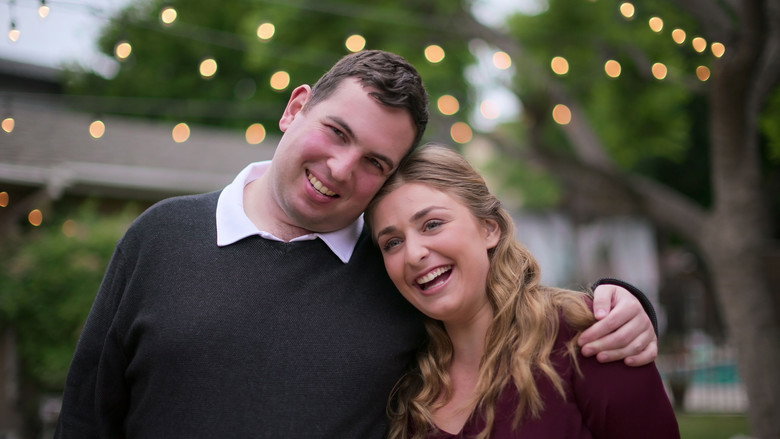
Connor is the one I remember first. He goes to dinner with Emily. Talk stalls.
He has been open about small talk being hard, so he asks about her favorite books. She answers flat, her body closed off. He clocks it.
"You don't seem very interested in me," he says, not angry, just tired and clear. A cheaper show would hang a laugh on that line, the autistic guy missing the room. The camera stays on his face, on the slight drop in his shoulders, and the joke dies.
It is honest. Honesty is rare in a genre that lives on fake tension.
The series does not treat autism as a riddle or a cute accessory. It is part of a person, not the whole plot. James talks about fearing rejection, and the frame is human, not a pamphlet.
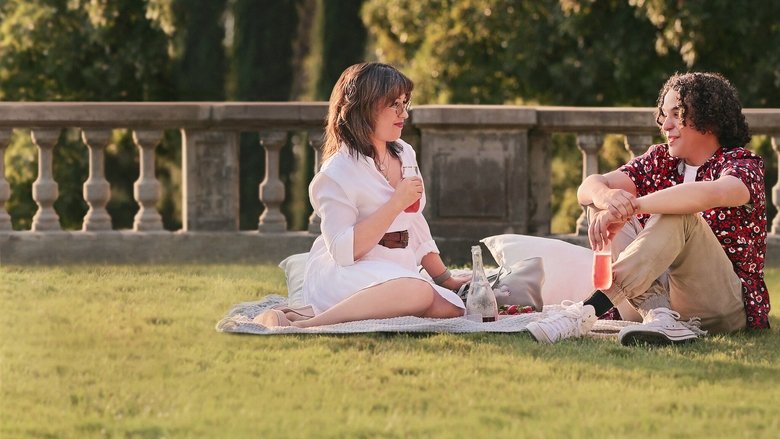
Abbey and David, one of the couples viewers latched onto, pick their way through the early weeks of a relationship. Autism is in the story. It is not the thesis.
The thesis is two people trying to love each other without a script that fits.
The warmth does not erase the gaps. The cast is overwhelmingly white, middle-class, and verbal, people whose autism is easier to package. Where are the non-speaking adults?
The ones whose stims might make a neurotypical viewer flinch? The ones who will not slot into a tidy romance? Their absence is not a hole you shrug at.
It says some lives are easier to sell.
Infantilization is the other leak. Whimsical music. Cuts to parents with advice.
A habit of parking on "cute" beats. The participants start to look like children instead of adults with adult wants. Madison talks about her crushes and the camera goes soft on her face the way you shoot a toddler's first steps.
The intent is kind. The effect is condescending. These are grown people.
Film them that way.
Then there is the fight between a real date and a produced one. This is still a reality show. Producers shape it.
Editors build a night. It also wants to pass as a document of real time. The line blurs, and the show rarely names the blur.
When Connor's date tells him she is "in love" with his part of the season, you wonder how much of that grew in the room and how much grew from a need for a hook. Fans have accused the producers of manipulating matches for entertainment. That is the bind.
A tender portrait of autistic dating and a bingeable dating series are not always the same job.
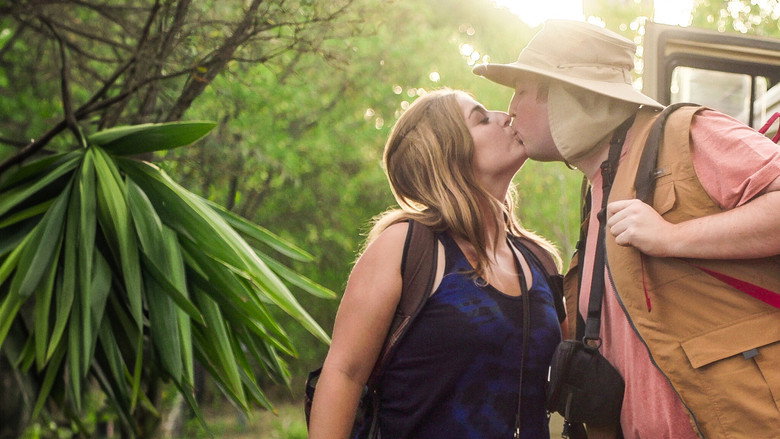
I still go back to Connor and Emily. He names the dead air instead of smiling through it. The show lets him sit there, and lets us sit there with him. Most dating series would cut, punch in a laugh, or find someone rolling their eyes. This one trusts the people on camera, and trusts you, to handle an actual pause.
That trust is why it still feels like a shift even when it trips. It puts autistic people at the center. Then it lets them say what love looks like.
Some want classic dates and big gestures. Some want slow talk and a lot of air. All of them get to want, and to be wanted, in a culture that often acts as if they should not.
What I take from it is not the couples, even the good ones. It is the camera finally pointing at people instead of a diagnosis. The show does not ask you to solve autism. It asks you to look at people. Most dating shows reduce love to a stunt. This one keeps looking at faces. That is why I stay.
"A tender, emotionally engaging dating docuseries whose warmth and sincerity are undercut for some by infantilizing and exploitative overtones."
The show earns strong affection for its gentle tone, lack of contrived drama, and endearing autistic cast, with many calling it sweet, heartwarming, and even life-changing in how it illuminates autistic experiences and relationships. A sizable contingent, especially autistic viewers, criticizes the cutesy presentation, heavy parental framing, narrow range of autistic representation, and reality-TV staging, which can feel infantilizing or turn autism into a spectacle.
Season 4 of the U.S. Love on the Spectrum hit Netflix on April 1, 2026. Abbey Romeo and David Isaacman, who met on a filmed date at the San Diego Zoo Safari Park in July 2021, were still a couple on camera. Abbey told producers neither of them was ready to marry, then said she wanted to be a bride so badly. David answered that they can only get engaged whenever the time is right. A week after the drop, The U.S. latestnetflix.com's take is that Sun claimed they had split after five years because they could not agree on a wedding date.PinkNews and others ran the anonymous sourcing. Neither Abbey nor David issued a joint statement. Treat it as a rumor with a paper trail, not a court filing.,
Cian O'Clery, who created the show with Karina Holden and still directs it, talked to TODAY about the reports. "People get together, people break up, it's just part of life," he said. He called what they had special, then said they are on different courses now. He did not claim to have a statement from them. He also told Vulture the season 4 finale, Madison Marilla and Tyler White's engagement party in Florida, was "the most stressful day of my life." Tyler later submitted the party song "Sounds Pretty Good to Me" for Emmy consideration.,,
The American version premiered May 18, 2022. The official trailer is still the clip TMDB points to., Northern Pictures, the Australian shop behind the ABC original, made it for Netflix. Holden and O'Clery executive produce. O'Clery later admitted he was scared the U.S. Cast would never match the heart of the first series. Then the Creative Arts Emmys handed the debut three trophies: outstanding unstructured reality program, picture editing, and casting. Variety Australia quoted Holden celebrating an Aussie team on a Hollywood carpet. Netflix renewed. Season 2 arrived January 19, 2024, and spent three weeks in the Global Top 10. Season 3, on April 2, 2025, added two more Emmys, including unstructured reality again. Variety Australia said that made Northern Pictures the Australian company with the most Primetime Emmy wins. Season 3 also sat two weeks in the Global Top 10. Season 4 followed. A fifth season is already booked for 2027. Connor Tomlinson is out.,,,
The same critiques from year one have not gone away. Vulture noted autistic writers who hate the children's-show montages of likes and dislikes, and the camera time given to parents. Thomas and Ruth Wyndam from the Australian first season have said the franchise got too close to regular reality TV, including an offer to pay for a wedding if cameras could come, and they have argued the cast should be paid. O'Clery, in that profile, still watches the Netflix ranking like a hawk. Season 4 opened at number 2.
That is the odd aftertaste. A dating series that won Emmys for being gentle now has tabloid breakup copy, an engagement-party original song in the Emmy song race, and a creator already lining up season 5. Abbey and David made the U.S. Edition feel like it had a center. If the split holds, the center is a rumor. If it does not, the Sun still got a week of clicks. Either way, the cameras will be back.,,
Entertainment rumors and trivia aggregated from public reporting. Treat speculation as unverified unless a cited source confirms it.
More titles in the same genres and with the same cast.