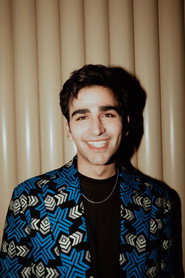

Gurfateh Pirzada
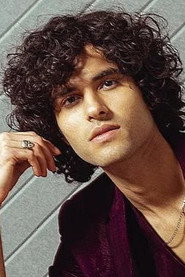
Neeraj Kumar Valmiki
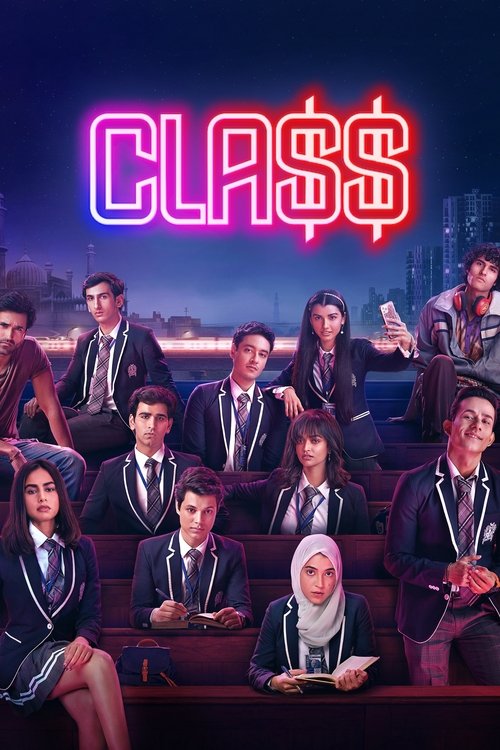
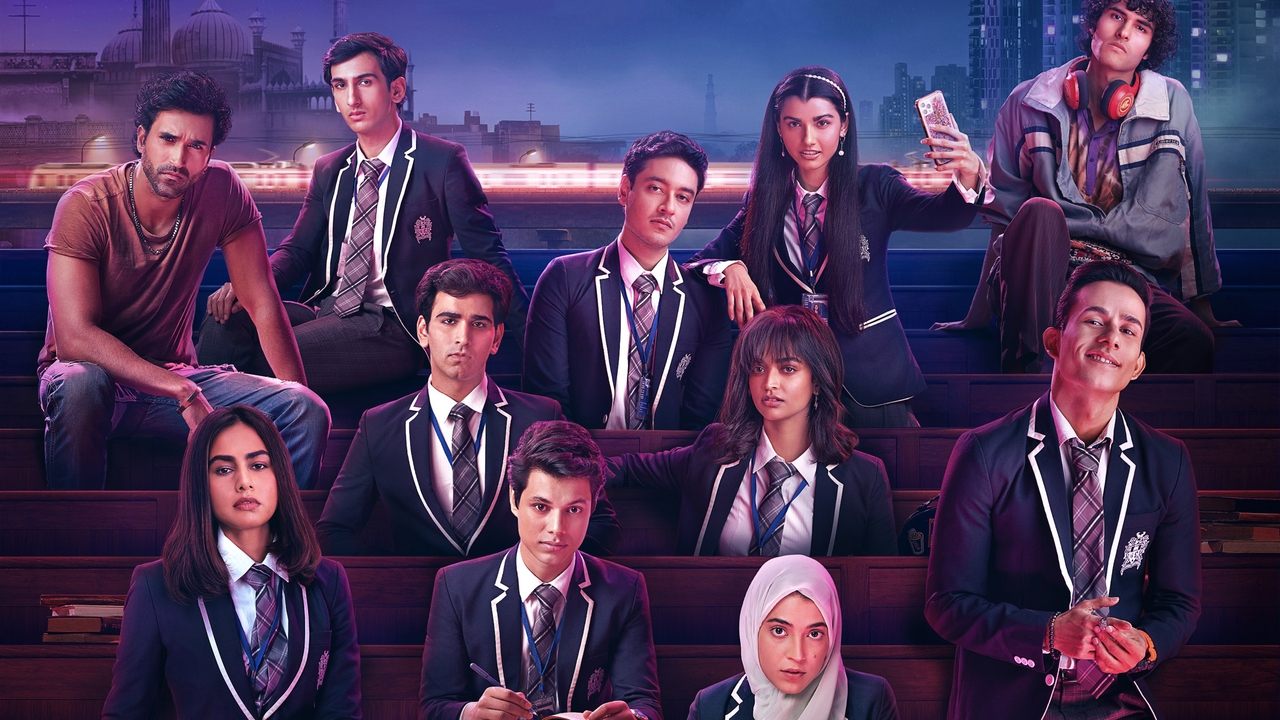
Three students from a poor neighborhood join an exclusive high school for Delhi elite where dark secrets and rumors ultimately lead to murder.
I keep thinking about the way the camera lingers on the school’s iron gates in Class. They’re ornate, almost delicate in their design, but there’s no mistaking their purpose: to keep people out. Or, in the case of three new students from a poor neighborhood, to remind them they’re only allowed inside on borrowed terms.
This is the central tension of the series—a remake of the Spanish hit Elite, transplanted to Delhi’s high-society prep schools, where wealth isn’t just a backdrop but a character in its own right. And yet, Class doesn’t feel like a carbon copy. It’s messier, angrier, and more willing to let its characters drown in their own contradictions.
Ashim Ahluwalia, one of the series’ directors, has built a career on dissecting India’s underbelly—whether it’s the drug trade in Miss Lovely or the surreal bureaucracy of Events in a Cloud Chamber. Here, he turns his gaze upward, to the rarefied air of Delhi’s elite, but the result isn’t a simple morality tale. The rich kids aren’t just villains, and the poor kids aren’t just victims.
They’re all trapped in the same system, one that rewards cruelty as often as it does ambition. The series’ first season (there are two, totaling eight episodes) unfolds like a slow-burn thriller, but its real strength lies in how it refuses to let anyone off the hook. Even the audience.
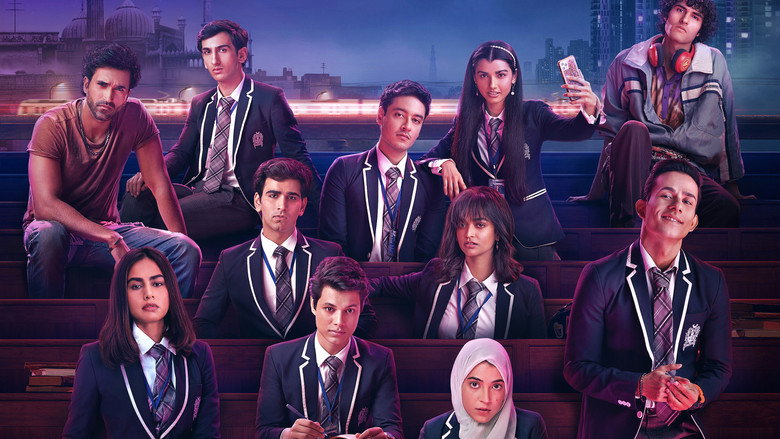
The premise is familiar: three working-class students—Dheeraj, Saba, and Balli—earn scholarships to the prestigious Hampton International School, where they’re immediately marked as outsiders. The rich kids sneer at their accents, their clothes, their lack of cultural capital. But Class isn’t interested in easy class-warfare tropes.
Instead, it forces its characters into morally ambiguous spaces, where survival often means becoming complicit in the very system that oppresses them. Dheeraj, played with a quiet intensity by Gurfateh Pirzada, is the most compelling of the trio. He’s not a saint—he’s calculating, willing to play the game if it means securing his future.
"A raw and intense drama that dives deep into class struggles, though its pacing and narrative depth leave some wanting more."
Viewers appreciate the series for its bold exploration of class divides and social tensions, with standout performances that bring authenticity to the story. latestnetflix.com's take is that however, some find the pacing uneven and the plot occasionally lacking in depth, making it feel drawn out at times.
Netflix’s Class (2023), the Indian teen drama-thriller from directors Ashim Ahluwalia and Kabir Mehta, didn’t just drop quietly—it arrived with a cast already buzzing about its dystopian edge and the chemistry that made it a sleeper hit. Months after its release, the series is still generating chatter, from behind-the-scenes reunions to candid conversations about its gritty take on privilege and violence. latestnetflix.com's read is that here’s what the evidence reveals about the show’s making and its stars’ post-release glow.
The Class ensemble—led by Gurfateh Pirzada, Anjali Sivaraman, and Ayesha Kanga—hasn’t let the cameras stop rolling. In a YouTube reunion , Pirzada, Kanga, Chayan Chopra, and Chintan Rachchh gathered to reminisce, proving the cast’s bond extended beyond the set. The video, titled Netflix’s ‘Class’ Reunion, captures their easy camaraderie, with inside jokes and playful jabs suggesting the shoot was as intense as the show’s themes.
But the cast didn’t just reunite for nostalgia. In a separate interview , they dove into the series’ darker themes, describing Class as a "teenage dystopia" where class divides and moral ambiguity collide. Pirzada, in particular, hinted at the show’s unflinching portrayal of youth—one that didn’t shy away from violence or theft, as teased in a Netflix promo where his character is caught mid-heist . The cast’s insights paint Class as a deliberate departure from sanitized teen dramas, leaning into the chaos of adolescence in a stratified society.
Creators Ashim Ahluwalia and Kabir Mehta didn’t just direct—they defended Class’s bold choices in a roundtable discussion . Alongside producer Gul Dharmani, they framed the series as a response to the glossy, aspirational teen shows dominating streaming. Ahluwalia, known for his experimental filmmaking, and Mehta, a relative newcomer, pushed for a raw, almost documentary-like approach to the material.
The directors’ comments suggest Class was designed to unsettle. While the evidence doesn’t detail specific creative clashes, their emphasis on "realism" implies a deliberate rejection of melodrama. The series’ genre tags—crime, drama, thriller  —align with this vision, positioning it as a cousin to Elite (referenced in a review ) but with a distinctly Indian socio-economic lens.
Class didn’t just resonate with critics—it topped Netflix’s charts in India, a feat the creators celebrated in their discussion . The show’s success sparked fan theories, particularly around its ambiguous ending and morally gray characters. A review compared it to Elite, noting how both series weaponize wealth disparities to fuel conflict, but Class’s Indian setting added layers of caste and privilege rarely explored in teen dramas.
Yet not all reactions were glowing. A scathing review dismissed the series as tonally inconsistent, though its low "0.001" rating suggests it was an outlier. The majority of buzz, however, leaned into the show’s audacity—whether it was Pirzada’s character’s kleptomania or the ensemble’s chemistry in promos .
A SensCritique listing for Weak Hero Class 2: Soundtrack (dated 2025) has fueled speculation about a second season. However, with no official confirmation from Netflix or the creators, this remains unconfirmed. The original Class (2023) hasn’t been renewed, and the evidence doesn’t include statements about future plans. For now, fans are left with the show’s haunting OST and the cast’s reunion as the closest thing to a sequel.
Entertainment rumors and trivia aggregated from public reporting. Treat speculation as unverified unless a cited source confirms it.
Series
Related series ranked by rating and popularity.