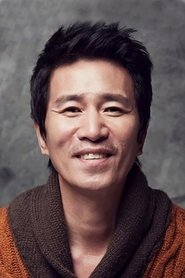
Go Kyung-pyo
Song Ki-baek

A well-respected announcer suddenly loses his ability to self-censor on air, catching the attention of a TV writer who invites him on her variety show.
Official
I’ve seen this trick before—the “suddenly honest” protagonist who exposes the hypocrisies of the world around them. It’s a rom-com staple, a shorthand for conflict, a way to force characters into awkward, revealing situations. But what Frankly Speaking does with its premise is more interesting than I expected.
It doesn’t just use honesty as a plot device; it treats it like a virus, something that spreads, mutates, and forces everyone in its path to confront the gap between what they say and what they mean. That’s a richer idea than the show’s uneven execution sometimes deserves.
The first episode is a masterclass in how to launch a premise. Song Ki-baek (Go Kyung-pyo), a polished TV announcer, gets electrocuted during an on-air confrontation and emerges with a condition that strips away his ability to self-censor. The moment he snaps—live, on camera, eviscerating a pop idol’s carefully constructed image with a few brutal, unscripted sentences—is electric.
It’s the kind of scene that makes you sit up straighter, the kind that promises chaos. And for a while, the show delivers.

What follows is a collision of two worlds: Ki-baek’s rigid, image-obsessed broadcasting career and the freewheeling, ratings-driven chaos of variety TV, where On Woo-joo (Kang Han-na), a struggling writer, sees him as her show’s salvation. The early episodes thrive on this tension. Ki-baek’s unfiltered honesty becomes a kind of superpower in the world of scripted reality, where his brutal takes go viral and his awkwardness becomes entertainment gold.
There’s a meta-commentary here about the performative nature of Korean variety shows, where even “real” moments are carefully curated. Ki-baek’s condition forces everyone around him to drop the act, at least temporarily, and the results are often hilarious.
But here’s the thing about honesty as a narrative device: it’s hard to sustain. The truth, after all, is finite. Once Ki-baek has exposed the hypocrisy of his colleagues, the shallowness of celebrity culture, and the absurdity of his own career, what’s left?
The show struggles to answer that question. The middle episodes feel like they’re spinning their wheels, introducing subplots (a love triangle, a rival variety show, a mysterious CEO) that dilute the central premise without deepening it. The writing becomes patchy, the tone wobbles between farce and sincerity, and the romance between Ki-baek and Woo-joo, which should be the emotional core, often feels like an afterthought.
That’s not to say there aren’t moments that land. Go Kyung-pyo is a revelation here. He’s got this ability to make Ki-baek’s honesty feel both compulsive and vulnerable, like a man who can’t help but speak his mind even as he’s horrified by the consequences.
There’s a scene in the third episode where he’s forced to participate in a dating show, and his unfiltered reactions to the other contestants—ranging from blunt to cruel to unexpectedly sweet—are a masterclass in comedic timing. Kang Han-na, too, brings a grounded energy to Woo-joo, a character who could easily have been a one-note “ambitious career woman.” She’s sharp, resilient, and just cynical enough to make her eventual softening feel earned.

The problem isn’t the performances—it’s that the script sometimes seems unsure what to do with them. The love triangle with Kim Jung-heon (Joo Jong-hyuk), Woo-joo’s ex-boyfriend, is a prime example. There’s more palpable chemistry between Woo-joo and Jung-heon than there is between her and Ki-baek for much of the series, which makes the romantic payoff feel oddly unearned.
It’s as if the show is more interested in the idea of these two characters together than in actually building a relationship between them. And the subplots—particularly the one involving a rival variety show—feel like they belong in a different series entirely.
What saves Frankly Speaking from being a missed opportunity is its willingness to lean into the messiness of its premise. This isn’t a show that tidies everything up neatly. Ki-baek’s condition isn’t cured by love or growth; it’s something he learns to live with, a part of him that both complicates and enriches his life.
The finale, which could have easily veered into saccharine territory, instead opts for a quieter, more ambiguous resolution. Ki-baek doesn’t become a different person; he just becomes more comfortable with who he is. And Woo-joo, for all her ambition, learns that sometimes the chaos is worth embracing.
That’s a message that resonates, especially in a genre that often prioritizes neat resolutions over messy truths. Frankly Speaking isn’t a perfect show—it’s too uneven, too scattered at times—but it’s a show that understands something fundamental about honesty: it’s not always pretty, and it’s rarely convenient. Sometimes it’s funny. Sometimes it’s painful.
And sometimes, if you’re lucky, it’s both.
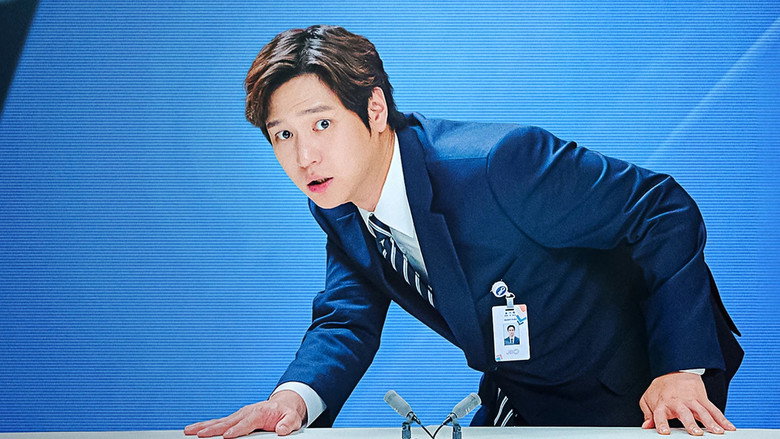
I’m still thinking about that first episode, the way Ki-baek’s face changes as he realizes he can’t stop the words from coming. It’s a moment that captures everything the show does well: the humor, the horror, the sheer unpredictability of a life without filters. The rest of the series doesn’t always live up to that promise, but when it does, it’s a reminder of why we watch rom-coms in the first place—not for the perfect endings, but for the messy, human moments along the way.
JTBC’s Frankly Speaking (2024) arrived like a breath of fresh air—or perhaps a hurricane of blunt honesty—when it premiered in May. The series, starring Go Kyung-pyo and Kang Han-na, promised a rom-com where the male lead’s inability to lie would spiral into chaos. latestnetflix.com's take is that Based on the evidence, it delivered exactly that: a mix of humor, heart, and a surprisingly warm ending that left viewers hooked.But what’s the story behind the scenes? Here’s what we know (and what remains unconfirmed).
Go Kyung-pyo was the obvious choice to play the lead, On Woo-joo, a man cursed with an inability to filter his thoughts. His past roles in comedies like Reply 1988 and Hospital Playlist proved he could balance humor and heart, and early reviews suggest he nailed the part. "Go Kyung Pyo is a great casting for the role and damn he is humorous with his expressions and acting," gushed one MyDramaList user, who called the drama a "ball of chaos" from the start. Kang Han-na, playing the sharp-tongued entertainment reporter Rim Ji-yeon, brought her own brand of wit to the screen, creating a dynamic that fans quickly latched onto.
The supporting cast—including Joo Jong-hyuk, Lee Bom-so-ri, and veteran actors like Shin Jung-keun—rounded out the ensemble, though details about their behind-the-scenes chemistry remain scarce. One thing’s clear: the cast’s comedic timing was a major selling point. The series leaned into its rom-com roots, blending workplace antics with a slow-burn romance, all while poking fun at the entertainment industry.
Little is publicly known about director Jang Ji-yeon’s creative process for Frankly Speaking, but the final product speaks for itself. The series aired on JTBC every Wednesday and Thursday at 8:50 PM KST, a prime slot that ensured strong viewership. Its 12-episode run wrapped in early June, leaving fans satisfied with its "surprisingly warm ending". The show’s tone—equal parts chaotic and heartfelt—suggests Jang aimed for a balance between absurdity and sincerity, a tricky feat in the rom-com genre.
One unconfirmed rumor (take it with a grain of salt) is that the script underwent last-minute tweaks to heighten the comedic beats, particularly in Woo-joo’s most unfiltered moments. If true, it paid off: early reviews praised the show’s ability to keep audiences laughing while still delivering emotional payoff.
Frankly Speaking didn’t just rely on its JTBC broadcast. Netflix picked up the series for streaming in select regions, broadening its reach. This move likely helped the show gain traction internationally, especially among K-drama fans hungry for fresh rom-coms. Social media buzz suggests the chemistry between Go and Kang was a major draw, with viewers shipping the leads hard despite (or because of) their bickering dynamic.
Critics and fans alike highlighted the show’s ability to subvert expectations. While the premise—an honest man wreaking havoc in the entertainment world—could’ve easily veered into slapstick, Frankly Speaking managed to keep its tone light yet grounded. The ending, in particular, was a standout, with many calling it "surprisingly warm" and a perfect cap to the chaos.
For all its success, Frankly Speaking keeps some secrets. There’s no word on whether the cast improvised any of Woo-joo’s most brutal one-liners, or if the script’s humor was entirely planned. Rumors of behind-the-scenes pranks or bloopers haven’t surfaced, though given the cast’s comedic chops, it’s easy to imagine a few laughs between takes.
Another mystery? Whether the show will get a second season. With its tidy ending, it’s possible Frankly Speaking was always meant to be a one-and-done rom-com. But if fan demand is any indication, JTBC might reconsider—especially if Go and Kang are game for round two.
Entertainment rumors and trivia aggregated from public reporting. Treat speculation as unverified unless a cited source confirms it.
More titles in the same genres and with the same cast.